Amazon Returns Under Fire: Inside the Refund Lawsuits
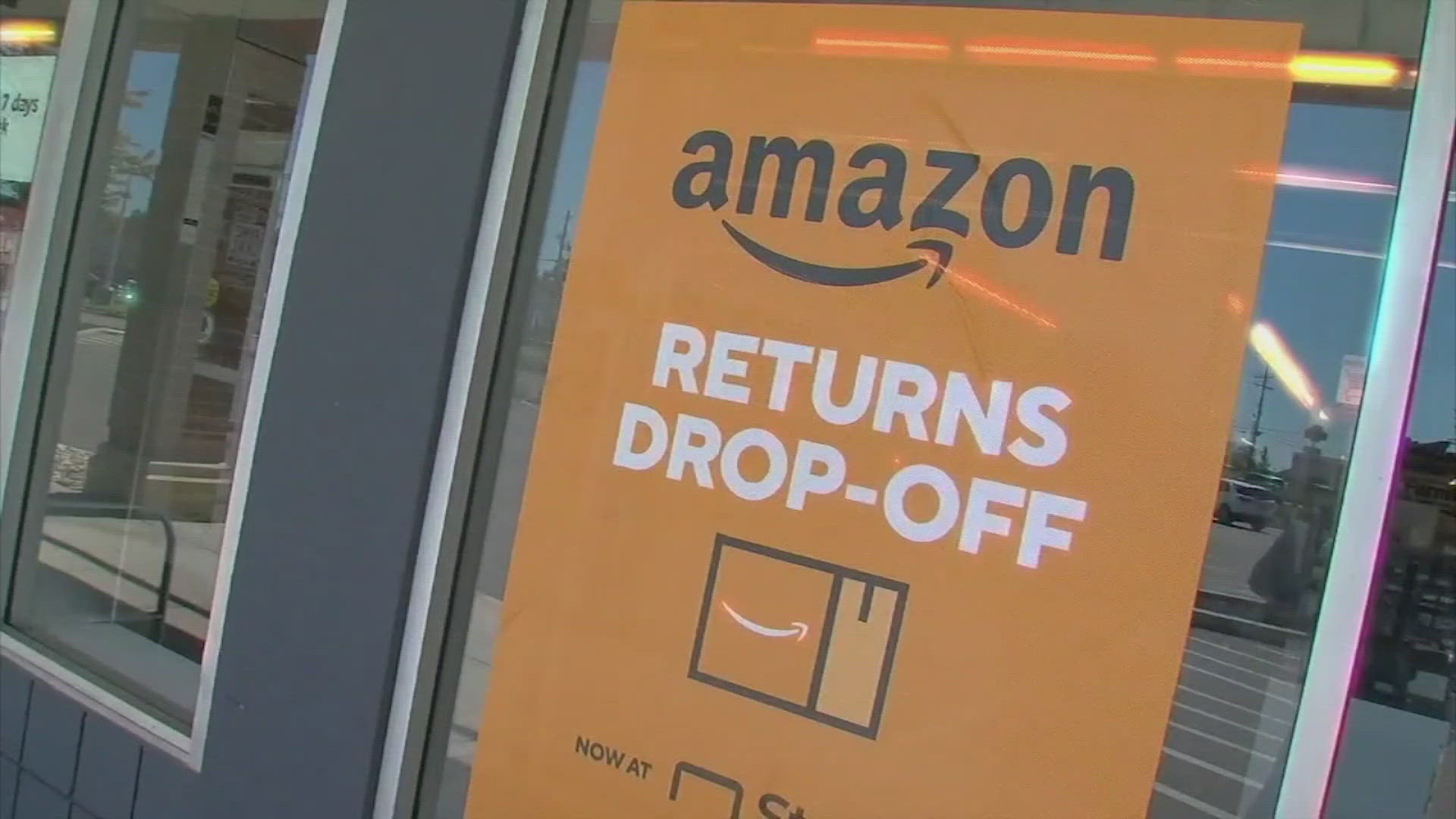
The sharp rise in searches for Amazon return and refund lawsuit claims points to something larger than idle curiosity about one courtroom. It captures more than a decade of accumulated disputes over money that travels backward through the world’s biggest online store: refunds that never arrived, returns rejected after the parcel was scanned, accounts frozen without explanation, and third-party sellers who argue the ledger almost never tilts in their favor. Behind the trending phrase sits a loose patchwork of federal enforcement, private class actions, arbitration demands and state consumer complaints, each pressing on a different link in the same chain.
Why the returns machinery keeps landing in court
The economics explain the litigation. Returns are one of the few places where a retailer hands cash back after the sale is closed, which makes them expensive, fraud-prone and politically sensitive. Industry tracking by the National Retail Federation and Appriss Retail put total United States merchandise returns at roughly $890 billion in 2024, equal to about 17 percent of sales, with an estimated $103 billion of that volume deemed fraudulent. Amazon handles a disproportionate share of American e-commerce, so even a small error rate inside its returns pipeline translates into millions of individual transactions and a steady supply of grievances.
Those grievances cluster around recognizable themes. Shoppers describe refunds issued to gift card balances rather than the original card, refunds delayed for weeks after a carrier scan, or returns marked as never received. Some report account closures after what Amazon’s systems flagged as unusual return activity, a practice the company defends as fraud control. Others complain about restocking deductions, about items sent back to a third-party seller who disputes the condition, or about the A-to-z Guarantee process, which is the internal arbitration window shoppers must exhaust before outside remedies become realistic.
The federal case that reset the terms of debate
No single matter has shaped the conversation more than the Federal Trade Commission’s action against Amazon over Prime enrollment and cancellation. Filed in June 2023 in the Western District of Washington, the complaint alleged that the company signed up millions of consumers for Prime without clear consent and then subjected them to a labyrinthine cancellation process, the kind of interface design regulators call dark patterns. The case went to trial in Seattle in February 2025, and in September 2025 the parties reached a settlement valued at $2.5 billion: a $1 billion civil penalty plus $1.5 billion earmarked for consumer refunds. The FTC described the penalty as the largest it had ever obtained.
Although the case centered on subscriptions rather than product returns, its reasoning matters for every refund dispute that follows. The core allegation was not that Amazon charged the wrong price, but that the company controlled the interface through which money moved back to customers and made that interface costly to navigate. Consumer attorneys have since leaned on the same logic when arguing that refund systems should be judged by how easy they are to use, not merely by whether a policy exists on paper.
What shoppers tend to argue
Filings and complaint portals follow a handful of recurring theories. One holds that a refund promised but not delivered is a breach of the seller’s own terms. Another argues that when Amazon issues credit to a stored balance instead of the original payment method, the company has effectively converted a refund into captive store credit. A third focuses on account closures and withheld balances, contending that customers are owed an explanation and a route to appeal. For Amazon, federal enforcement and private litigation amount to a dual threat that arrives from regulators and plaintiffs at the same time.
The seller side of the refund ledger
Merchants who sell through Amazon’s marketplace tell a parallel story from the other direction. Under the A-to-z Guarantee, Amazon can refund a buyer directly and then recover the amount from the seller, sometimes without the merchandise coming back. Sellers have long complained that reimbursements arrive late, that inventory lost or damaged in fulfillment centers is written off as their loss, and that account suspensions can strand funds for months. Collective actions on behalf of retailers have been assembled in the United Kingdom and the European Union, alleging that Amazon’s overlapping roles as marketplace operator, competitor and payment processor distort the terms on which returns and refunds are settled.
Amazon’s answer is consistent across these fronts: its policies are disclosed, its fraud controls protect honest buyers and sellers alike, and the vast majority of returns are processed without friction. The company has also adjusted the system in visible ways. It introduced a frequently returned item badge in 2023 to flag products with unusually high return rates, expanded returnless refunds for low-value goods where shipping costs exceed the item’s worth, and tightened monitoring of accounts with extreme return patterns. Reports during 2025 also described small fees attached to certain in-person drop-offs at partner locations, a nudge designed to steer customers toward staffed counters and lockers.
What consumers can do when a refund stalls
The practical playbook is unglamorous but effective. Keep the carrier scan receipt, screenshot the return authorization, and log every chat transcript with a reference number. Escalate through the A-to-z Guarantee within its stated window rather than after it closes. If a card payment was involved, a chargeback dispute through the issuer often resolves what support queues cannot, though it can complicate the Amazon account. State attorneys general accept consumer complaints and occasionally bundle them into broader inquiries, and small claims courts remain an option for individual losses that exceed the hassle threshold.
What to watch next
The next phase will likely be shaped less by headline settlements than by quiet procedural rulings. Courts are still working through how arbitration clauses apply to refund disputes brought as class actions, and how much of the FTC settlement’s compliance machinery creates a template for monitoring other parts of Amazon’s interface design. Platform-wide rule changes always attract this kind of scrutiny, much as Apple’s recent launches draw immediate examination of terms, pricing and control over the customer relationship. For shoppers, the takeaway is narrower but useful: the return window is a contract, and the paperwork generated inside it is the evidence that decides who wins when the contract is tested.
Source Reference (Google Trends): Latest News Updates on amazon return refund lawsuit claims
Frequently Asked Questions (FAQ)
What are the Amazon return and refund lawsuit claims about?
They cover several distinct disputes: federal allegations over Prime enrollment and cancellation, private claims from shoppers about denied, delayed or misdirected refunds, and seller complaints about A-to-z Guarantee refunds being deducted from their proceeds. No single case covers all of them.
How much did Amazon pay to settle the FTC case?
The September 2025 settlement was valued at $2.5 billion, consisting of a $1 billion civil penalty and $1.5 billion allocated for consumer refunds. The FTC called the penalty the largest in its history.
Does the Prime settlement mean Amazon must change its return policy?
The settlement addressed subscription sign-up and cancellation practices rather than product returns specifically. Its significance for returns lies in the compliance and interface-design standards it establishes, which consumer advocates argue apply to refund processes as well.
How big is the returns problem in United States retail?
Industry research from the National Retail Federation and Appriss Retail estimated total returns of about $890 billion in 2024, roughly 17 percent of sales, with around $103 billion attributed to fraudulent returns.
What is the fastest way to resolve a stuck Amazon refund?
File an A-to-z Guarantee claim inside the stated window, keep carrier and chat documentation, and escalate to a card issuer chargeback if the marketplace process fails. State attorneys general also accept consumer complaints.
{“@context”:”https://schema.org”,”@type”:”FAQPage”,”mainEntity”:[{“@type”:”Question”,”name”:”What are the Amazon return and refund lawsuit claims about?”,”acceptedAnswer”:{“@type”:”Answer”,”text”:”They cover several distinct disputes: federal allegations over Prime enrollment and cancellation, private claims from shoppers about denied, delayed or misdirected refunds, and seller complaints about A-to-z Guarantee refunds being deducted from their proceeds. No single case covers all of them.”}},{“@type”:”Question”,”name”:”How much did Amazon pay to settle the FTC case?”,”acceptedAnswer”:{“@type”:”Answer”,”text”:”The September 2025 settlement was valued at $2.5 billion, consisting of a $1 billion civil penalty and $1.5 billion allocated for consumer refunds. The FTC called the penalty the largest in its history.”}},{“@type”:”Question”,”name”:”Does the Prime settlement mean Amazon must change its return policy?”,”acceptedAnswer”:{“@type”:”Answer”,”text”:”The settlement addressed subscription sign-up and cancellation practices rather than product returns specifically. Its significance for returns lies in the compliance and interface-design standards it establishes, which consumer advocates argue apply to refund processes as well.”}},{“@type”:”Question”,”name”:”How big is the returns problem in United States retail?”,”acceptedAnswer”:{“@type”:”Answer”,”text”:”Industry research from the National Retail Federation and Appriss Retail estimated total returns of about $890 billion in 2024, roughly 17 percent of sales, with around $103 billion attributed to fraudulent returns.”}},{“@type”:”Question”,”name”:”What is the fastest way to resolve a stuck Amazon refund?”,”acceptedAnswer”:{“@type”:”Answer”,”text”:”File an A-to-z Guarantee claim inside the stated window, keep carrier and chat documentation, and escalate to a card issuer chargeback if the marketplace process fails. State attorneys general also accept consumer complaints.”}}]}