US Loses Measles Elimination Status as Cases Hit 5,412
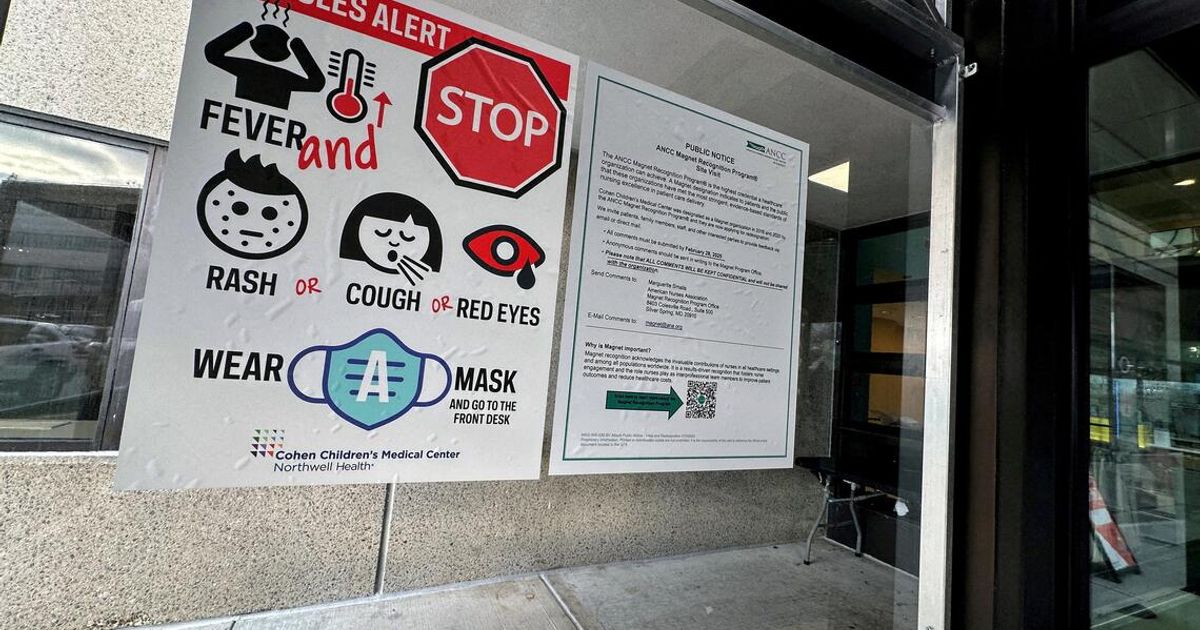
The United States has forfeited its decades-long measles elimination status, a designation the country had held since 2000, after a sustained outbreak in Utah allowed continuous transmission of the virus for more than twelve months. The Wall Street Journal reported the development on November 13, citing individuals familiar with the matter, following a formal review by the Pan American Health Organization (PAHO), the regional body responsible for verifying elimination credentials across the Americas.
The loss of status, while technically a label, represents a significant national failure to contain one of the most contagious pathogens known to medicine. It is expected to trigger travel advisories and vaccine warnings from other nations, and it underscores a dramatic reversal for a country that once served as a global model for measles control.
The Utah Outbreak and the Twelve-Month Threshold
PAHO’s criteria for elimination are straightforward: a country must demonstrate that no single strain of the measles virus has circulated continuously within a community for a full year. Utah’s outbreak, which began in June 2025 and has since infected more than 700 people, met that grim benchmark. Local public health experts acknowledge that the true case count is likely higher than officially recorded, as some infections have gone unreported or undiagnosed.
The state’s kindergarten vaccination rate for the 2025-2026 school year stood at just 87.2% for the MMR vaccine, according to CDC data. That figure falls well below the roughly 95% threshold needed to maintain herd immunity against measles, a virus so transmissible that it can infect up to 90% of unvaccinated individuals exposed to it.
While Utah’s outbreak triggered the status loss, Pennsylvania has recorded the largest single outbreak of 2026, logging more than 1,500 cases since April and reporting its seventh measles-related death on November 13. Nationwide, nine people have died from measles this year, triple the toll of 2025. The CDC has officially recognized only six of those deaths, following a dispute with Pennsylvania officials over how the fatalities were classified.
A Record Year for Infections
The CDC has confirmed 5,412 measles cases in 2026, more than double the total recorded in 2025 and the highest annual count since 1991. The resurgence marks a stark departure from the nearly two decades of success that followed the 2000 elimination declaration, which was achieved through aggressive public communication campaigns and widespread vaccination uptake.
Vaccination rates began declining during the COVID-19 pandemic, as distrust in federal health guidance deepened across swaths of the population. That erosion created fertile ground for the virus to reestablish itself, particularly in communities with lower inoculation coverage. The MMR vaccine remains highly effective, offering 97% protection against measles after two doses, according to the CDC. Yet even minor drops in community uptake can have outsized consequences for a pathogen as contagious as measles.
The broader climate of institutional distrust has affected other areas of public health as well. A recent Boston Globe opinion piece on school closures highlighted how enrollment data alone often fails to capture the full picture of community needs, a parallel to how vaccination statistics can obscure deeper issues of access and confidence.
Leadership Turmoil at the CDC
The federal response has been complicated by significant upheaval at the Centers for Disease Control and Prevention. Under Health and Human Services Secretary Robert F. Kennedy Jr., the agency has experienced staff departures and leadership changes. Approximately one-third of career staff were forced out or chose to leave following cuts associated with Elon Musk’s so-called Department of Government Efficiency. The agency has simultaneously been stretched by responses to other outbreaks, including Ebola and cyclosporiasis.
In August, Erica Schwartz became the CDC’s first permanent director in nearly a year, assuming leadership of an agency still reeling from internal disruption. Kennedy, who previously led an anti-vaccine organization and has publicly stated that the MMR shot should be a “personal choice,” has overseen a broad reshaping of US inoculation policy alongside President Donald Trump. Earlier this year, Trump issued an executive order directing HHS to produce a report on splitting the MMR vaccine into separate components, a move that could make it more time-consuming for Americans to receive all three doses and would require complicated and expensive retooling for manufacturers Merck & Co. and GSK Plc.
The policy environment has drawn sharp criticism from public health experts who warn that undermining confidence in the combined MMR vaccine could further depress uptake. The loss of elimination status is likely to amplify those concerns, particularly as other countries weigh whether to issue travel advisories for the United States.
Canada’s Precedent and the Path Back
The United States is not alone in losing its elimination credential. Canada forfeited its status a year ago, and both nations now face the same arduous path to recovery. Regaining elimination status requires proving that continuous transmission has stopped and that surveillance systems to track the disease have been strengthened. That process can take years and demands sustained investment in public health infrastructure.
The stakes extend beyond national pride. Measles can cause severe complications, including encephalitis, pneumonia, and death. Flu-like symptoms and a full-body red rash are common, but the virus can also lead to long-term health problems, particularly in young children and immunocompromised individuals. The nine deaths recorded in the US this year underscore the real-world consequences of declining immunization rates.
For a country that once led the world in measles control, the loss of elimination status represents a sobering milestone. It reflects not only the erosion of vaccination coverage but also the broader challenges facing American public health institutions as they navigate political pressure, staffing shortages, and shifting public trust. The question now is whether the US can reverse course before the virus becomes even more firmly entrenched.
What Comes Next
PAHO and the CDC have not issued formal statements on the status change, and neither agency responded to requests for comment after normal business hours on November 13. The loss of elimination status is likely to prompt warnings about travel to the US and vaccine advisories from other nations, adding a new dimension to the country’s public health challenges.
For now, the focus shifts to whether federal and state authorities can mount an effective response. That will require not only boosting vaccination rates but also rebuilding trust in public health guidance, a task made harder by the polarizing rhetoric surrounding vaccine policy. As Canada’s experience shows, the road back to elimination status is neither quick nor guaranteed. The US now finds itself in the uncomfortable position of having to prove, once again, that it can control a disease it had long since conquered.
Source Reference (straitstimes.com): US loses measles elimination status as cases surge: WSJ
Frequently Asked Questions (FAQ)
What does it mean for the US to lose measles elimination status?
It means the US can no longer claim that measles has been eliminated within its borders. PAHO requires a country to show that no single strain of the virus has circulated continuously for 12 months. Utah's outbreak, which began in June 2025, met that threshold and triggered the status loss.
How many measles cases and deaths has the US recorded in 2026?
The CDC has confirmed 5,412 measles cases in 2026, the highest count since 1991. Nine people have died from measles-related causes this year, though the CDC has officially recognized only six of those deaths following a dispute with Pennsylvania officials.
Why did Utah's outbreak cause the US to lose its status?
PAHO evaluates whether a single strain of measles has circulated continuously in a community for 12 months. Utah's outbreak, which began in June 2025 and has infected more than 700 people, met that criterion, leading to the loss of elimination status.
What is the path back to elimination status for the US?
To regain elimination status, the US must prove that continuous transmission of the measles virus has stopped and that its surveillance systems to track the disease have been strengthened. Canada, which lost its status a year ago, faces the same requirements.