Bahrain GP at Sepang: Round 16 Live Coverage
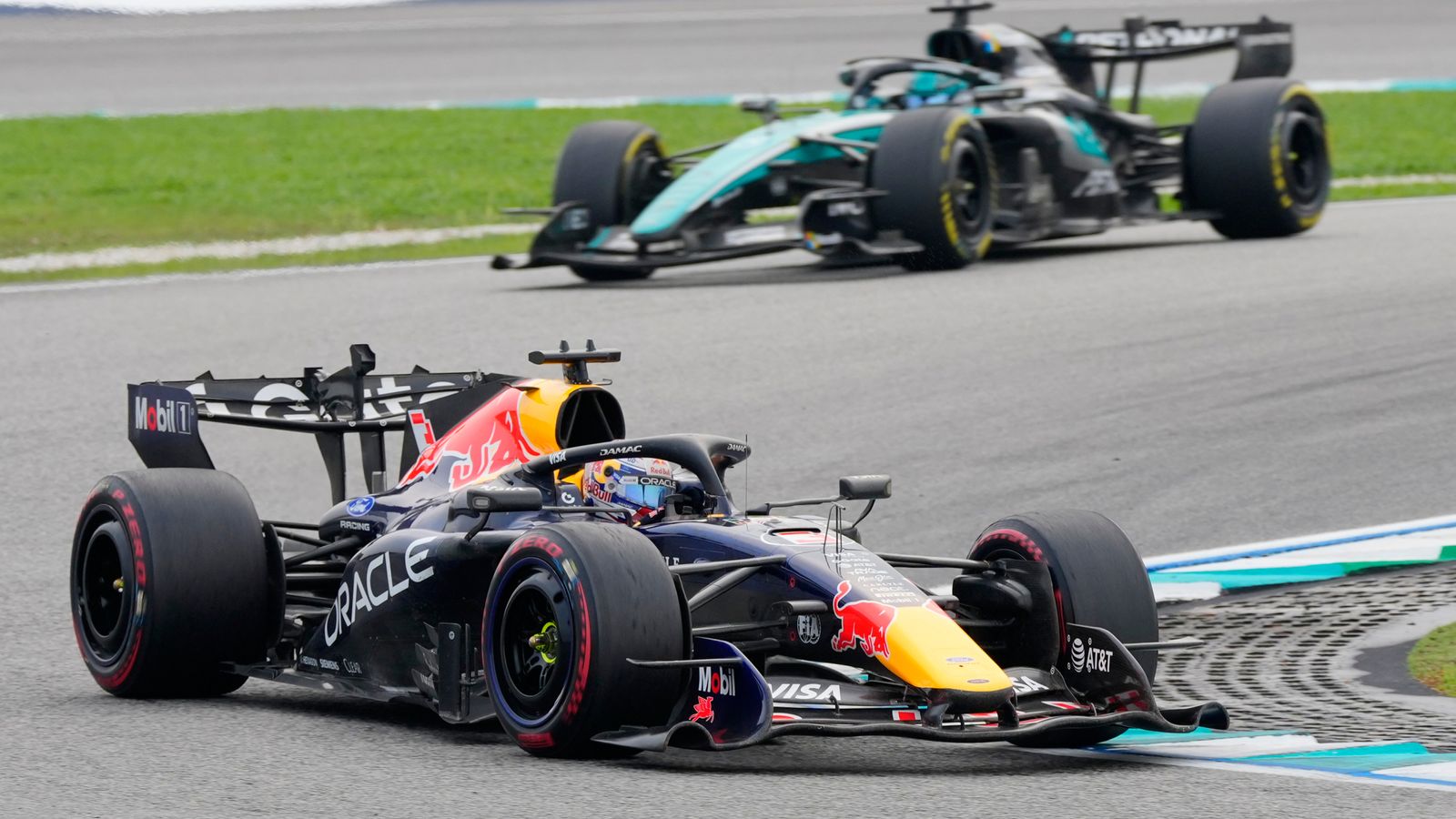
Sky Sports F1 and Main Event are delivering live coverage of the Bahrain Grand Prix from Sepang International Circuit in Malaysia, where the 16th round of the 2026 Formula 1 season is being settled. Staging a race named for Bahrain at a venue thousands of kilometres from Sakhir has given the championship’s closing stretch an unusual character, and it has returned one of Asia’s most respected racing facilities to the centre of the grand prix world.
Live updates, race results, video highlights and streaming are available across Sky Sports platforms, with the dedicated F1 channel and Main Event carrying the complete session schedule from the opening practice runs through to the chequered flag. Audiences following the action online were briefly met with a notice stating that the blog was ‘currently unavailable’ and advising them to try again later, a technical interruption that did not affect the television broadcast.
Sepang Returns to the Formula 1 Spotlight
Opened in 1999 as the purpose-built home of the Malaysian Grand Prix, Sepang International Circuit spent nearly two decades as a fixture on the calendar before the country’s race was dropped after the 2017 edition. The circuit remained active, hosting MotoGP rounds, endurance racing and manufacturer testing, while its operators pursued a return to the top tier of motorsport. That ambition has now been realised in unexpected fashion, with the Bahrain Grand Prix relocating to Malaysian soil.
The track itself measures 5.543 kilometres and comprises 15 corners, a configuration drawn up by the German designer Hermann Tilke. It is widely regarded as one of his most successful creations, largely because it rewards both raw straight-line speed and careful tyre management.
Two Long Straights and a Treacherous Opening Complex
The most distinctive feature comes immediately after the start, where a wide, sweeping right-hander feeds into a tightening hairpin. The width of the approach encourages drivers to fan out three or four abreast, and the braking zone at the apex has produced some of the most memorable opening-lap incidents in the sport’s recent history. From there, the lap unfolds through a series of medium and high-speed changes of direction before reaching the two long straights that define the circuit’s character.
The back straight stretches for close to a kilometre, and it is bracketed by heavy braking zones at both ends. That combination makes Sepang an overtaking venue in the truest sense: a car with superior traction out of the final corner can attack into the first turn, while a machine with efficient aerodynamics can defend along the straight itself. The final corner, a long, banked right-hander, is taken at considerable speed and determines momentum onto the main straight.
Heat, Humidity and the Threat of Rain
Conditions in Malaysia present a challenge of their own. Ambient temperatures routinely climb past 30 degrees Celsius, humidity levels approach 80 percent, and track surfaces can exceed 50 degrees. Those figures place enormous stress on tyres and on the cooling systems of the 2026 power units, and they demand a physically punishing effort from drivers who must manage hydration and concentration across a race distance.
Tropical weather adds volatility. Afternoon thunderstorms are common, and a downpour can transform grip levels within a matter of minutes. Teams are therefore obliged to plan for multiple scenarios, keeping intermediate and full wet tyres ready while weighing the risk of leaving a car out on worn rubber as dark clouds gather.
Where Round 16 Sits in the 2026 Season
As the 16th of 24 scheduled rounds, this weekend occupies a pivotal position in the campaign. With eight races still to run after the chequered flag falls at Sepang, the mathematics of the championship remain open, yet the margin for error narrows with every passing event. Points scored here carry additional weight because the following rounds include several venues where overtaking is far more difficult.
Teams arrive in Malaysia balancing two competing priorities: extracting immediate performance from a package they know well, and diverting resources towards development work for the following season. That tension is a familiar feature of the autumn months, and it often explains why the competitive order shifts in the final third of a year.
The 2026 Regulations in Focus
This season is the first to be run under a substantially revised technical rulebook, and Sepang offers an instructive test of how those changes perform in extreme conditions.
A Near-Even Split Between Combustion and Electric Power
The current power units produce roughly equal output from their internal combustion engine and their electrical components, with the turbocharged V6 working alongside a significantly more powerful battery system. The complex MGU-H unit that featured in the previous generation of engines has been removed, and the fuel used is entirely sustainable. The result is a machine that depends far more heavily on energy deployment strategy, and circuits with long straights, such as Sepang, place that management under particular scrutiny.
Active Aerodynamics and Lighter Chassis
Aerodynamic rules have also been overhauled. Cars now run with movable front and rear surfaces that shift between a low-drag configuration for the straights and a high-downforce setting for cornering, and drivers can override the system manually in certain circumstances. Chassis dimensions have been trimmed, weight has been reduced, and overall downforce levels are lower than in previous years. The intention is to produce closer racing and to reduce the turbulence that has historically made following another car difficult. Whether that objective has been met is a question Sepang’s fast corners will help answer.
Following the Action Across Sky Sports
Coverage is spread across Sky Sports F1 and Main Event, with practice, qualifying and the race itself each receiving dedicated broadcast slots. Viewers who regularly structure their weekends around televised sport will recognise the routine, much as followers of international football plan their viewing around a matchday stream and TV guide before kick-off. Streaming, on-demand highlights and in-race analysis are all part of the package.
Digital audiences can also follow lap-by-lap updates, timing screens and video clips through the broadcaster’s online platforms, which is where the temporary outage notice appeared during the early running.
A Note on the Live Blog Interruption
Visitors attempting to load the running blog at one stage encountered a message explaining that the page was not available and asking them to retry shortly. Such interruptions are not uncommon during high-traffic live events, when demand for real-time data spikes ahead of a session. The underlying television broadcast continued without disruption, and the written feed was expected to resume once the technical issue had been resolved.
What Comes Next
Once the Bahrain Grand Prix at Sepang is complete, attention turns to the remaining rounds of the 2026 campaign and the developing battle for both the drivers’ and constructors’ honours. For Sepang, the weekend represents something more than a one-off appearance: it is an audition. A well-received event, run in front of a healthy crowd and free of organisational trouble, would strengthen the case for Malaysia’s permanent return to a calendar that continues to expand into new markets.
For now, the focus stays on the track, where the combination of punishing heat, unpredictable weather and two enormous straights is likely to produce the kind of unpredictable racing that made this circuit a favourite among drivers during its first spell on the schedule.
Source Reference (skysports.com): F1 Bahrain GP in Malaysia LIVE: Race updates, results, stream, highlights from 16th round of 2026 Formula 1 season at Sepang
Frequently Asked Questions (FAQ)
Where is the Bahrain Grand Prix being held during the 2026 season?
The race is being staged at Sepang International Circuit in Malaysia rather than at the traditional venue in Sakhir, Bahrain.
How can viewers watch the Bahrain Grand Prix at Sepang?
Live coverage, including practice, qualifying and the race, is being shown on Sky Sports F1 and Main Event, with streaming and highlights available through the broadcaster's online platforms.
Which round of the 2026 Formula 1 season is this?
It is the 16th round of a 24-race calendar, leaving eight events still to be contested after the chequered flag falls at Sepang.
Why is Sepang International Circuit considered demanding?
The 5.543 kilometre layout has 15 corners, two long straights and heavy braking zones, and it is raced in temperatures above 30 degrees Celsius with humidity near 80 percent and a constant risk of tropical storms.
Why was the live blog temporarily unavailable?
A notice advised readers that the blog was not available and asked them to try again later, a technical issue that affected the written feed only and not the television broadcast.
{“@context”:”https://schema.org”,”@type”:”FAQPage”,”mainEntity”:[{“@type”:”Question”,”name”:”Where is the Bahrain Grand Prix being held during the 2026 season?”,”acceptedAnswer”:{“@type”:”Answer”,”text”:”The race is being staged at Sepang International Circuit in Malaysia rather than at the traditional venue in Sakhir, Bahrain.”}},{“@type”:”Question”,”name”:”How can viewers watch the Bahrain Grand Prix at Sepang?”,”acceptedAnswer”:{“@type”:”Answer”,”text”:”Live coverage, including practice, qualifying and the race, is being shown on Sky Sports F1 and Main Event, with streaming and highlights available through the broadcaster’s online platforms.”}},{“@type”:”Question”,”name”:”Which round of the 2026 Formula 1 season is this?”,”acceptedAnswer”:{“@type”:”Answer”,”text”:”It is the 16th round of a 24-race calendar, leaving eight events still to be contested after the chequered flag falls at Sepang.”}},{“@type”:”Question”,”name”:”Why is Sepang International Circuit considered demanding?”,”acceptedAnswer”:{“@type”:”Answer”,”text”:”The 5.543 kilometre layout has 15 corners, two long straights and heavy braking zones, and it is raced in temperatures above 30 degrees Celsius with humidity near 80 percent and a constant risk of tropical storms.”}},{“@type”:”Question”,”name”:”Why was the live blog temporarily unavailable?”,”acceptedAnswer”:{“@type”:”Answer”,”text”:”A notice advised readers that the blog was not available and asked them to try again later, a technical issue that affected the written feed only and not the television broadcast.”}}]}