MrBeast Surprised by Uzbek Fans on First Central Asia Trip
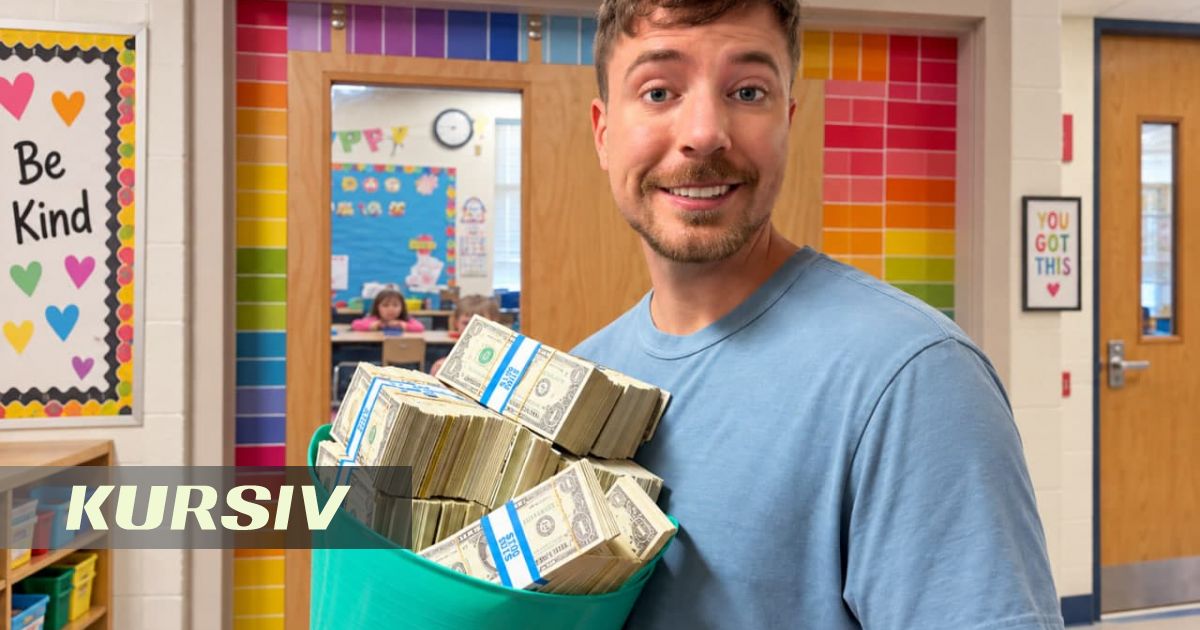
Jimmy Donaldson has spent more than a decade engineering surprises for other people: private islands, million-dollar giveaways, competition formats staged at industrial scale. On 9 October, Uzbekistan handed him one back. The creator known worldwide as MrBeast arrived in Tashkent for his first trip to Central Asia and promptly admitted that he had badly underestimated how many people in the country already watch him.
In Instagram Stories shared during the visit, Donaldson posted footage of crowds gathered in the Uzbek capital and spoke directly about the size of his audience there. “I didn’t know how many people in Uzbekistan watch our videos,” he told his 92 million Instagram followers, according to reporting by Kursiv Uzbekistan. The confession landed with unusual force coming from a man whose main YouTube channel carries more than 520 million subscribers, a total that makes him the most subscribed individual creator on the platform.
A Welcome in Tashkent He Did Not See Coming
Donaldson landed on 9 October and was greeted at Tashkent airport by supporters who had come to meet him, pose for photographs and confirm that the figure from their screens was standing a few metres away. The Tourism Committee confirmed the journey as his first to Central Asia, a region his channels had reached on screen many times but never on foot.
Responsibility for the visit sits with two state bodies: Uzbekistan’s Art and Culture Development Foundation, which arranged it, and the Tourism Committee, which partnered on it. That division of labour reveals the thinking behind the invitation. One institution exists to promote the country’s cultural heritage and creative industries, the other to sell Uzbekistan as a destination. Both recognised in Donaldson’s arrival an opportunity to borrow an audience that no conventional advertising campaign could assemble.
The Arithmetic Behind the Astonishment
To anyone tracking media habits in the region, the creator’s surprise was less puzzling than it sounded. Uzbekistan is home to roughly 37 million people and has one of the youngest median ages in Central Asia, and its online population leans heavily towards mobile video. YouTube has served for years as the default television set of a generation that grew up with smartphones rather than satellite dishes. Dubbing channels have quietly rendered global creators into Uzbek and Russian, removing the last practical barrier between a teenager in Tashkent and a stunt filmed thousands of kilometres away in North Carolina.
How a Teenager Built a 520 Million Subscriber Machine
Donaldson, born in 1998 in Greenville, North Carolina, started uploading as a teenager in 2012 and spent years studying retention curves and thumbnail performance long before his face became recognisable. His breakthrough came when he stopped chasing viral luck and started treating attention as an engineering problem: quantify what holds viewers, then spend whatever it takes to deliver it. What followed was an escalating sequence of spectacles, from counting to absurd numbers on camera to staging elaborate recreations of streaming hits, alongside philanthropic projects that have channelled millions of dollars into tree planting, ocean clean-ups and food banks. He has been the first solo creator to cross several of the hundred-million subscriber thresholds, and the businesses built around the channel now include a chocolate brand, a restaurant concept and a competition series produced for a major streaming platform.
The Fan Zone and the Mystery Box
Publicity around the visit centred on a fan zone in Tashkent built around one of the creator’s signature props: a mystery box, the object that drives so much of his most-watched content. Fans who made it inside had the chance to be selected for a meet-up, turning a state-backed tourism initiative into a competition format of its own. The selection process mirrored the logic of his videos. Crowds compete, cameras record, and the resulting footage does the promotional work for everyone involved.
Uzbekistan’s Longer Tourism Strategy
The invitation was never an isolated stunt. Since 2018 the government has loosened visa rules for visitors from dozens of countries, expanded high-speed rail links between Tashkent, Samarkand and Bukhara, and invested in the infrastructure surrounding the Silk Road cities that anchor its appeal. Tourism officials have been explicit that their target is not only the travellers who already know the region, but the far larger group that has never considered it. A creator with a worldwide audience of hundreds of millions offers a shortcut past the first hurdle, which is simply being thought of.
Publicity That Cuts Both Ways
The arrangement is genuinely reciprocal. Uzbekistan gains exposure to viewers who had never pictured its architecture or its streets; Donaldson gains footage, a new setting and the kind of destination content that performs strongly with his audience. Fan meet-ups in unfamiliar cities also generate the raw material for follow-up videos, and those videos carry the country’s name further than any tourism board’s advertising slot.
Attention as Currency
The mechanics at work in Tashkent are the same ones that govern entertainment everywhere. A performer who delivers spectacle attracts viewers, a country that delivers spectacle attracts a performer, and the resulting footage moves on its own momentum. That force can fill a plaza in the Uzbek capital, and it can just as easily turn a late-inning at-bat into a moment that redefines a legacy or push a private tragedy into global headlines within hours. Attention does not discriminate between genres. It measures intensity, and it travels to wherever the signal is strongest.
What Comes Next
Whether the visit produces a formal content release, a documentary-style episode shot on location, or simply a wave of Stories that keeps circulating among Uzbek viewers, the immediate effect is already visible: a country that wanted the attention of the world’s most watched creator has it, and the creator has a sharper picture of where his audience actually lives. For a figure whose entire career rests on understanding viewership, that is a meaningful data point. Uzbekistan is no longer an abstraction in the analytics dashboard. It is a crowd at an airport, a queue outside a mystery box, and millions of screens tuned in from living rooms across Central Asia.
Source Reference (uz.kursiv.media): MrBeast knew his YouTube audience was huge, but Uzbek fans surprised him
Frequently Asked Questions (FAQ)
Why did MrBeast travel to Uzbekistan?
The trip was arranged by Uzbekistan's Art and Culture Development Foundation in cooperation with the Tourism Committee, which hoped his large international audience would introduce the country to potential visitors. It was his first visit to Central Asia.
What did MrBeast say about his Uzbek audience?
In Instagram Stories filmed during the visit, he posted footage of crowds in Tashkent and told his 92 million Instagram followers, "I didn't know how many people in Uzbekistan watch our videos."
When did MrBeast arrive in Tashkent?
He arrived on 9 October, greeting supporters and posing for photographs at Tashkent airport before taking part in events including a fan zone built around a mystery box.
How large is MrBeast's online following?
His main YouTube channel has more than 520 million subscribers, making him the most subscribed individual creator on the platform, and his Instagram account counts 92 million followers.