Real Madrid vs Sevilla: La Liga Standings Race Explained
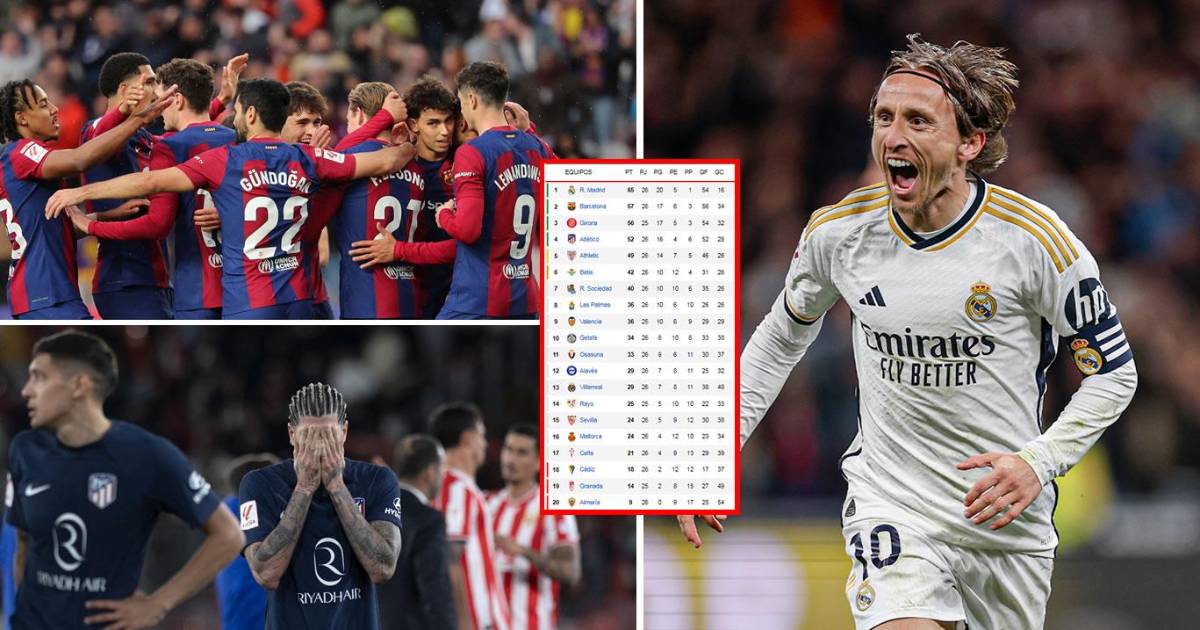
Spanish-language searches for the league standings surrounding a Real Madrid versus Sevilla FC fixture surged into the trending charts in the United States this week, and the phrase driving that traffic, ‘posiciones de real madrid contra sevilla fc,’ reveals a great deal about how modern supporters consume the game. The literal translation is straightforward: the league positions of Real Madrid and Sevilla. What sits behind the query is anything but simple, because a match between these two clubs can bend a title race, redraw the European qualification map, and generate arguments that rumble on for weeks.
For supporters in the United States, checking the table before a fixture of this magnitude has become a ritual. La Liga reaches American audiences chiefly through ESPN’s English and Spanish-language platforms, and with one of the largest Spanish-speaking populations in the world outside Latin America, interest in Spanish top-flight football has matured into a genuine ratings driver rather than a niche curiosity. Standings searches spike hardest in the days immediately before and after kickoff, when fans want to know not only who is ahead but what a single result would rearrange.
Two Clubs, Two Very Different Table Stories
Real Madrid approach any meeting with Sevilla carrying the weight of an institution that measures seasons in trophies rather than consolation. The club has collected more Spanish league titles than any rival and owns a European Cup record that no other side has come close to matching. That pedigree shapes expectations: a draw away from home can feel like a crisis, and a defeat in Andalusia can trigger days of analysis about squad rotation, fitness and the manager’s future.
Sevilla occupy a different place in the Spanish football ecosystem. The club has won La Liga only once, in the 1945-46 season, yet it has built a European reputation that far outstrips its domestic footprint, with a record haul of seven UEFA Cup and Europa League trophies. That continental expertise has repeatedly delivered Champions League football to the Ramon Sanchez-Pizjuan, and the club’s recruitment model, buying low, developing carefully and selling high, has kept it competitive against opponents with far deeper resources.
The two identities collide most vividly when the fixture lands at a decisive moment in the calendar. Sevilla ended a 40-match unbeaten run across all competitions for Real Madrid in January 2017, a result that briefly reopened a title race most observers had already declared finished. In other campaigns, Real Madrid have answered emphatically in front of their own supporters, turning the rebuilt Santiago Bernabeu into a venue where Sevilla have rarely escaped with maximum points. That unpredictability is precisely why the standings query keeps resurfacing.
What the Positions Actually Decide
Understanding why the table matters so much requires a quick tour of what La Liga places reward. The champions lift the trophy, the top four qualify for the Champions League group phase, fifth place earns a Europa League berth, and sixth place leads into the Conference League qualifying rounds. At the other end, the bottom three clubs drop into the second division, a fate with severe financial consequences given the gap in broadcast revenue between the divisions.
The Tiebreaker Nobody Remembers Until It Matters
Spain also uses a tiebreaking system that surprises casual followers. When two clubs finish level on points, La Liga first compares their head-to-head record from the season’s two meetings, then the goal difference in those specific matches, and only afterwards the overall goal difference across the campaign. The practical effect is that the reverse fixture between Real Madrid and Sevilla carries hidden value: a heavy defeat in the first meeting can haunt a club months later, long after supporters have stopped thinking about it. That quirk alone ensures the fixture is never merely about three points.
Why Mid-Season Positions Can Mislead
Positions taken in isolation can also deceive. A club sitting third in December may have played two more matches than the sides around it, making the raw number far less meaningful than the points gap. Real Madrid, regularly involved in European competition, the Copa del Rey and the FIFA Club World Cup, often carry a congested calendar that distorts short-term form. Sevilla, meanwhile, can appear adrift in the autumn before a winter run of results drags them back into continental contention. Reading the table properly means reading games played and goal difference alongside the points column.
Squad Depth, Tactics and the Head to Head Matchup
The tactical layer is where this fixture becomes genuinely fascinating. Real Madrid typically dominate possession against Sevilla, using quick vertical passes to release runners behind a defensive line that has to hold a high position to compress space. Sevilla’s counter is usually structural: a compact mid-block, aggressive pressing in wide areas, and a heavy reliance on set pieces, an area where the Andalusian club has historically punched above its weight.
That contrast creates a recurring tactical puzzle. If Sevilla press too high, they risk being shredded by fast transitions. If they sit too deep, they invite wave after wave of crosses and second-phase shots. The midfield contest often decides which side imposes its preferred rhythm, and the substitutes’ bench frequently tips the balance in the final twenty minutes, when fatigue opens gaps that individual quality can exploit.
Sevilla’s recent managerial churn has complicated their ability to build a settled identity, with several head coaches passing through the club in a short span. Stability tends to matter enormously in these fixtures, because a well-drilled block can neutralize superior talent. Real Madrid’s advantage lies in the depth of their squad, which allows them to rotate without a dramatic drop in quality across a long season.
Following the Race From the United States
American audiences have steadily integrated La Liga into their weekly sporting habits, helped by early kickoff times that slot neatly into weekend mornings on the East Coast. Audiences accustomed to following overseas competitions through our live coverage guides, such as the tri-series opener live guide, will recognize the routine: confirm the kickoff time, check the table, then settle in for a match that can shift the entire European picture.
Social media has amplified that habit further. Highlight clips circulate within minutes, tables are screenshotted and shared, and a single Sevilla victory over Real Madrid can dominate Spanish-language timelines in Miami, Los Angeles, Houston and New York for an entire weekend. Trending searches reflect that appetite, and they tend to recur every time the fixture appears on the calendar.
What to Watch When the Two Meet Again
Three things deserve attention the next time these clubs share a pitch. First, the points gap entering the match, which determines whether Real Madrid can afford a slip or whether Sevilla are chasing a result purely to stay in a European place. Second, the availability of key defenders, since both sides depend on structure more than chaos. Third, the calendar context: a fixture placed between Champions League nights often produces a rotated lineup and an unpredictable scoreline.
Above all, the standings query that trended this week is a reminder that Spanish football’s appeal rests on contrast. Real Madrid represent accumulated power, global reach and relentless expectation. Sevilla represent smart management, regional pride and a habit of spoiling celebrations. When those forces meet, the league table rarely stays still for long, and supporters on both sides of the Atlantic know it.
Source Reference (Google Trends): Latest News Updates on posiciones de real madrid contra sevilla fc
Frequently Asked Questions (FAQ)
What does 'posiciones de real madrid contra sevilla fc' mean in English?
It translates to 'positions of Real Madrid against Sevilla FC,' a phrase fans use when checking where the two clubs sit in the La Liga table before or after their meeting.
Where is the Real Madrid vs Sevilla fixture played?
The match alternates between Real Madrid's Santiago Bernabeu in the Spanish capital and Sevilla's Ramon Sanchez-Pizjuan stadium in Andalusia, depending on whether it is the home or away leg of the season.
How does La Liga break a tie on points?
La Liga first compares the head-to-head record between the two clubs, then their goal difference in those specific meetings, and only then the overall goal difference and goals scored across the full season.
How many La Liga titles has Sevilla won?
Sevilla have won the Spanish top flight once, in the 1945-46 season. Their strongest record comes in European competition, where they hold a record seven UEFA Cup and Europa League titles.
Why is this search trending in the United States?
The United States has a large Spanish-speaking population that follows La Liga closely, and standings searches typically spike in the days surrounding a high-profile fixture between the two clubs.