Dream, Valkyries Leave Court During Anthem at Finals
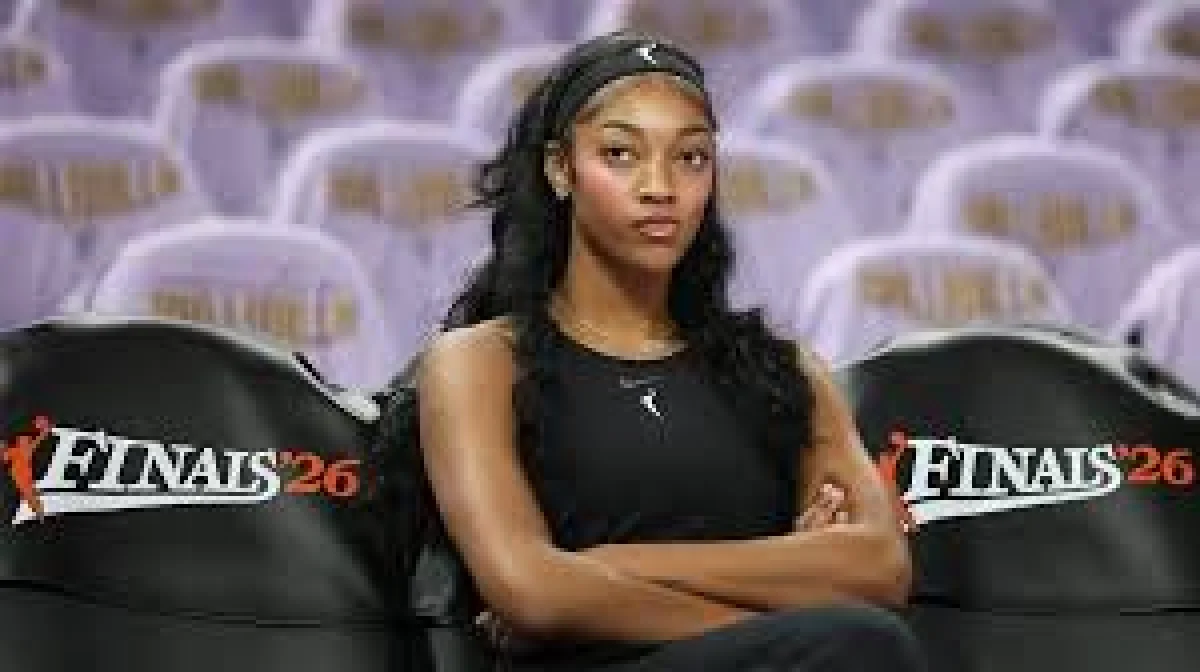
Atlanta Dream and Golden State Valkyries walked off the Chase Center floor just before the national anthem on Saturday and jogged back almost the instant it ended, a roughly two-minute absence that turned the pregame ritual before Game 1 of the WNBA Finals into one of the night’s first flashpoints. The teams had been warming up on the court before the Star-Spangled Banner began. When the singer finished, they returned almost immediately. Neither team offered an explanation in the moment, leaving viewers with a pointed question: why step away at that exact point?
A Brief Exit, a National Spotlight
The sequence was brief enough to be missed by some fans in the arena, but clear enough to be noticed by others and by viewers at home. The timing was precise. The players were on the floor during warmups, left before the anthem began, and came back as the final notes ended. In a Finals opener, every pregame detail is magnified. The national anthem is traditionally a moment when teams stand together along the sideline, making an absence conspicuous even when it lasts less than two minutes.
That visibility matters because the WNBA has spent years navigating the intersection of sport and civic expression. The league’s players have been among the most vocal in American professional sports on issues of racial justice and policing, and the anthem has repeatedly become a stage for those conversations. Saturday’s scene did not come with a statement, a social media post, or an on-camera explanation. It left the court and the broadcast to carry the image on their own.
The 2020 Precedent That Still Hovers
A Union Statement in the Game Notes
The scene carried echoes of the league’s own history. In its Aug. 2, 2020, game notes, Atlanta included messaging from the WNBA players’ union stating that the anthem does not represent freedom, justice and liberty for all Americans and that protests would continue in different forms during the 2020 WNBA season. That document was produced during a season played in a bubble amid national protests after the killing of George Floyd, when the league made social justice messaging a central part of its presentation.
No one connected Saturday’s absence to that statement in public. Neither the Dream nor the Valkyries said the move was a protest. But the timing made the older language feel newly relevant, even without a fresh explanation from either side. The WNBA’s history gives the anthem a layered meaning that other leagues do not always carry into a Finals opener. A simple pregame routine can become a Rorschach test for viewers who remember what players have said in the past and for those who believe the anthem should remain untouched by politics.
Angel Reese and the 2024 Elite Eight Memory
Angel Reese was also part of the backdrop. She is no stranger to staying off the court during the national anthem, and the moment recalled a 2024 Elite Eight game in Albany, New York, when LSU played Iowa. Caitlin Clark and her Hawkeyes teammates stood together holding hands during the anthem, while Angel Reese and the Tigers were off the floor. The contrast became a story after the game, in part because Clark and Reese were the two most watched figures in college basketball that season.
The Mulkey Response
After that game, LSU coach Kim Mulkey was asked whether the anthem absence had been a conscious decision on her part. She answered, "Honestly, I don’t even know when the anthem was played." The response did not settle the question. It underscored how often anthem moments are interpreted through a political lens even when the people involved do not offer a political explanation. The same uncertainty now surrounds Saturday’s Finals opener. The memory also points to how closely any Caitlin Clark storyline is followed; even a teammate’s on-court exchange can become a major talking point, as it did in the Sophie Cunningham court showdown that drew attention this season.
No Public Explanation, No Clear Answer
The reason for Saturday’s absence was not immediately clear. It could have been routine preparation, a team decision, a personal choice by players, or a form of protest. None of those possibilities has been confirmed. That ambiguity is central to the story. A visible act at a Finals game invites interpretation, but without a statement from the teams or the league, the public is left to guess.
The Dream and the Valkyries are not required to explain every pregame movement. Teams often leave the floor for warmth, treatment, or timing. Yet the national anthem is not an ordinary moment in American sports. It is scheduled, recognized, and usually treated as a shared pause. When an entire team or both teams step away, the absence becomes part of the broadcast. In this case, the return was almost as quick as the exit, which made the move look deliberate rather than accidental.
Why the Finals Stage Magnifies Everything
Game 1 at Chase Center put the WNBA’s biggest series in a building connected to one of the NBA’s most visible franchises. The Golden State Valkyries are the league’s newest expansion team, and their arrival on the Finals stage has drawn fresh attention to the Bay Area market. The Atlanta Dream, a veteran Eastern Conference organization, arrived as the visiting side. The Finals themselves are a showcase for a league that has seen rising attendance, expanding television coverage, and a growing debate over how much politics belongs in the game.
The anthem is one of the few moments in a basketball broadcast that is not about a score, a matchup, or a coaching decision. It is about symbolism, and symbolism travels quickly. Saturday’s scene gave the Finals a talking point before the ball was tipped. It also placed players in a familiar bind: if they stay, they can be criticized for not speaking; if they leave, they can be criticized for making a statement. The absence of an explanation leaves both readings alive.
The WNBA’s calendar is also part of the context. The Finals arrive as the broader basketball world turns toward the next NBA season, with fans already asking when the NBA season starts and how to watch opening night. In that environment, the WNBA’s championship series competes for attention with the men’s league and with the endless debate over athlete activism. A two-minute anthem absence can travel farther than a two-minute stretch of the game itself.
What Comes Next
The teams’ absence was visible and brief, but the meaning behind it remains unresolved. Until someone explains whether the move was protest, routine preparation, or something else entirely, Saturday’s most public pregame moment at the WNBA Finals will keep reading as a deliberate act without a declared purpose. The league may address it, the teams may clarify it, or the story may fade into the next game. For now, the image stands on its own: two teams leaving the floor before the anthem, then returning as soon as it ended.
That image will follow the series. Game 1 already has a storyline that has nothing to do with jump shots, defensive rotations, or the final score. It has a question that only the participants can answer. The public can see what happened. It cannot yet know why.
Source Reference (mogazmasr.com): Wnba National Anthem: Dream, Valkyries step off court before Finals opener
Frequently Asked Questions (FAQ)
Did both teams leave the court during the national anthem?
Yes. The Atlanta Dream and Golden State Valkyries left the floor before the anthem began and returned almost immediately after it ended before Game 1 of the WNBA Finals at Chase Center.
Was the anthem absence a protest?
There has been no public explanation from either team. The reason was not immediately clear, so the move could have been protest, routine preparation, or another decision.
What historical WNBA statement was referenced?
Atlanta's Aug. 2, 2020, game notes included WNBA players' union messaging saying the anthem does not represent freedom, justice and liberty for all Americans and that protests would continue in different forms.
What Angel Reese moment was recalled?
The 2024 Elite Eight game in Albany, New York, when LSU played Iowa. Caitlin Clark and Iowa stood together holding hands during the anthem while Angel Reese and LSU were off the floor.