Cowboys Waive Emari Demercado Again as Roster Crunch Looms
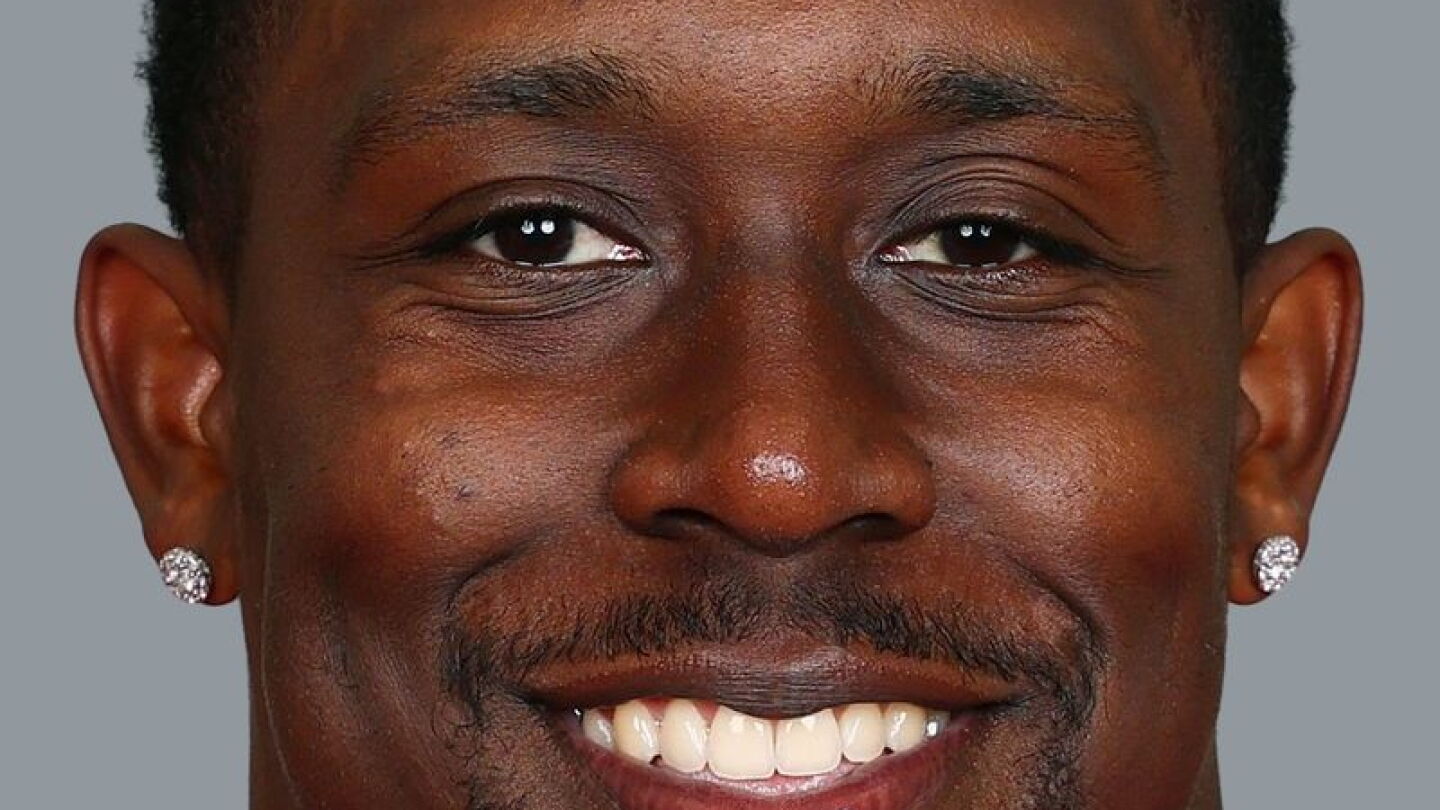
The Dallas Cowboys have waived running back Emari Demercado, and the transaction arrives wrapped in a heavy sense of deja vu. It is the second time this season that Dallas has cut the veteran back loose, a procedural churn that says as much about the club’s roster arithmetic as it does about Demercado’s standing inside the building.
According to reporting from NBC Sports’ Rivers McCown, Demercado was a healthy scratch for the Cowboys in their most recent game, and the front office is now weighing activations from injured reserve. Those two facts explain the timing neatly. Every activation from IR requires a corresponding vacancy on the 53-man roster, and the deepest, most replaceable position group is usually where a team reclaims a spot.
The move does not necessarily signal the end of Demercado’s time in Dallas. McCown noted that if the back remains with the organization, it would likely be through the practice squad, a mechanism that keeps him available for elevation on game days while freeing the active roster for returning starters.
A Transaction That Has Become Routine
Roster shuffling of this kind has become a weekly ritual across the league, and the Cowboys have leaned on it aggressively. Waiving a player and re-signing him shortly afterward is no longer treated as a demotion so much as a bookkeeping adjustment. Teams exploit the flexibility of the practice squad, the temporary elevation rules, and the revolving door at the bottom of the depth chart to survive the attrition of a seventeen game season.
For Demercado specifically, the pattern is now familiar. He has been on and off the active roster in Dallas more than once this fall, which is why the transaction feels less like a verdict and more like a placeholder. The evaluation of his fit in the offense has not changed dramatically. What changed is the front office’s need for open chairs.
The Roster Math Behind the Decision
NFL rules frame this entire episode. A player placed on injured reserve must miss a minimum of four games before he can be designated for return, and once designated, the team opens a twenty-one day practice window. During that window, the player can work with trainers and coaches, and at the end of it the club must either activate him to the 53-man roster or leave him on IR for the remainder of the campaign.
That deadline structure creates predictable pressure points in October and November. Multiple players often clear their windows in the same week or two, and a team that wants all of them back must find multiple spots at once. Releasing a rotational running back who was inactive anyway is the least disruptive way to comply.
Why Demercado Was the Easy Answer
Demercado’s game-day status made him the obvious candidate. A healthy scratch does not play on Sundays, does not contribute to special teams units that week, and does not burn a rep in a game plan. From a pure asset-management standpoint, moving on from a player who was not dressing costs the Cowboys nothing on the field in the short term, while a returning starter from IR upgrades a unit that has been shorthanded.
The same cold arithmetic has defined Dallas’ broader roster strategy in recent seasons, including the decisions that shaped the Micah Parsons conversation. Teams at the cap ceiling simply cannot afford sentiment at the back of the roster, an idea explored in our breakdown of Dallas roster priorities.
What Demercado Brings to a Backfield
Demercado arrived in the NFL as an undrafted free agent out of TCU, and his path has always been built on versatility rather than volume. He first earned a role with the Arizona Cardinals, where he carved out snaps as a change-of-pace runner, a check-down target out of the backfield, and a willing participant in pass protection. Those traits are precisely why coaches keep him around even when the carries do not materialize.
In a Dallas offense that has cycled through backfield combinations, that skill set has value in specific packages. Demercado is at his best on third down, where his blitz pickup and route running allow an offense to keep the same personnel on the field. He is not a between-the-tackles workhorse, and he has never been asked to be one. Evaluators who graded him as a depth piece with special teams utility have largely been proven right.
The Cowboys’ recent meetings with Green Bay offered a window into how quickly a backfield rotation can be stress tested in a high-leverage setting, as covered in our Packers vs. Cowboys live updates. Depth matters most when the snap count spikes unexpectedly.
The Practice Squad Path
If Demercado clears waivers unclaimed, which is the likeliest outcome for a rotational back with limited carries on tape this season, he becomes a free agent and can re-sign with Dallas in any capacity the two sides agree upon. The practice squad is the natural landing spot.
Practice squads hold sixteen players, with rules governing how many can carry unlimited accrued seasons, and teams may elevate a limited number of them to the active roster on game day without losing the player to waivers afterward. For a running back, that structure is functionally a weekly insurance policy. If the starter tweaks a hamstring on Friday, Demercado can be elevated Saturday and dress Sunday.
The Risk of Losing Him
There is a real, if modest, downside for Dallas. Another team dealing with backfield injuries could claim him on waivers, and once claimed, a player cannot be pulled back. Running back is one of the positions most frequently raided off practice squads league-wide, because the position absorbs contact at a rate that outpaces roster depth. The Cowboys are betting that his market is quiet.
What This Says About the Front Office
Dallas has approached this season as a puzzle of availability rather than a search for new talent. The priority has been getting healthy bodies back into the lineup and keeping the roster flexible enough to absorb the next injury. Waiving Demercado twice in a matter of weeks is not indecision. It is the predictable output of a system that treats the bottom five roster spots as temporary storage.
The broader organizational context has not made life easier. The Cowboys have spent the year managing high-profile contractual and personnel questions, including a running back room that has never settled into a fixed rotation. Speculation about outside reunions and long-term planning has followed the franchise constantly, which makes granular moves like this one easy to overlook even though they reveal how the building actually operates.
What to Watch Next
The next forty-eight hours will clarify the picture. Waiver claims process quickly, and the Cowboys will then announce which players are being activated from injured reserve. If Dallas opens multiple spots, Demercado’s return to the practice squad could be announced almost immediately, potentially within the same news cycle.
Watch the game-day inactive list as well. If a returning starter is not quite ready despite clearing his window, the front office may keep Demercado on the active roster for another week and defer the decision entirely. That is the nature of a system this fluid: today’s release is frequently tomorrow’s re-signing, and the transaction wire tells a story that the depth chart often has not caught up to yet.
Source Reference (nbcsports.com): Cowboys waive Emari Demercado again
Frequently Asked Questions (FAQ)
Did the Cowboys release Emari Demercado permanently?
No. It is the second time Dallas has waived him this season, and reporting indicates he could return as a member of the practice squad if he clears waivers unclaimed.
Why did Dallas waive Demercado now?
Demercado was a healthy scratch in the team's most recent game, and the Cowboys are preparing to activate players from injured reserve, which requires opening spots on the 53-man roster.
What happens if another team claims Demercado on waivers?
A claiming team takes over his contract and adds him to its active roster. Dallas would then have no path to retain him, which is the primary risk in this roster maneuver.
What does Demercado offer an NFL offense?
He is a versatile depth back who contributes on third down, in pass protection, and on special teams. He arrived as an undrafted free agent from TCU and built his role with the Arizona Cardinals before joining Dallas.