Bauers Faces $23 Million Brewers Qualifying Offer
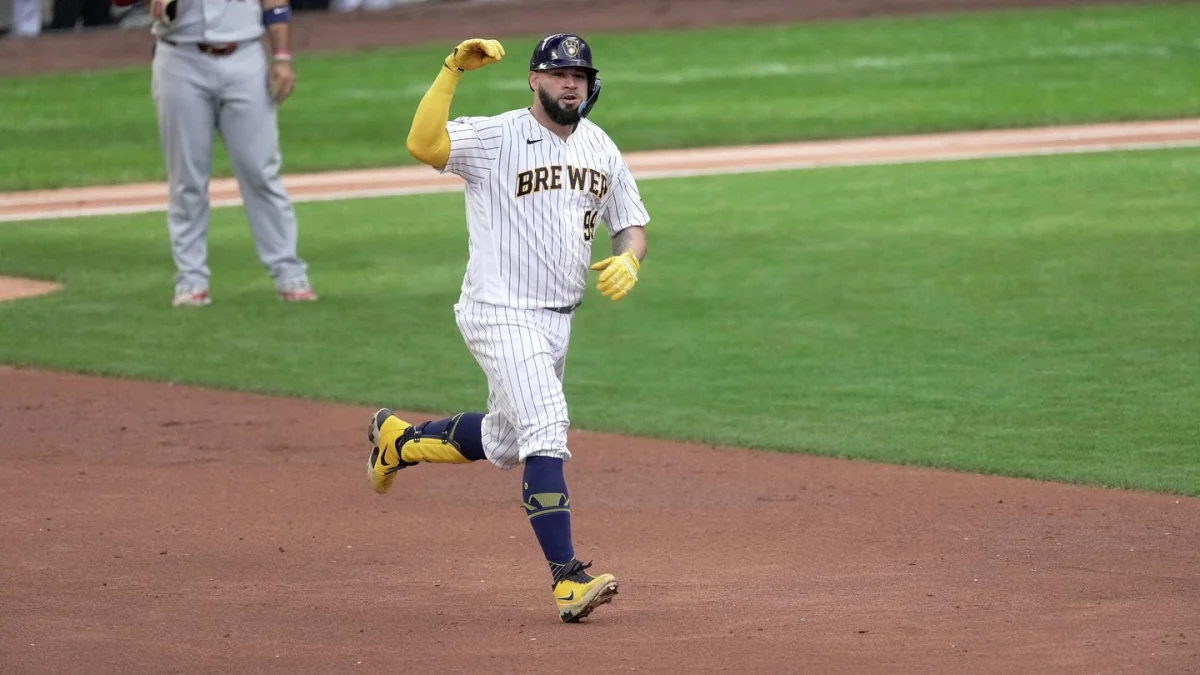
Milwaukee handed itself a deadline and handed Jake Bauers a number on Monday, tendering the first baseman and corner outfielder a one-year qualifying offer worth $23 million as the Brewers began the patient, unglamorous work of rebuilding a roster contract by contract.
The offer contains no middle ground. Bauers can accept a guaranteed one-year deal at that fixed figure, or he can turn it down, return to the open market and force the front office to redirect the money and the roster spot elsewhere. There is no counterproposal to submit and no arbitration hearing to prepare for. The qualifying offer is baseball’s bluntest instrument: a yes-or-no question delivered with a countdown already running.
A Fixed Price and a Fixed Clock
That structure is why Monday carried more weight than a routine procedural filing. A qualifying offer is not the opening bid in a long negotiation; it is the entire negotiation, compressed into a single document. Once the tender is signed and delivered, the player holds the pen and the club waits, and the answer arrives quickly by the standards of a baseball winter that otherwise drags from the end of the World Series into February.
The mechanism also carries draft-pick compensation if Bauers departs, which is precisely why clubs reserve it for players they actually want to keep. Extending the offer communicates two ideas simultaneously. Milwaukee would be content to employ Bauers at that price for another season, and Milwaukee is also comfortable with the compensation package it would collect if he signs elsewhere. Both outcomes are survivable, and that dual safety is the whole design.
For a player, the calculus runs differently. Acceptance delivers certainty, a substantial guaranteed salary and another season in a clubhouse where he is established. Decline means betting that a multiyear deal exists on the open market at a total value exceeding the single-season figure, a wager that has gone badly for plenty of hitters in recent winters as teams have grown stingier about long commitments for part-time profiles.
Why Milwaukee Put the Number on Bauers
Bauers fits a very specific shape. A left-handed hitter who has moved through the Tampa Bay, Cleveland, Seattle and New York Yankees organizations before landing in Milwaukee, he provides defensive coverage at first base and in both outfield corners, the kind of positional elasticity that makes a manager’s late-inning decisions easier. His value is less about a headline stat line than about the number of lineup configurations he permits on a Tuesday in July.
That trait has become close to a philosophy for the Brewers, an organization that has consistently favored breadth over star concentration. Milwaukee has built contenders in the National League Central by squeezing value from versatility, platoons and pitching depth rather than by winning bidding wars for the top of the market. Committing $23 million for one season to a player of that mold is expensive, but it buys flexibility rather than locking the club into a multiyear obligation at a position where options remain open.
The offer also functions as a hedge. If Bauers accepts, Milwaukee keeps a known contributor on a short deal and preserves long-term payroll room. If he declines, the club recovers compensation and pivots to internal answers it has already spent a year stockpiling.
Sanchez and the Catching Depth Behind Him
The same afternoon brought the harder, more sentimental call. Milwaukee declined Gary Sanchez’s mutual option for the 2027 season, ending a partnership with one of the more popular figures in the clubhouse. Sanchez produced 12 home runs and 38 runs batted in across 86 regular-season games in 2026, a line respectable enough that the conversation stayed alive even as the club stepped away from the option.
Mutual options are rarely exercised regardless of the dollar figure, because they require both sides to agree on a price neither may find accurate. This one was no exception.
What made it simple was the depth chart. The Brewers acquired Bo Naylor from the Cleveland Guardians ahead of the 2026 trade deadline, still hold top prospect Jeferson Quero in the system, and have no intention of moving William Contreras from behind the plate. With three legitimate options and a fourth developing, paying a premium for a backup catcher would have been an indulgence rather than a need, and Milwaukee does not indulge.
None of that erases what Sanchez supplied. A veteran presence with real power from the right side, he gave the lineup a late-inning threat and the pitching staff an experienced hand. His departure is the sort of move that looks cold on a transaction log and understandable only when the full roster is spread across the desk.
Senzatela and the Easier Call
The decision on Antonio Senzatela required no agonizing at all. Milwaukee declined his $14 million club option for the 2027 season after he posted a 5.14 earned run average across 23 appearances following the trade deadline, a stretch in which his results never stabilized enough to justify that salary on a pitching staff with cheaper alternatives.
Relievers are volatile assets, and 23 outings constitute a small sample, but $14 million is a large commitment to make on the strength of inconclusive evidence. The Brewers let the option lapse and retain the freedom to address the bullpen through lower-cost avenues, a decision that reads as straightforward accounting rather than a verdict on the pitcher himself.
What the Decision Means for the Rest of the Winter
Monday’s business unfolded inside a crowded sports news cycle, with the tennis tour generating its own headlines through Pohankova’s Tokyo quarterfinal run, but in Milwaukee the only clock that mattered was the one attached to Bauers.
His answer will define the rest of the front office’s calendar. Acceptance locks in a familiar bat, keeps the bench flexible and sends the club into the winter hunting for pitching and up-the-middle help with a largely settled position-player group. A rejection creates a genuine hole at first base and in the outfield rotation, hands the club a compensatory pick and opens roughly $23 million of room that can be redirected in any number of directions.
Both paths are defensible. What the Brewers refused to do was drift. By attaching a hard number to a player they value but do not depend upon, they converted an open question into a scheduled event, and they removed the possibility of a January negotiation that would have lingered while other clubs filled their own vacancies.
The Bottom Line
Milwaukee approaches this offseason without sentiment and without much patience for ambiguity. Sanchez and Senzatela were sorted through the cleanest mechanism available: options allowed to expire when the price no longer matched the production. Bauers received something different, a real commitment at a real cost, and with it the leverage to decide which direction the roster turns next.
For the club, Monday was roster architecture conducted one contract at a time. For Bauers, it is simultaneously simpler and harder. One offer, one number, one choice, and a decision that will be remembered long after the paperwork is filed.
Source Reference (mogazmasr.com): Jake Bauers Qualifying Offer Brewers set up a $23 million decision
Frequently Asked Questions (FAQ)
What exactly did the Brewers offer Jake Bauers?
Milwaukee tendered him a one-year qualifying offer worth $23 million. It is a fixed-price, one-year contract, so Bauers must either accept it or decline it and enter free agency.
Why did the Brewers decline Gary Sanchez's option?
Milwaukee declined his mutual option for the 2027 season. Sanchez hit 12 home runs with 38 RBIs in 86 regular-season games in 2026, but the club already had catching depth in Bo Naylor, top prospect Jeferson Quero and William Contreras.
How did Antonio Senzatela's option get declined?
The Brewers passed on his $14 million club option for the 2027 season after he recorded a 5.14 ERA in 23 appearances down the stretch following the trade deadline.
What happens if Bauers turns down the qualifying offer?
He becomes a free agent, and Milwaukee would receive draft-pick compensation while freeing up the $23 million for other roster needs.
{“@context”:”https://schema.org”,”@type”:”FAQPage”,”mainEntity”:[{“@type”:”Question”,”name”:”What exactly did the Brewers offer Jake Bauers?”,”acceptedAnswer”:{“@type”:”Answer”,”text”:”Milwaukee tendered him a one-year qualifying offer worth $23 million. It is a fixed-price, one-year contract, so Bauers must either accept it or decline it and enter free agency.”}},{“@type”:”Question”,”name”:”Why did the Brewers decline Gary Sanchez’s option?”,”acceptedAnswer”:{“@type”:”Answer”,”text”:”Milwaukee declined his mutual option for the 2027 season. Sanchez hit 12 home runs with 38 RBIs in 86 regular-season games in 2026, but the club already had catching depth in Bo Naylor, top prospect Jeferson Quero and William Contreras.”}},{“@type”:”Question”,”name”:”How did Antonio Senzatela’s option get declined?”,”acceptedAnswer”:{“@type”:”Answer”,”text”:”The Brewers passed on his $14 million club option for the 2027 season after he recorded a 5.14 ERA in 23 appearances down the stretch following the trade deadline.”}},{“@type”:”Question”,”name”:”What happens if Bauers turns down the qualifying offer?”,”acceptedAnswer”:{“@type”:”Answer”,”text”:”He becomes a free agent, and Milwaukee would receive draft-pick compensation while freeing up the $23 million for other roster needs.”}}]}