Arby’s Loaded Sandwiches Climb U.S. Search Trends
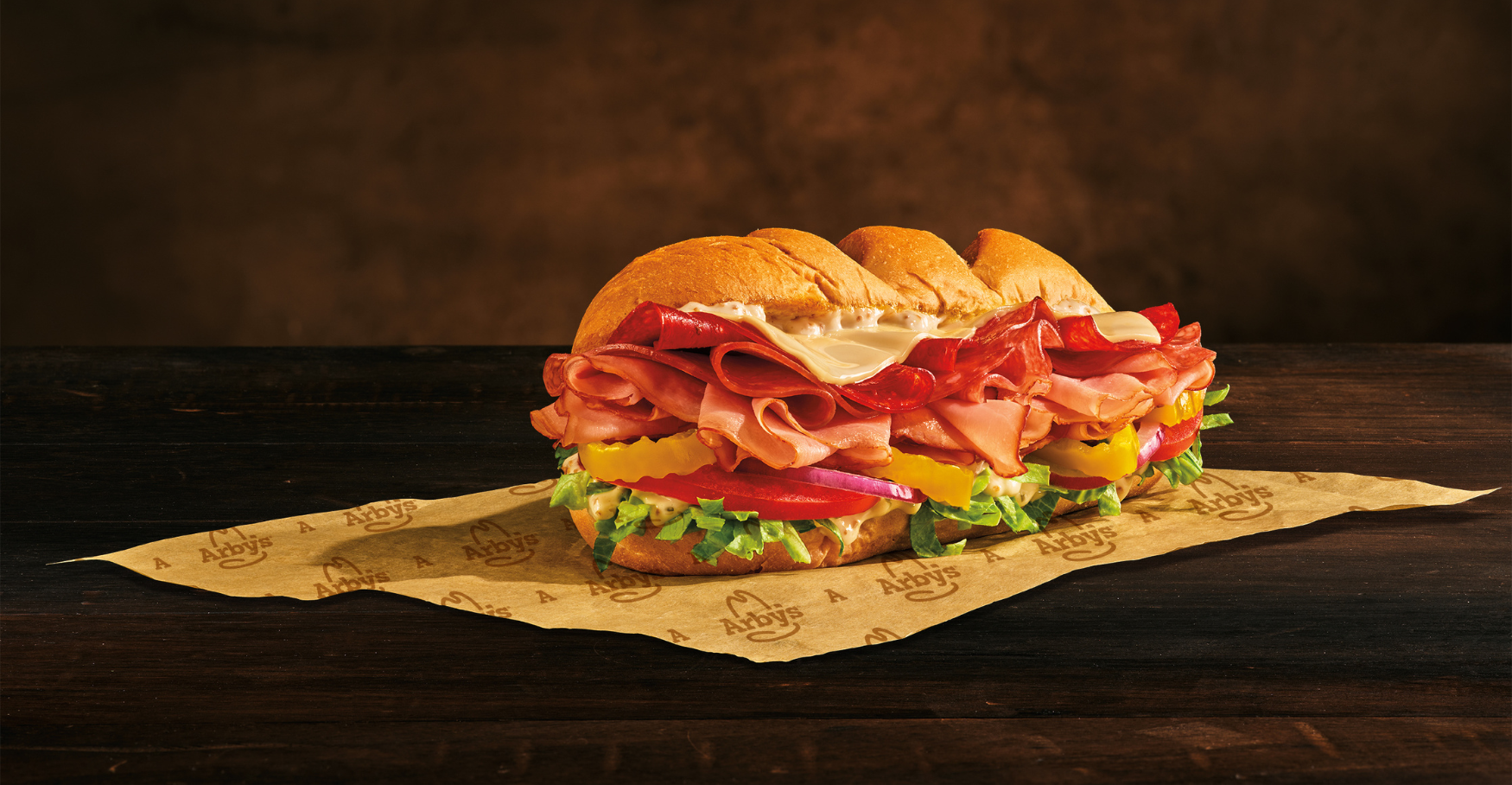
Arby’s loaded sandwiches pushed into the top tier of United States search trends this week, transforming a familiar menu phrase into a nationwide conversation. The Atlanta based chain, long identified with slow roasted beef stacked on toasted buns, became the subject of one of those organic digital moments that restaurant brands rarely plan and almost always welcome: a wave of curiosity from diners asking what a loaded Arby’s sandwich actually contains, whether the lineup is new, and where it can be found.
Fast food searches spike for unglamorous reasons. A new promotion, a viral social post, a delivery app placement, or a regional test item can all send queries climbing within hours. What makes this particular surge notable is the phrasing. Consumers are not searching for a single named product. They are searching for a category, which suggests the interest is broad rather than tied to one advertisement.
That pattern echoes how other subjects move through American feeds. Attention gathers around a specific term, then spreads outward, whether the topic is a rocket launch such as SpaceX’s latest Falcon 9 launch or a competition table that fans check daily, including the Pakistan vs England cricket standings.
The Meaning Behind the ‘Loaded’ Label
In the vocabulary of quick service restaurants, loaded is a promise about volume and complexity. A loaded item stacks additional proteins, cheese, sauces, and toppings onto a base build, and it usually carries a higher price than the standard version. For a chain like Arby’s, the word functions as a signal on the drive thru board: the customer should expect a heavier, messier, more involved sandwich than the simple meat and bun combination that built the brand.
Arby’s has applied the term in two directions. Sandwiches described as loaded typically carry more than one meat along with melted cheese and a sauce, while sides described as loaded arrive covered in cheddar sauce, bacon, and seasonings. The result is a menu architecture that gives customers a straightforward choice between a lighter classic and a more indulgent build at a higher ticket price.
The strategy is not unique to Arby’s. Competitors across the burger, chicken, and sub segments have spent years adding layers to signature items, partly because incremental toppings are inexpensive relative to the price increase they justify, and partly because they photograph well on social platforms where food images drive discovery.
How Arby’s Built Its Reputation on Roast Beef
The chain traces its origins to 1964, when brothers Forrest and Leroy Raffel opened the first location in Boardman, Ohio. The name comes from the initials R and B, shorthand for Raffel Brothers, and the founding menu was deliberately narrow: roast beef sandwiches, potato chips, and a beverage. That focus separated the young company from the hamburger chains expanding around it and gave it a distinct identity in a crowded field.
Over the following decades the roster widened. Curly fries and the Jamocha shake became signature items, and the chain added market fresh deli style sandwiches, wraps, salads, gyros, and seasonal offerings such as a fish sandwich during Lent and prime rib or brisket promotions at other points in the year. Mozzarella sticks, dropped from the menu at one stage, returned after sustained customer requests, a reminder of how attached regulars become to specific items.
A 2014 advertising campaign built around the line We Have the Meats repositioned the brand for a national audience and pushed roast beef back to the center of its marketing. The message was simple and flexible enough to stretch across beef, turkey, chicken, and pork offerings, and it remains one of the more recognizable slogans in the category.
The Sandwich Wars and the Limited Time Offer Economy
Arby’s competes in a segment where menu innovation is measured in weeks rather than years. Rivals including McDonald’s, Wendy’s, Burger King, Subway, Jimmy John’s, and Jersey Mike’s rotate limited time offers constantly, and each launch is designed to generate a short burst of traffic and press coverage before the next item arrives. Loaded builds fit that playbook neatly because they feel new without requiring an entirely new supply chain.
The competitive pressure has intensified around value. Several major chains introduced bundled meal deals priced at a few dollars during the past two years, and the discounting has squeezed margins even as ingredient and labor costs remain elevated. Premium loaded sandwiches serve as a counterweight, lifting the average check for customers willing to trade up while cheaper core items keep budget conscious diners in the fold.
Beef costs complicate that equation. Wholesale beef prices have been volatile, and a chain whose identity rests on roast beef feels those swings more directly than competitors leaning on chicken or plant based fillings. Menu engineering, the practice of steering customers toward items with favorable margins, becomes essential in that environment.
Ownership, Scale, and the Business Backdrop
Arby’s is part of Inspire Brands, the Atlanta based restaurant group assembled over the past decade. Its portfolio also includes Buffalo Wild Wings, Dunkin’, Jimmy John’s, Sonic Drive-In, and Baskin-Robbins, giving the parent company reach across breakfast, coffee, wings, sandwiches, and desserts. Private equity firm Roark Capital acquired Arby’s in 2011 and later took control of Inspire Brands in a deal completed in late 2023, adding Subway to its restaurant holdings the following year.
The chain operates more than 3,000 restaurants, the overwhelming majority in the United States, with a business model weighted heavily toward franchising. That structure means menu decisions ripple outward to thousands of independent operators, who must source ingredients, train staff, and absorb the cost of new equipment whenever a limited time item requires it.
For franchisees, a trending search term is not a curiosity. It is free advertising. Sustained interest in a menu category can translate into higher traffic, stronger app engagement, and better performance on delivery platforms, all of which matter in a market where customer acquisition costs keep climbing.
Why a Menu Phrase Can Dominate Search
Digital attention has become one of the most closely watched indicators in the restaurant industry. Marketing teams monitor query volume the way traders watch tickers, because a rising term often precedes a measurable sales bump. When a phrase like loaded sandwiches trends nationally, it usually reflects a mix of paid promotion, social sharing, and simple curiosity from people who saw an advertisement and wanted details.
There is also a demographic dimension. Younger diners research before they order, checking menus, nutrition information, and reviews on their phones, so a brand that appears near the top of those searches gains an advantage at the exact moment a purchase decision is being made.
What Comes Next for the Loaded Lineup
Expect continued rotation rather than a permanent expansion. Chains in this segment rarely freeze a lineup. They test items in select markets, watch franchisee feedback, and scale only what performs. Loaded sandwiches and loaded sides are likely to keep appearing in seasonal windows, paired with app exclusive offers and delivery promotions designed to convert curiosity into orders.
For customers, the practical takeaway is straightforward. The loaded versions of familiar items deliver more ingredients, more calories, and a higher price, and they tend to be available for a limited stretch of time. For Arby’s, the surge in searches represents something harder to quantify: proof that a phrase long used on its menu boards still has the power to pull a national audience toward the counter.
Source Reference (Google Trends): Latest News Updates on arbys loaded sandwiches
Frequently Asked Questions (FAQ)
What are Arby's loaded sandwiches?
Loaded is a menu term for builds that stack extra meat, cheese, sauces, and toppings onto a standard sandwich, typically at a higher price than the classic version. Arby's also uses the label on sides such as loaded curly fries.
Did Arby's launch a brand new loaded sandwich?
The trend reflects broad interest in the category rather than confirmation of one specific new product. The chain rotates limited time items through the year, and loaded builds have appeared across both sandwiches and sides.
Who owns Arby's?
Arby's is owned by Inspire Brands, the Atlanta based group that also operates Buffalo Wild Wings, Dunkin', Jimmy John's, Sonic, and Baskin-Robbins. Roark Capital acquired Arby's in 2011 and took control of Inspire Brands in a deal completed in late 2023.
When and where did Arby's open its first restaurant?
The first location opened in 1964 in Boardman, Ohio, founded by brothers Forrest and Leroy Raffel. The name derives from the initials R and B, short for Raffel Brothers.
Why does the term loaded sandwiches keep trending?
Search spikes usually follow promotions, social sharing, or app placements. Broad category queries like this one indicate general curiosity rather than a single advertisement, and they often translate into measurable traffic gains for the chain.
{“@context”:”https://schema.org”,”@type”:”FAQPage”,”mainEntity”:[{“@type”:”Question”,”name”:”What are Arby’s loaded sandwiches?”,”acceptedAnswer”:{“@type”:”Answer”,”text”:”Loaded is a menu term for builds that stack extra meat, cheese, sauces, and toppings onto a standard sandwich, typically at a higher price than the classic version. Arby’s also uses the label on sides such as loaded curly fries.”}},{“@type”:”Question”,”name”:”Did Arby’s launch a brand new loaded sandwich?”,”acceptedAnswer”:{“@type”:”Answer”,”text”:”The trend reflects broad interest in the category rather than confirmation of one specific new product. The chain rotates limited time items through the year, and loaded builds have appeared across both sandwiches and sides.”}},{“@type”:”Question”,”name”:”Who owns Arby’s?”,”acceptedAnswer”:{“@type”:”Answer”,”text”:”Arby’s is owned by Inspire Brands, the Atlanta based group that also operates Buffalo Wild Wings, Dunkin’, Jimmy John’s, Sonic, and Baskin-Robbins. Roark Capital acquired Arby’s in 2011 and took control of Inspire Brands in a deal completed in late 2023.”}},{“@type”:”Question”,”name”:”When and where did Arby’s open its first restaurant?”,”acceptedAnswer”:{“@type”:”Answer”,”text”:”The first location opened in 1964 in Boardman, Ohio, founded by brothers Forrest and Leroy Raffel. The name derives from the initials R and B, short for Raffel Brothers.”}},{“@type”:”Question”,”name”:”Why does the term loaded sandwiches keep trending?”,”acceptedAnswer”:{“@type”:”Answer”,”text”:”Search spikes usually follow promotions, social sharing, or app placements. Broad category queries like this one indicate general curiosity rather than a single advertisement, and they often translate into measurable traffic gains for the chain.”}}]}