Aspyn Ovard Daughter Diagnosis: What Fans Should Know
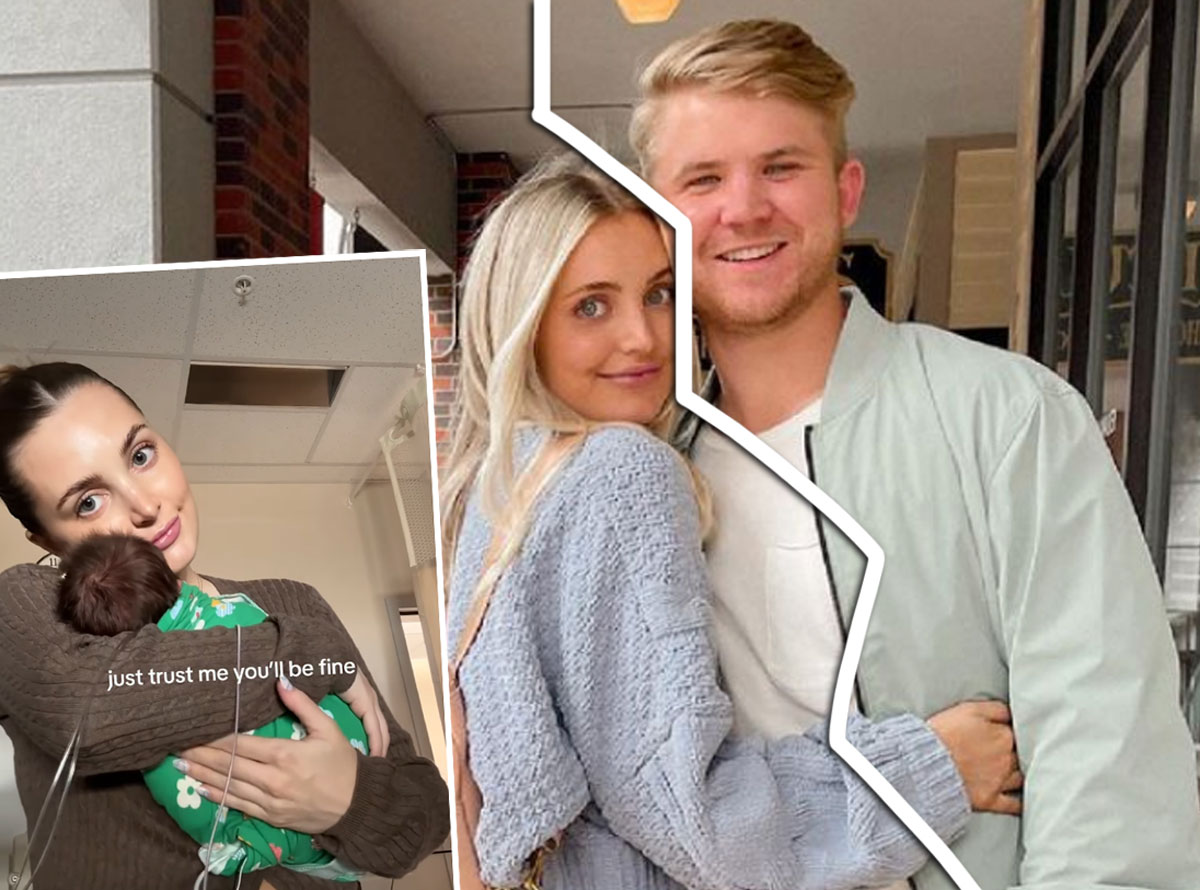
The phrase “aspyn ovard daughter diagnosis” climbed into the top tier of United States search trends this week, and the reason is not complicated. Millions of people who have watched Aspyn Ovard grow up on YouTube, then marry, then become a mother, wanted a direct answer about the health of a child they have only ever seen through a screen. What they found depended entirely on where they clicked: a note from the family, a screenshot of that note, an aggregator’s rewrite of the screenshot, or a stranger’s theory presented as reporting.
The Ovard household has confirmed that one of the couple’s young daughters has received a medical diagnosis. Beyond that core fact, the picture is thinner than the volume of coverage implies. The parents have not published an itemized clinical account, and there is no professional or ethical reason why they should have to. What follows is an attempt to separate the confirmed from the assumed, and to explain how a family health update from a Utah lifestyle creator became a national search event.
Who is Aspyn Ovard?
Ovard built her audience the slow way, by posting on schedule and letting viewers watch her life unfold in sequence. Raised in Utah, she started uploading style, beauty and lifestyle videos as a teenager, and her timing was close to ideal. YouTube’s beauty and vlogging ecosystem was expanding rapidly through the mid-2010s, and creators with a reliable posting rhythm could convert a bedroom hobby into a genuine business. She did exactly that, stretching a following across YouTube, Instagram, TikTok and Snapchat until the audience numbered in the millions.
From haul videos to a family brand
Her subject matter changed as her circumstances did. The haul videos and dorm tours of her early years gave way to wedding planning, then to renovation projects, then to motherhood. She married Parker Ferris in 2015, and the couple’s elder daughter, Cove, arrived in 2019. A second daughter, Lola, followed, and the channel settled into a blend of lifestyle content, brand partnerships and domestic routine.
That progression explains the emotional charge behind this week’s searches. Readers who discovered Ovard as teenagers are now adults with jobs and mortgages. The children they watched arrive are no longer abstract figures in a thumbnail; they are real girls with names and personalities and, as of this week, a medical situation that much of the internet suddenly feels entitled to understand.
Why one search phrase moved so quickly
Trending lists are a blunt instrument. They measure volume, not accuracy, and they rarely distinguish between a family’s own statement and a rumor about that statement. The same dynamics drive traffic around far less personal stories. Readers searching for details of the Falcon 9 launch sift through official updates, live blogs and recycled summaries, and the strongest sources are seldom the ones that load first.
Family-vlogger audiences add a layer that technology coverage does not have. Fan communities on Reddit and TikTok are extraordinarily efficient at collecting scraps, cross-referencing old videos and building timelines. That skill can be genuinely useful when a family is vague. It can also transform a sentence fragment into a widely repeated claim within an afternoon. Health topics make the problem worse, because a comment section full of untrained speculation reads, to a worried newcomer, like a diagnosis.
What is confirmed, and what is not
The essential facts are narrow. The Ovard family has said that one of their daughters received a medical diagnosis. The announcement surfaced through the couple’s own platforms, and those channels remain the primary source. Everything past that point involves interpretation.
Naming a condition is not the same as describing its severity, its treatment plan or its long-term outlook, and none of those details exist in a settled public form. Readers who encounter a confident summary somewhere else should ask a basic question before sharing it: where did the person writing this get their information? In most cases the trail leads back to the same short family update, decorated with guesses.
There is also a version of this story that plays out in the comments, where strangers crowdsource symptoms, propose remedies and speculate about prognosis. That behavior is common online and almost always well-meant. Directed at a child, it is also unusually intrusive. A parent reading those threads is not being helped; they are being audited.
The privacy question family creators keep facing
Ovard belongs to a cohort of creators whose professional lives and children’s lives overlap, and that overlap has always carried an ethical cost. Children cannot consent to being filmed, and legislation in several states has begun to give the sons and daughters of monetized creators more legal standing over their own images. A medical diagnosis sits on a different tier from a first day of school or a birthday party. It is information a child may one day regard as private, and no parent can predict how a child will feel about having it broadcast at six years old.
Many creators respond by narrating what is happening without disclosing clinical detail, a middle path that satisfies audiences while preserving what belongs to the family. Others say nothing until a situation resolves. Both approaches draw criticism, which is precisely the trap the format creates. The parents are managing a child’s health and a public relations problem at the same time, and the second one never stops.
An audience that grew up alongside her
Parasocial attachment is easy to mock and hard to shake. Viewers who have followed the same household for a decade have accumulated something that functions like familiarity: they remember which pregnancy announcement came when, how the nursery was decorated, which sister crawled first. When a health crisis arrives, the emotional reflex is genuine, and thousands of supporters will send well-wishes, gifts and messages of solidarity.
The responsible version of that reflex is short, warm and undemanding. It offers support without requesting a timeline, a diagnosis, a hospital name or a photograph. The unhelpful version demands answers from people who are already exhausted. Creators notice which one they get.
How to follow a health story without making it worse
Check the family’s own channels before believing any summary, and treat screenshots as unverified until the original post is located. Decline to repeat speculation, even with a disclaimer attached, because disclaimers travel poorly once a claim is shared out of context. Avoid armchair diagnosis, which is both unreliable and insulting to the professionals actually treating the child. And remember the obvious thing that trend maps conceal: behind every rising query is a pair of parents sitting in a waiting room, deciding how much of their daughter’s life to hand to strangers.
What happens next
Attention will move on, as it always does. The same 24-hour cycle that carried news of US aircraft repositioned from RAF Mildenhall to bases in Germany and Spain will absorb the next headline, and the search volume around the Ovard family will fall back to normal within days. That is the nature of a trend. It is not the nature of a diagnosis, which will keep generating appointments and decisions long after the graph flattens.
For the family, the story does not conclude when the internet stops looking. Odds are that Ovard will share more when there is more to share, on her own schedule and in her own words, which is the arrangement most parents in her position eventually reach. Until then, the most accurate statement available is also the shortest: a child received a diagnosis, her parents disclosed it, and the rest of the details belong to them.
Source Reference (Google Trends): Latest News Updates on aspyn ovard daughter diagnosis
Frequently Asked Questions (FAQ)
Who is Aspyn Ovard?
Aspyn Ovard is a Utah-based lifestyle and family content creator who began posting beauty and lifestyle videos as a teenager and built an audience in the millions across YouTube, Instagram, TikTok and Snapchat. She married Parker Ferris in 2015 and has two daughters.
What has the family said about the diagnosis?
The family has confirmed that one of the couple's daughters received a medical diagnosis, announced through the couple's own platforms. No itemized clinical details, treatment plan or prognosis have been published in a comprehensive public statement.
Where can I find verified updates?
The only authoritative source is the family's own accounts on the platforms where they post. Screenshots, aggregator articles and comment-section summaries should be treated as secondhand until the original post can be located.
Why did the topic trend in the United States?
The audience is large, long-tenured and emotionally invested in the family, so a health disclosure generated a surge of searches. Trending lists track search volume rather than verification, which is why speculation spread alongside the family's own update.
Should fans contact the family for details?
No. Supporters can offer brief well-wishes without requesting timelines, diagnoses or photographs. Direct requests for private medical information place additional strain on parents already managing a child's care.