Deva, Composer Behind Rajinikanth’s Title Theme, Dies at 75
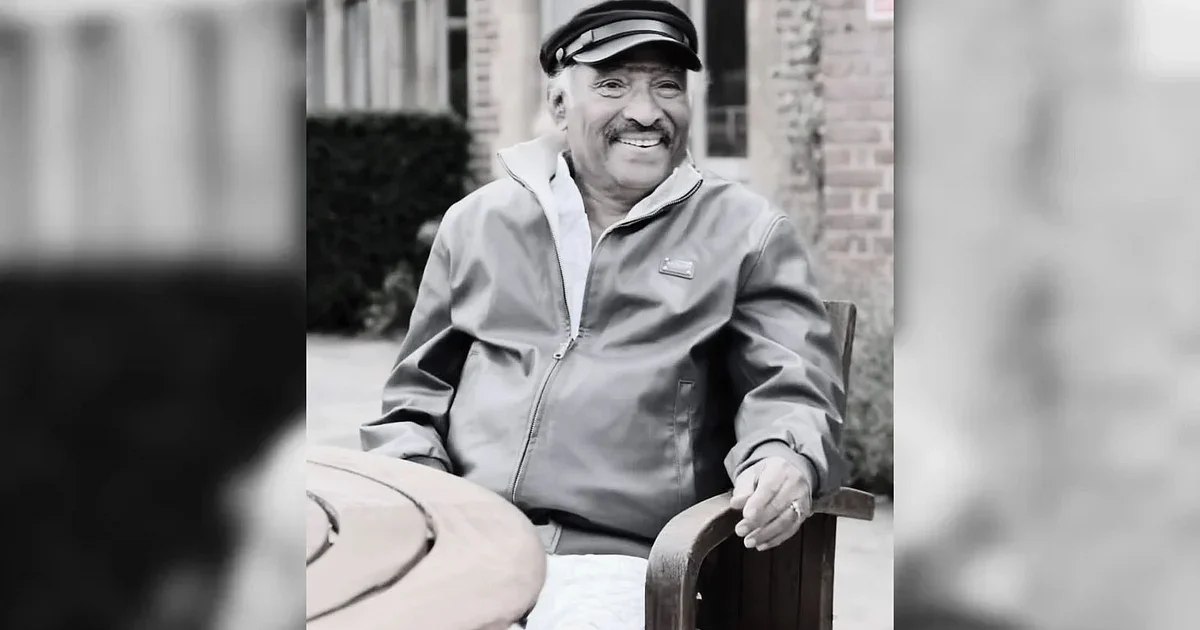
Chennai: Devanesan Chokkalingam, the composer the film industry and generations of listeners knew simply as Deva, died at a hospital in Chennai on Saturday, October 17. He was 75. The announcement carried one conspicuous omission: no cause of death has been disclosed, leaving the central fact of the loss established while the medical circumstances behind it remain unknown.
His body will be kept at his residence in T Nagar, in the centre of Chennai, so that relatives, colleagues from the industry and members of the public can pay their last respects. The arrangement gives the many people whose lives were accompanied by his music a place to gather after the hospital confirmed his passing, instead of leaving the farewell to private family arrangements alone.
- A Catalogue Measured in Hundreds of Films
- From Devotional Albums to a Cinema Debut
- The Theme That Opened Every Rajinikanth Film
- Piano, Harmonium and the Brothers Who Opened Doors
- Four Hundred Films and the Everyday Presence of a Composer
- Final Respects in T Nagar
- The Question Still Hanging Over the Story
A Catalogue Measured in Hundreds of Films
Deva composed songs and background scores for more than 400 films, spread across Tamil, Kannada, Telugu and Malayalam cinema. The scale is the story. This was not one fortunate soundtrack or a brief run of chart successes but a working life measured in decades, in four language industries, and in collaborations that stretched from devotional recordings to mass-market entertainers.
He is also remembered for helping push gaana into mainstream cinema. The genre, rooted in the working-class neighbourhoods of north Chennai, leans on heavy percussion, colloquial Tamil and a rough-edged vocal delivery that once belonged to streets, weddings and funerals rather than studio playback. Deva’s work carried that texture onto film soundtracks, widening what producers and audiences accepted as the sound of a commercial release.
From Devotional Albums to a Cinema Debut
His rise did not begin with a single breakout hit. Through the 1980s he composed devotional albums, creating hundreds of works in that genre, and only then made his full-fledged debut as a composer in Tamil cinema with Mattukkara Mannaru in 1986. The move from religious recordings to feature films was gradual, and it set the pattern for a career that would keep switching registers.
The Years That Made His Name
By 1989, Manasukketha Maharasa gave him his first major film featuring established stars, and Vaigasi Poranthachu helped establish his presence in the industry. Taken together, those titles trace a clear path: early experimentation in a devotional idiom, a screen debut, then the kind of mainstream visibility that made his style hard to miss. Producers who wanted a dependable melody alongside a driving rhythm knew where to find both.
The Theme That Opened Every Rajinikanth Film
Among the most recognisable pieces he left behind is the theme used for Rajinikanth’s title card, a cue that played across all of Rajinikanth’s films. In an industry where a star’s arrival on screen is treated as an event in itself, that short instrumental became part of the ritual of a Rajinikanth release, instantly legible to audiences who never read a credit list.
The instinct to bind a famous name to a repeatable audio signature is not unique to Tamil film. Sports programmes build similar identity around uniforms and themed helmet reveals, turning a visual cue into a brand that fans recognise before a single play is run. Cinema simply adds sound to the equation, and in Deva’s case the cue outlived the individual films it introduced.
Piano, Harmonium and the Brothers Who Opened Doors
His training was disciplined. Deva learned piano under Dhanraj Master and studied Indian classical music on the harmonium under J B Krishna, grounding in formal instruction a career that would later be defined by street-level rhythm. His brothers, Sabesh and Murali, helped introduce him to the film industry, a family route into a business that has often run through kinship networks and shared studio apprenticeships.
A Detour Through Doordarshan
He briefly stepped away from cinema and worked with Doordarshan Podhigai, where he composed songs for Vayalum Vaazhvum. That interlude explains the shape of his career. A composer who moved between devotional albums, agricultural programming on state television and big-screen entertainers was not narrowing his audience; he was accumulating the range that later allowed him to shift between four language industries without losing his footing.
Four Hundred Films and the Everyday Presence of a Composer
For listeners who knew only the hits, the size of the catalogue is the revelation. More than 400 films implies hundreds of hours of title music, background score, duets and dance numbers, written to deadlines and recorded in studios that rarely paused. A composer working at that pace becomes part of the daily texture of a region’s culture, present at bus stands, festival processions and family celebrations without a listener ever connecting the sound to a single name.
That is the peculiar form of fame a film composer occupies. Actors are recognised by faces, directors by interviews, but the musician behind a scene is absorbed into memory as mood rather than identity. Deva’s death has prompted that recognition in reverse, with audiences suddenly attaching a name and a biography to melodies they have carried for years.
Final Respects in T Nagar
With the body kept at his residence in T Nagar, the immediate focus shifts to the public goodbye. Friends, collaborators and admirers will file past through the day, and the neighbourhood, long associated with Tamil film personalities and music technicians, becomes the setting for an informal gathering of the industry he served for nearly four decades.
Public gatherings of this kind also raise familiar questions about crowd management and duty of care when large numbers of mourners converge on a residential street, a set of public safety and liability considerations that organisers of any mass gathering have to weigh in advance.
The Question Still Hanging Over the Story
What remains unresolved is the medical explanation for his death. The cause has not been disclosed, and until it is, the record stands with a confirmed date, a confirmed hospital and a confirmed age, but no account of what preceded his final hours. That gap is the reason many readers will keep returning to the story in the coming days.
For now, the composer’s own work fills the space. A theme that once opened every Rajinikanth title card, a debut that arrived in 1986, a run of hits that carried gaana from the margins into the mainstream, and a catalogue that crossed Tamil, Kannada, Telugu and Malayalam: that is the legacy his family, colleagues and listeners are left to honour as they gather in T Nagar.
Source Reference (el-balad.com): Rajinikanth Theme Composer Deva Dies at 75 in Chennai — Deva Music Director
Frequently Asked Questions (FAQ)
How old was Deva and when did he die?
Devanesan Chokkalingam, known as Deva, was 75. He died at a hospital in Chennai on Saturday, October 17.
What was the cause of Deva's death?
The cause of death has not been disclosed. Only the fact and location of his death have been confirmed so far.
How many films did Deva compose music for?
He composed songs and background scores for more than 400 films across Tamil, Kannada, Telugu and Malayalam cinema.
What is Deva best known for in cinema?
He scored the theme used for Rajinikanth's title card, a cue that played across all of Rajinikanth's films, and he is credited with helping push gaana music into mainstream film. His Tamil cinema debut as a composer came with Mattukkara Mannaru in 1986.
Where can people pay their last respects to Deva?
His body will be kept at his residence in T Nagar, Chennai, so that family, industry colleagues and fans can pay their final respects.
Who trained Deva in music?
He trained in piano under Dhanraj Master and studied Indian classical music on the harmonium under J B Krishna. His brothers, Sabesh and Murali, helped introduce him to the film industry.
{“@context”:”https://schema.org”,”@type”:”FAQPage”,”mainEntity”:[{“@type”:”Question”,”name”:”How old was Deva and when did he die?”,”acceptedAnswer”:{“@type”:”Answer”,”text”:”Devanesan Chokkalingam, known as Deva, was 75. He died at a hospital in Chennai on Saturday, October 17.”}},{“@type”:”Question”,”name”:”What was the cause of Deva’s death?”,”acceptedAnswer”:{“@type”:”Answer”,”text”:”The cause of death has not been disclosed. Only the fact and location of his death have been confirmed so far.”}},{“@type”:”Question”,”name”:”How many films did Deva compose music for?”,”acceptedAnswer”:{“@type”:”Answer”,”text”:”He composed songs and background scores for more than 400 films across Tamil, Kannada, Telugu and Malayalam cinema.”}},{“@type”:”Question”,”name”:”What is Deva best known for in cinema?”,”acceptedAnswer”:{“@type”:”Answer”,”text”:”He scored the theme used for Rajinikanth’s title card, a cue that played across all of Rajinikanth’s films, and he is credited with helping push gaana music into mainstream film. His Tamil cinema debut as a composer came with Mattukkara Mannaru in 1986.”}},{“@type”:”Question”,”name”:”Where can people pay their last respects to Deva?”,”acceptedAnswer”:{“@type”:”Answer”,”text”:”His body will be kept at his residence in T Nagar, Chennai, so that family, industry colleagues and fans can pay their final respects.”}},{“@type”:”Question”,”name”:”Who trained Deva in music?”,”acceptedAnswer”:{“@type”:”Answer”,”text”:”He trained in piano under Dhanraj Master and studied Indian classical music on the harmonium under J B Krishna. His brothers, Sabesh and Murali, helped introduce him to the film industry.”}}]}