Earls Kitchen Bar Surcharge Sparks Customer Backlash
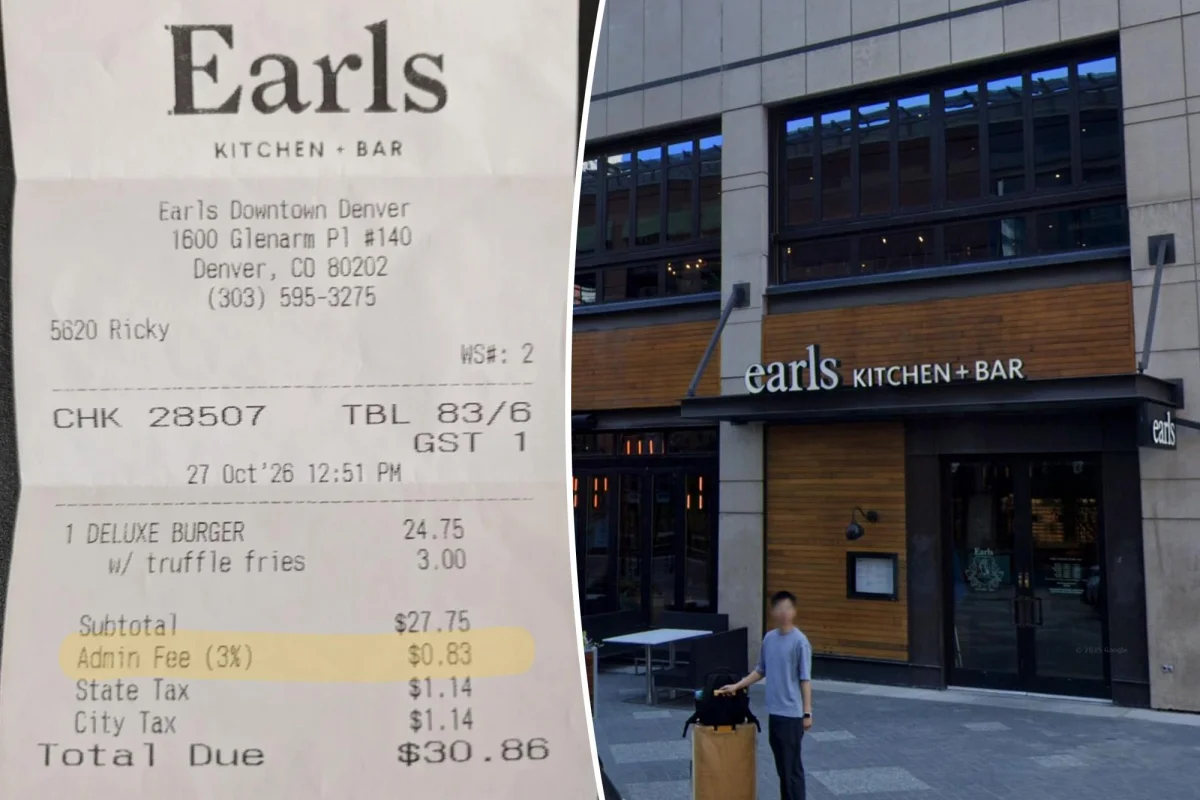
The recent introduction of a surcharge at Earls Kitchen + Bar locations across the United States has ignited a firestorm of customer reaction, turning the casual dining chain into an unexpected flashpoint in the broader debate over restaurant pricing transparency. The fee, which appears as a separate line item on guest checks, has prompted a wave of social media complaints, review bombs, and calls for boycotts, while the company maintains that the charge is a necessary response to mounting operational costs. The controversy highlights the delicate balance restaurants must strike between financial viability and customer goodwill in an era of rising inflation and shrinking profit margins.
- What Is the Earls Surcharge and Why Was It Implemented?
- Customer Backlash: Social Media Erupts
- The Company’s Defense: Transparency and Necessity
- Industry Context: The Rise of Restaurant Surcharges
- Impact on Earls’ Brand and Bottom Line
- Customer Segmentation: Who Supports the Surcharge?
- What’s Next: Legal and Regulatory Considerations
- Lessons for the Restaurant Industry
What Is the Earls Surcharge and Why Was It Implemented?
Earls Kitchen + Bar, a Vancouver-based chain with dozens of locations across Canada and the United States, quietly rolled out a surcharge at its American restaurants earlier this year. The fee, typically ranging from 3% to 5% of the total bill, is listed separately from sales tax and gratuity. According to company statements, the surcharge is designed to offset escalating costs in several key areas: food and beverage inflation, rising minimum wages in many states, and increased benefits and insurance expenses for staff. The chain has emphasized that the surcharge is not a substitute for tipping and that 100% of the proceeds go toward covering operational expenses rather than executive compensation. However, the lack of advance publicity and the generic labeling of the fee on receipts (often described simply as a ‘surcharge’ or ‘operational fee’) have left many diners confused and frustrated.
Customer Backlash: Social Media Erupts
The reaction on social media has been swift and largely negative. Diners have taken to platforms like X (formerly Twitter), Reddit, and Facebook to share photos of their receipts, many expressing shock at the additional charge. Comments range from accusations of ‘price gouging’ to vows to never return. On review sites like Yelp and Google, some Earls locations have seen a spike in one-star reviews specifically citing the surcharge, dragging down overall ratings. The hashtag #EarlsSurcharge has trended in several metropolitan areas, with users sharing memes and organizing informal boycotts. Critics argue that the fee is a sneaky way to raise prices without updating menu boards, and that it unfairly penalizes customers who may not notice the charge until the bill arrives. Others point out that the surcharge is not clearly disclosed on the menu or website, leading to feelings of deception.
The Company’s Defense: Transparency and Necessity
In response to the outcry, Earls has issued public statements and posted FAQs on its website defending the surcharge. The company argues that the fee is fully transparent, as it appears as a separate line item on every bill, and that it allows the chain to keep menu prices stable while managing volatile cost pressures. Earls has also emphasized that the surcharge is not mandatory for guests, though in practice, it is automatically added and would require a request for removal. The chain points to similar surcharges adopted by other full-service restaurants in recent years, particularly in high-cost markets like California and New York. Industry analysts note that surcharges have become increasingly common as restaurants grapple with a post-pandemic landscape marked by supply chain disruptions, labor shortages, and wage increases. However, the execution of the surcharge’s rollout, without prominent pre-announcement, has been criticized as ham-fisted, fueling the perception of a hidden fee.
Industry Context: The Rise of Restaurant Surcharges
Earls is far from alone in adopting surcharges. Across the United States, restaurants have been adding fees for everything from credit card processing to ‘kitchen appreciation’ and ‘health and wellness’ mandates. These charges, often ranging from 1% to 10%, have proliferated as operators seek to offset costs without raising base menu prices, which are highly visible and psychologically important to consumers. The practice has sparked regulatory scrutiny in some jurisdictions, with lawmakers in states like California and New York proposing legislation to require clearer disclosure of surcharges. Consumer advocacy groups argue that surcharges are deceptive because they obscure the true cost of a meal and make comparison shopping difficult. The Earls controversy is thus a case study in the broader tension between business realities and consumer expectations of transparent pricing.
Impact on Earls’ Brand and Bottom Line
The backlash could have tangible consequences for Earls, which operates in a highly competitive casual dining segment. While the chain has a loyal customer base, repeated negative publicity can erode brand equity and drive diners to competitors who either absorb costs or raise prices more transparently. Some franchisees have reportedly seen a dip in foot traffic, though it is difficult to isolate the surcharge’s effect from seasonal fluctuations. Earls has not released sales data specifically tied to the surcharge, but industry observers suggest that the chain may need to recalibrate its communication strategy or risk lasting damage. The company has begun testing more descriptive labeling on receipts, such as ‘operational cost adjustment,’ and is considering adding signage at entrances to inform guests before they are seated. These moves aim to address the perception of deception while retaining the financial benefits of the surcharge.
Customer Segmentation: Who Supports the Surcharge?
Not all customers are opposed. Some diners have come out in support of Earls, arguing that they understand the pressures facing restaurants and are willing to pay a small premium to ensure staff are well-compensated and quality is maintained. On platforms like LinkedIn, industry professionals have defended the surcharge as a necessary tool for survival. This divide reflects a broader societal split over how to handle inflation: some prioritize price transparency and fairness, while others value the sustainability of businesses and jobs. Earls’ challenge is to bridge this gap, satisfying cost-conscious diners without alienating those who appreciate the rationale behind the fee.
What’s Next: Legal and Regulatory Considerations
The surcharge controversy may also attract the attention of regulators. In some states, consumer protection laws require that all mandatory charges be disclosed upfront, and failure to do so could result in fines or class-action lawsuits. Earls maintains that its surcharge is disclosed on the bill, but the lack of pre-meal disclosure could be a legal vulnerability. Attorneys specializing in consumer law suggest that if enough complaints are filed, state attorneys general might investigate. Earls is likely monitoring the situation closely and may adjust its practices to align with emerging best practices in fee transparency. The company has not announced any plans to eliminate the surcharge, signaling that it views the fee as a permanent part of its pricing strategy.
Lessons for the Restaurant Industry
The Earls surcharge saga offers several lessons for restaurateurs. First, communication is key: introducing a surcharge without a clear explanation and advance notice invites backlash. Second, labeling matters: vague terms like ‘surcharge’ can feel like a bait-and-switch, whereas specific labels (e.g., ’employee health benefit fee’) may be more palatable. Third, consistency across locations is important to avoid confusion. Finally, listening to customer feedback and being willing to adapt can mitigate long-term damage. As the industry continues to navigate economic headwinds, the balance between profitability and customer trust will remain a central challenge. For now, Earls Kitchen + Bar finds itself in the uncomfortable position of defending a policy that many of its patrons despise, a cautionary tale for brands considering similar moves.
Source Reference (Google Trends): Latest News Updates on earls kitchen bar surcharge reaction
Frequently Asked Questions (FAQ)
What is the Earls Kitchen Bar surcharge?
The Earls Kitchen Bar surcharge is a separate fee, typically 3% to 5% of the bill, added to guest checks at Earls locations in the United States. It is intended to offset rising operational costs, including food inflation, wage increases, and benefits.
Why are customers upset about the surcharge?
Many customers feel the surcharge is a hidden fee because it is not prominently disclosed on menus or at the entrance. They argue it unfairly increases the total cost of dining and is a sneaky way to raise prices without updating menu boards.
How has Earls responded to the backlash?
Earls has defended the surcharge as a transparent line item on bills and a necessary response to cost pressures. The company has begun testing more descriptive labeling and considering additional signage to improve disclosure.
Is the surcharge legal?
Legality varies by state. Some consumer protection laws require upfront disclosure of mandatory charges. Earls maintains it discloses the fee on the bill, but the lack of pre-meal notice could invite regulatory scrutiny.
Are other restaurants adding similar surcharges?
Yes, surcharges have become increasingly common in the restaurant industry as operators grapple with inflation, labor shortages, and rising wages. Fees for credit card processing, kitchen appreciation, and health mandates have proliferated in recent years.
{“@context”:”https://schema.org”,”@type”:”FAQPage”,”mainEntity”:[{“@type”:”Question”,”name”:”What is the Earls Kitchen Bar surcharge?”,”acceptedAnswer”:{“@type”:”Answer”,”text”:”The Earls Kitchen Bar surcharge is a separate fee, typically 3% to 5% of the bill, added to guest checks at Earls locations in the United States. It is intended to offset rising operational costs, including food inflation, wage increases, and benefits.”}},{“@type”:”Question”,”name”:”Why are customers upset about the surcharge?”,”acceptedAnswer”:{“@type”:”Answer”,”text”:”Many customers feel the surcharge is a hidden fee because it is not prominently disclosed on menus or at the entrance. They argue it unfairly increases the total cost of dining and is a sneaky way to raise prices without updating menu boards.”}},{“@type”:”Question”,”name”:”How has Earls responded to the backlash?”,”acceptedAnswer”:{“@type”:”Answer”,”text”:”Earls has defended the surcharge as a transparent line item on bills and a necessary response to cost pressures. The company has begun testing more descriptive labeling and considering additional signage to improve disclosure.”}},{“@type”:”Question”,”name”:”Is the surcharge legal?”,”acceptedAnswer”:{“@type”:”Answer”,”text”:”Legality varies by state. Some consumer protection laws require upfront disclosure of mandatory charges. Earls maintains it discloses the fee on the bill, but the lack of pre-meal notice could invite regulatory scrutiny.”}},{“@type”:”Question”,”name”:”Are other restaurants adding similar surcharges?”,”acceptedAnswer”:{“@type”:”Answer”,”text”:”Yes, surcharges have become increasingly common in the restaurant industry as operators grapple with inflation, labor shortages, and rising wages. Fees for credit card processing, kitchen appreciation, and health mandates have proliferated in recent years.”}}]}