Idaho Expands Push on Immunizations and IRIS Records
Idaho health authorities are pressing residents to treat immunization as a lifelong practice rather than a childhood formality, releasing detailed guidance that maps out where vaccines can be obtained, how personal records are tracked, and why protection against certain diseases can weaken without booster doses. The material, published by the Idaho Department of Health and Welfare, lands as families statewide weigh their options for the respiratory virus season ahead, with influenza and COVID-19 shots available through private providers, public health districts, and select pharmacies.
At its foundation, the guidance defines immunization plainly: it is the process through which a person becomes protected against a disease by way of vaccination. In Idaho, a share of that protection is offered at no charge or at low cost, a detail officials say is intended to strip away financial obstacles for parents and adults who might otherwise postpone care.
- Protecting Children From Fourteen Serious Diseases
- Adult Protection Does Not Expire at Eighteen
- How Idaho Tracks Immunization Records Through IRIS
- Flu Shots: The First Line of Seasonal Defense
- Finding a COVID-19 Vaccine in Idaho
- Where Immunizations Are Offered Across the State
- Resources for Verification and School Reporting
- The Broader Public Health Calculation
Protecting Children From Fourteen Serious Diseases
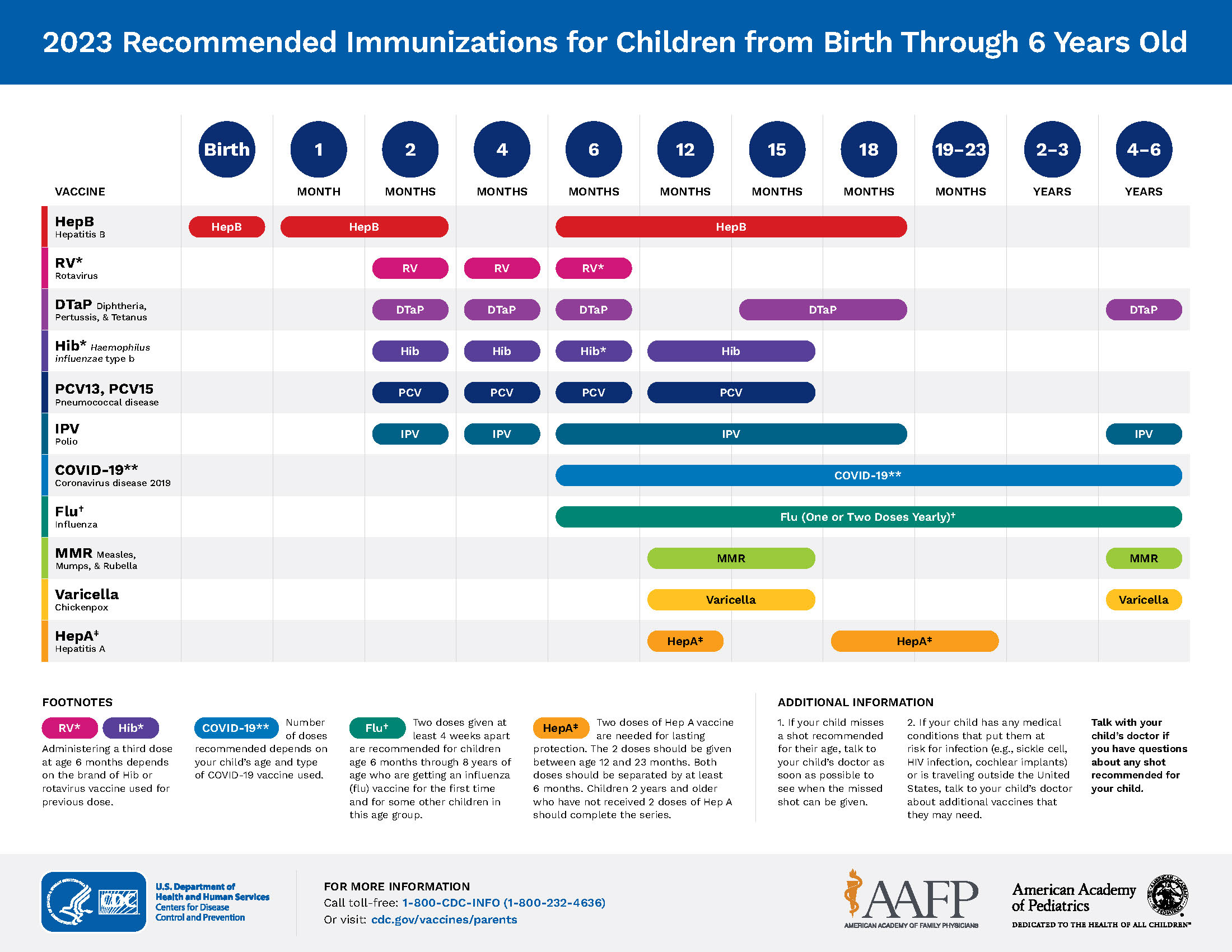
For parents, the state’s message revolves around a single figure: fourteen. Routine childhood immunizations shield babies and young children from fourteen serious diseases, and health officials describe vaccination as the most powerful defense available, one they characterize as safe, proven, and effective. The logic behind the recommendation is practical. Infants enter the world with immune systems still under development, and the illnesses covered by the standard schedule can produce complications ranging from hospitalization to lasting disability.
Parents who adhere to the recommended timeline are not protecting only their own child. High vaccination rates across a community make it harder for pathogens to circulate, which in turn shelters infants who are too young for certain doses and children whose medical conditions prevent them from being immunized at all.
Immunization Schedules by Age
The department maintains age-based immunization schedules so families and clinicians can see which doses are advised at each stage, from the earliest months of life through adolescence. Reviewing those schedules with a pediatrician remains the most dependable way to catch a missed dose before it hardens into a gap in protection.
Adult Protection Does Not Expire at Eighteen
A substantial portion of the guidance is devoted to grown-ups, and for sound reason. Immunity generated by some childhood vaccines can erode over the years, leaving adults vulnerable to illnesses they assumed were firmly in the past. Age, occupation, lifestyle, travel patterns, and underlying health conditions all shape which vaccines a person needs. Someone working in a hospital, a teacher in a crowded classroom, a traveler bound for a region where a disease is widespread, and a patient managing a chronic condition may each require a distinct set of shots.
Officials frame the point bluntly: the need for immunizations does not conclude when a person turns eighteen. Adults who ignore their own status can also become links in a transmission chain that reaches infants, older relatives, and neighbors with compromised immune systems, a dynamic that public health campaigns repeatedly stress as respiratory illnesses spread more easily indoors.
How Idaho Tracks Immunization Records Through IRIS
Behind the state’s vaccination effort sits the Immunization Reminder Information System, known as IRIS. This secure health information system holds the names and immunization histories of people who have received vaccinations in Idaho. It performs several functions simultaneously: it alerts patients when a dose is coming due, provides a permanent record that helps prevent redundant or unnecessary immunizations, and saves healthcare providers considerable time when they need to request patient records from other offices.
Access to IRIS is tightly restricted. Only authorized healthcare providers, child care providers, and schools are permitted to view the information it contains.
Opting Out Is Voluntary and Always Available
Participation in IRIS is not compulsory. Residents may withdraw at any time by contacting the Idaho Immunization Program at 208-334-5995 and requesting an opt-out form, or by completing the online opt-out form instead. Officials emphasize that the decision belongs to the individual or the parent, and that choosing to leave the registry does not affect a person’s ability to be vaccinated.
Flu Shots: The First Line of Seasonal Defense
The guidance is unambiguous about influenza: the first and most important step in preventing flu is an annual flu vaccine. Evidence cited by the department shows the vaccine reduces flu-related illness and lowers the risk of severe complications that can result in hospitalization or even death. For people who do become sick, influenza antiviral drugs offer a treatment pathway, though officials note that prevention remains the preferred approach. Clinicians and health systems have been pushing patients to schedule both flu and COVID-19 doses before the virus season crests, guidance echoed in doctor-led calls for early vaccination.
Finding a COVID-19 Vaccine in Idaho
Locating a COVID-19 vaccine is designed to be straightforward. The Vaccine Finder tool lists vaccine locations, the brands stocked at each site, and whether walk-ins are accepted or appointments are required. Residents carrying a cell phone can text their zip code to 438829 (GETVAX) to have nearby vaccine locations delivered to them, while Spanish speakers can text their zip code to 822862 (VACUNA). A national call center at 1-800-232-0233 also fields questions from the public.
Beyond digital tools, the department recommends speaking with a regular healthcare provider or contacting a local health district to arrange an appointment directly. Provider directories maintained by each district allow residents to book with a specific clinic rather than searching blindly.
Where Immunizations Are Offered Across the State
Vaccines reach Idaho residents through several channels. A person’s own healthcare provider’s office is frequently the first stop. Local public health districts serve as another pathway, and select pharmacies also administer immunizations. The department advises residents to contact their local public health district or a community health center to schedule an immunization at a time that fits their schedule.
The decentralized structure matters in a state where travel distances can be long and clinic hours vary sharply between urban centers and rural counties. Public health districts function as the connective tissue, coordinating with community health centers to keep doses within reach of families who live far from a major hospital.
Resources for Verification and School Reporting
Idaho publishes several tools for anyone who wants to confirm a record or examine vaccination trends over time. A multi-year school immunization report supplies a statewide summary, while the Idaho School Immunization Report Dashboard breaks the underlying data into finer detail. The Centers for Disease Control and Prevention offers complementary material on vaccine safety and on finding, interpreting, and recording vaccination records.
Together, these resources give parents, school administrators, and clinicians a shared reference point. Schools can verify compliance, providers can reconcile histories, and families can confirm which doses have already been logged in IRIS before scheduling another appointment.
The Broader Public Health Calculation
The department’s position rests on a straightforward epidemiological premise: vaccines work best when they are widespread. A single immunized child gains personal protection, but a fully immunized community gains something larger, a barrier that keeps outbreaks from gaining momentum. That calculus drives the emphasis on annual flu shots, on COVID-19 vaccination, and on adult boosters that many people overlook.
For Idaho residents unsure of where they stand, the recommended starting point is a conversation with a healthcare provider and a review of the age-based schedules. From there, the practical steps are simple enough: identify a nearby clinic, confirm whether an appointment is needed, bring an immunization record if one exists, and let IRIS handle the long-term tracking for those who choose to participate.
Source Reference (healthandwelfare.idaho.gov): About Immunizations
Frequently Asked Questions (FAQ)
What is IRIS in Idaho?
IRIS stands for the Immunization Reminder Information System, a secure state health information system containing the names and immunization histories of people vaccinated in Idaho. It reminds patients when doses are due, provides a permanent record, and saves providers time retrieving patient records. Only authorized healthcare providers, child care providers, and schools can access it.
Can I opt out of Idaho's immunization registry?
Yes. Participation in IRIS is voluntary. Residents can opt out at any time by calling the Idaho Immunization Program at 208-334-5995 to request an opt-out form, or by completing the online opt-out form.
Where can I get a flu or COVID-19 vaccine in Idaho?
Vaccines are available at healthcare provider offices, local public health districts, community health centers, and select pharmacies. COVID-19 vaccine locations can also be found through the Vaccine Finder tool, by texting a zip code to 438829 (GETVAX) or 822862 (VACUNA) for Spanish, or by calling 1-800-232-0233.
How many childhood diseases do routine immunizations prevent?
Idaho health officials state that routine immunization protects babies from fourteen serious childhood diseases, describing vaccination as a safe, proven, and effective defense.
{“@context”:”https://schema.org”,”@type”:”FAQPage”,”mainEntity”:[{“@type”:”Question”,”name”:”What is IRIS in Idaho?”,”acceptedAnswer”:{“@type”:”Answer”,”text”:”IRIS stands for the Immunization Reminder Information System, a secure state health information system containing the names and immunization histories of people vaccinated in Idaho. It reminds patients when doses are due, provides a permanent record, and saves providers time retrieving patient records. Only authorized healthcare providers, child care providers, and schools can access it.”}},{“@type”:”Question”,”name”:”Can I opt out of Idaho’s immunization registry?”,”acceptedAnswer”:{“@type”:”Answer”,”text”:”Yes. Participation in IRIS is voluntary. Residents can opt out at any time by calling the Idaho Immunization Program at 208-334-5995 to request an opt-out form, or by completing the online opt-out form.”}},{“@type”:”Question”,”name”:”Where can I get a flu or COVID-19 vaccine in Idaho?”,”acceptedAnswer”:{“@type”:”Answer”,”text”:”Vaccines are available at healthcare provider offices, local public health districts, community health centers, and select pharmacies. COVID-19 vaccine locations can also be found through the Vaccine Finder tool, by texting a zip code to 438829 (GETVAX) or 822862 (VACUNA) for Spanish, or by calling 1-800-232-0233.”}},{“@type”:”Question”,”name”:”How many childhood diseases do routine immunizations prevent?”,”acceptedAnswer”:{“@type”:”Answer”,”text”:”Idaho health officials state that routine immunization protects babies from fourteen serious childhood diseases, describing vaccination as a safe, proven, and effective defense.”}}]}