Illinois Tourism Sets $50.2B Spending Record
Illinois has crossed a threshold that state officials had long eyed, and the numbers behind it are reshaping how the Prairie State markets itself to the world. According to an announcement from Gov. JB Pritzker’s office, visitor spending in Illinois reached $50.2 billion last year, the first time the state has ever surpassed the $50 billion mark. The figure represents a 3.5 percent increase over the prior year and helped push the total economic impact of tourism in Illinois beyond $88 billion.
The record was fueled by roughly 115 million domestic and international travelers who moved through the state, spending on lodging, dining, attractions, transportation, and retail. State officials framed the milestone as proof that Illinois has recovered its competitive footing in a crowded national tourism marketplace, and that its marketing message is landing with travelers who have plenty of options.
A Campaign Built Around Location and Identity
Central to the growth was the state’s “Middle of Everything” tourism campaign, which the governor’s office credits with generating an additional 2.8 million trips and $904 million in visitor spending last year. The slogan leans into Illinois’ geographic position as a crossroads of the Midwest, but it also functions as a cultural claim: that the state contains multitudes, from the urban density of Chicago to the quiet expanses of the Shawnee National Forest.
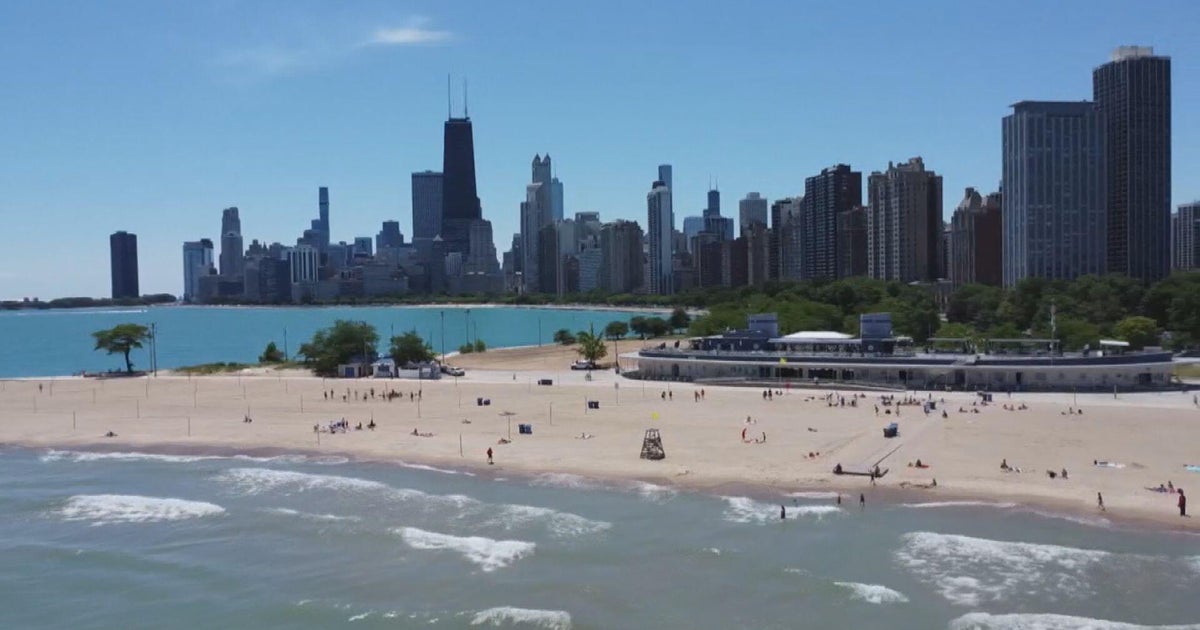
Lt. Gov. Juliana Stratton put that idea plainly in a statement accompanying the release. “We’re in the Middle of Everything and there’s something here for everyone, from the beaches of Lake Michigan to the rolling prairies of Southern Illinois,” she said. “Illinois has a rich history, culture, and natural beauty and we’re excited to welcome people from near and far to enjoy it all.”
The campaign’s performance matters because tourism advertising is a competitive sport among states, and Illinois has at times struggled to distinguish itself from neighbors with louder reputations. The 2.8 million incremental trips attributed to the campaign suggest the state’s messaging is converting interest into actual travel, a metric that tourism boards watch closely when justifying their budgets.
Tax Revenue and the Local Bottom Line
The spending surge translated into substantial public revenue. Visitor activity produced nearly $5 billion in direct state and local tax revenues for Illinois communities, along with $372 million in hotel tax revenue. Those dollars flow into municipal budgets, funding services and infrastructure that residents rely on, which is why tourism officials often describe visitor spending as an export industry that imports tax relief.
The revenue picture is especially significant for a state that has wrestled with fiscal pressures in recent years. Every dollar collected from out-of-state visitors is a dollar that local taxpayers do not have to cover, and the hotel tax figure in particular provides a dedicated stream for convention and visitors bureaus across the state.
Grants and a Route 66 Centennial
State government did not merely advertise; it also invested. More than $3.3 million in state grants were distributed in fiscal year 2025 to promote tourism projects, including the state’s Route 66 centennial celebrations and the Illinois America 250 campaign. The Route 66 anniversary carries particular weight for Illinois, since Chicago is the historic starting point of the highway that became a cultural symbol of American wanderlust.
The America 250 campaign ties state tourism to the national semiquincentennial, a moment when heritage travel is expected to spike across the country. Illinois officials appear to be positioning the state as a destination for travelers interested in history, architecture, and the stories of the communities that shaped the nation’s interior.
The tourism push also intersects with broader civic engagement efforts across the state. As officials encourage residents and visitors alike to explore Illinois, attention is turning toward the state’s role in national politics, including the upcoming midterm elections and the practical questions voters will face about when polls open and close in 2026.
Outdoor Recreation as a Growth Engine
The Department of Commerce and Economic Opportunity is expanding its focus on outdoor recreation with a dedicated unit inside its tourism office, a structural change that signals where the state sees future growth. Southern Illinois has already benefited from this shift, drawing visitors for hiking, cycling, rock climbing, and ziplining in Shawnee National Forest, as well as wine tasting along five distinct wine trails.
That emphasis on the outdoors reflects a national trend: travelers increasingly seek experiences that combine physical activity with natural scenery, and states with underused public lands are racing to capture that demand. For a region like southern Illinois, which has historically lagged behind Chicago in tourism visibility, the strategy offers a path toward economic diversification.
What the Numbers Mean for the State’s Image
Beyond the balance sheet, the record carries a reputational message. Illinois has often been defined in national media by its largest city and its fiscal challenges, but tourism officials argue the state’s appeal is broader than either narrative. The $50.2 billion spending figure, the 115 million visitors, and the $88 billion total impact give the state a data-backed story to tell in future marketing efforts.
The governor’s office has not been shy about using those numbers to bolster the state’s image. The announcement follows a pattern of economic messaging from the Pritzker administration, which has sought to highlight Illinois as a place to visit, work, and invest. The tourism figures add a consumer-facing dimension to that effort, one that reaches audiences who may never read a fiscal report but will notice a compelling travel advertisement.
For now, the state’s tourism industry enters the next cycle with momentum and a fresh set of expectations. Whether the record can be repeated will depend on factors beyond any marketing campaign, including gas prices, airfare costs, and the broader health of the national economy. But the 2025 numbers establish a new baseline, and they make clear that Illinois is no longer content to be a pass-through state for travelers headed elsewhere.
The announcement also arrives amid a period of intense public attention to safety and local governance in communities across the state, from high-profile investigations such as the Chicago Heights skeletal remains case to debates over public health policy. Tourism officials argue that a strong visitor economy helps support the public services that address those challenges, tying the state’s image to its ability to invest in itself.
Frequently Asked Questions
How much did visitors spend in Illinois last year?
Visitors spent $50.2 billion in Illinois last year, a 3.5 percent increase from the prior year and the first time the state has surpassed the $50 billion threshold.
What was the total economic impact of tourism in Illinois?
The total economic impact of tourism in Illinois exceeded $88 billion, according to the governor’s office.
How many people visited Illinois?
Approximately 115 million domestic and international tourists traveled in Illinois during the year.
How much tax revenue did tourism generate?
Visitor spending produced nearly $5 billion in direct state and local tax revenues and $372 million in hotel tax revenue.
What is the “Middle of Everything” campaign?
It is Illinois’ tourism marketing campaign, which the governor’s office credits with generating an additional 2.8 million trips and $904 million in visitor spending last year.
Source Reference (cbsnews.com): Illinois tourism hits record $50.2B in visitor spending, topping $88B in total economic impact
Frequently Asked Questions (FAQ)
How much did visitors spend in Illinois last year?
Visitors spent $50.2 billion in Illinois last year, a 3.5 percent increase from the prior year and the first time the state has surpassed the $50 billion threshold.
What was the total economic impact of tourism in Illinois?
The total economic impact of tourism in Illinois exceeded $88 billion, according to the governor's office.
How many people visited Illinois?
Approximately 115 million domestic and international tourists traveled in Illinois during the year.
How much tax revenue did tourism generate?
Visitor spending produced nearly $5 billion in direct state and local tax revenues and $372 million in hotel tax revenue.
What is the "Middle of Everything" campaign?
It is Illinois' tourism marketing campaign, which the governor's office credits with generating an additional 2.8 million trips and $904 million in visitor spending last year.