Jemima Goldsmith: I Called Police on Violent Brand
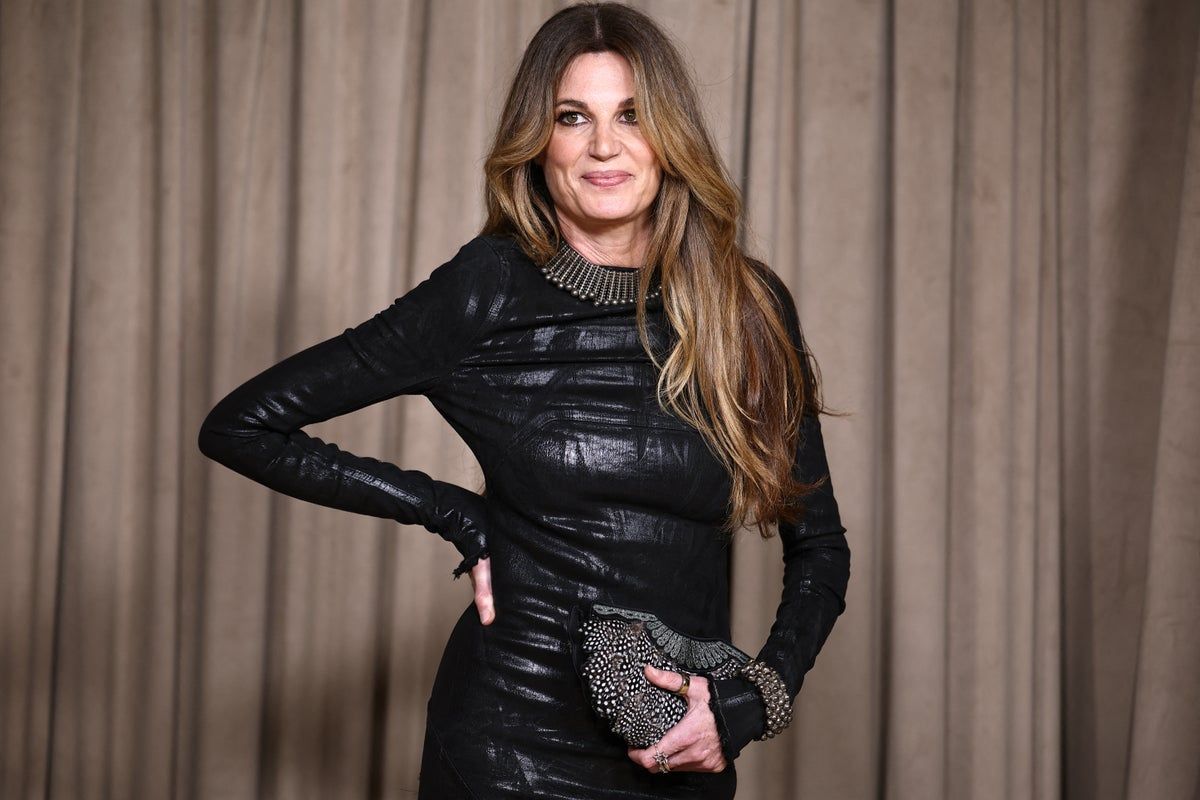
Goldsmith Breaks Silence After Brand Sentencing
Jemima Goldsmith has publicly accused her former partner Russell Brand of violence, coercive control, and abuse, disclosing that she summoned police to remove him from her home in 2014 following what she described as a violent incident. Her statement, released in the wake of Brand’s sentencing at Southwark Crown Court, adds a deeply personal dimension to a case that has already shaken the British entertainment industry and ignited a broader reckoning over celebrity accountability.
The 51-year-old socialite and campaigner said she had chosen not to press charges at the time because she feared the media storm would engulf her teenage children. Her revelation came just hours after Brand, 50, was handed a 10-and-a-half-year prison term for raping a fan and sexually assaulting three other women, a sentence that legal analysts describe as one of the most severe handed down to a British public figure in recent memory.
The 2014 Incident and the Decision Not to Prosecute
In her statement, Goldsmith described the 2014 episode as a turning point in her life, saying she had neither seen nor spoken to Brand since. She characterised the period as a difficult period in my life which has had a lasting impact
. The decision to call police, she explained, was driven by an immediate need to ensure her safety and that of her household, yet she ultimately declined to pursue a criminal complaint.
Her reasoning centred on her children, who were teenagers at the time. I was worried about the impact of the press attention on my then teenage children,
she said. The choice reflects a familiar dilemma for victims of alleged abuse by high-profile figures: the fear that publicity can be as damaging as the abuse itself. Goldsmith’s disclosure also raises questions about how many other incidents involving Brand may have gone unreported or been settled privately.
Legal experts note that coercive control, which became a criminal offence in England and Wales in 2015, was not on the statute book at the time of the 2014 incident. Goldsmith’s allegations therefore could not have been prosecuted under that specific law, though other offences such as assault would have been available. Her decision not to proceed meant the matter was never tested in court.
Praise for the Victims and Years of Behind-the-Scenes Assistance
Goldsmith used her statement to praise the women who testified against Brand, describing their courage as extraordinary. She also revealed that she had quietly assisted journalists investigating Brand’s conduct for several years, providing background information and corroboration as reporters pieced together allegations that eventually formed the basis of the criminal case.
That behind-the-scenes role places Goldsmith among a small group of former partners and associates who helped document a pattern of behaviour long before the matter reached the courts. Investigative journalism played a pivotal role in bringing Brand’s conduct to public attention, with several outlets publishing detailed accounts from multiple women. Goldsmith’s cooperation with those investigations, now made public, underscores how private testimony can bolster public accountability.
Her statement did not detail the nature of the assistance she provided, but sources familiar with the reporting process say former partners were approached as part of efforts to corroborate timelines and patterns of control. The sentencing judge, in remarks during the hearing, referenced the systematic nature of Brand’s offending, which spanned years and involved multiple victims.
Brand’s Sentence and the Legal Fallout
Brand was sentenced at Southwark Crown Court after being convicted of raping a fan and sexually assaulting three women. The 10-and-a-half-year term reflects the gravity of the offences, which the court heard involved manipulation, coercion, and abuse of power. Brand, once one of Britain’s most recognisable comedians and broadcasters, now faces a lengthy period behind bars and likely further legal challenges from other complainants.
The case has prompted renewed scrutiny of the entertainment industry’s handling of abuse allegations, particularly those involving charismatic public figures who wield significant cultural influence. Advocacy groups have pointed to the sentence as a signal that celebrity status offers no shield in the criminal justice system, though they caution that many victims still face daunting obstacles in coming forward.
The political and cultural backdrop to the case is also notable. As public discourse around accountability intensifies, broader political shifts are being watched closely; recent reports suggest that Democrats could capture Congress in the 2026 midterms, a development that could reshape legislative priorities around victims’ rights and media regulation. Meanwhile, the media landscape itself remains under scrutiny, with high-profile broadcast contracts and talent decisions drawing attention, as seen in coverage of Troy Aikman’s broadcasting future.
A Long Road to Accountability
For Goldsmith, the sentencing marks the end of a chapter she has largely kept private for over a decade. Her decision to speak now, after years of silence, suggests a desire to set the record straight and to support the women whose testimony secured Brand’s conviction. It also serves as a reminder that the consequences of abuse extend far beyond the immediate victims, affecting families, children, and partners who often bear the burden in silence.
The disclosure may encourage other former partners of powerful figures to come forward, though the risks of publicity remain substantial. Support organisations have emphasised that victims should be able to report abuse without fear of media intrusion, and Goldsmith’s case illustrates why many choose to stay quiet.
As Brand begins his sentence, the focus now shifts to the broader questions his case raises: how institutions respond to allegations, how the media handles sensitive reporting, and how the justice system can better protect those who fear the spotlight as much as they fear their abuser. Goldsmith’s statement, brief but searing, ensures that the conversation will continue.
Source Reference (inkl.com): Jemima Goldsmith says she called police on 'violent' ex Russell Brand
Frequently Asked Questions (FAQ)
What did Jemima Goldsmith accuse Russell Brand of?
She accused him of violence, coercive control, and abuse, and said she called police to remove him from her home in 2014 after a violent incident.
Why did Jemima Goldsmith not press charges in 2014?
She said she was worried about the impact of press attention on her then teenage children.
What sentence did Russell Brand receive?
Brand was sentenced to 10-and-a-half years in prison at Southwark Crown Court for raping a fan and sexually assaulting three women.
Has Jemima Goldsmith had contact with Brand since 2014?
No, she stated she has not seen or spoken to him since the 2014 incident.
{“@context”:”https://schema.org”,”@type”:”FAQPage”,”mainEntity”:[{“@type”:”Question”,”name”:”What did Jemima Goldsmith accuse Russell Brand of?”,”acceptedAnswer”:{“@type”:”Answer”,”text”:”She accused him of violence, coercive control, and abuse, and said she called police to remove him from her home in 2014 after a violent incident.”}},{“@type”:”Question”,”name”:”Why did Jemima Goldsmith not press charges in 2014?”,”acceptedAnswer”:{“@type”:”Answer”,”text”:”She said she was worried about the impact of press attention on her then teenage children.”}},{“@type”:”Question”,”name”:”What sentence did Russell Brand receive?”,”acceptedAnswer”:{“@type”:”Answer”,”text”:”Brand was sentenced to 10-and-a-half years in prison at Southwark Crown Court for raping a fan and sexually assaulting three women.”}},{“@type”:”Question”,”name”:”Has Jemima Goldsmith had contact with Brand since 2014?”,”acceptedAnswer”:{“@type”:”Answer”,”text”:”No, she stated she has not seen or spoken to him since the 2014 incident.”}}]}