New York Subway: Inside the World’s Largest Metro Network
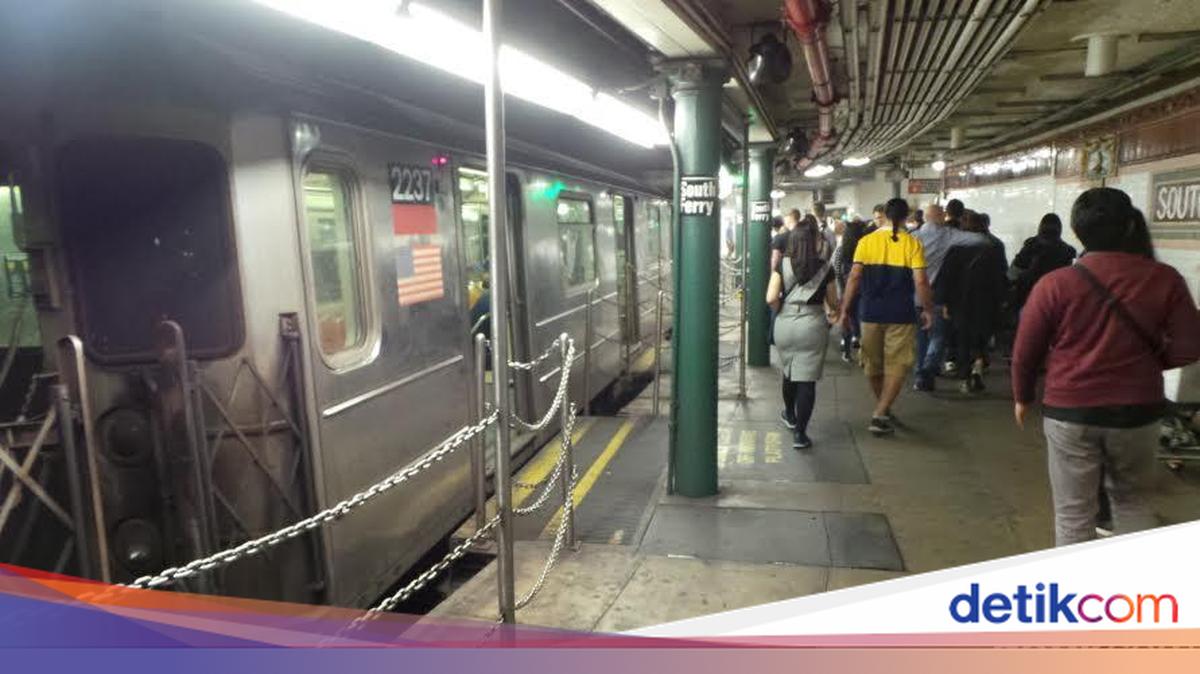
NEW YORK: Long before dawn breaks over Manhattan, a parallel city stirs into motion several storeys beneath the pavement. Trains glide through tunnels that stay hidden from the weather, carrying workers, students, tourists and night-shift staff across a network so vast that it holds the title of the largest rapid transit system on the planet. The New York Subway, with 34 routes and 469 stations, does not merely serve the city. It is the circulatory system that keeps one of the world’s busiest metropolises alive.
Planners in the United States recognised the need for underground travel as early as the start of the twentieth century. The logic was straightforward: if passengers could be moved below the streets, they would never compete with carts, trams and, later, automobiles for surface space. Construction on the system began in 1904, and the lines have been extended, re-routed and refurbished ever since.
From One Tunnel to an Empire of 469 Stations
What began as an experiment has grown into a sprawling web. Of the 469 stations in operation today, the greatest concentration sits in Manhattan, the island borough that remains the commercial heart of New York City. From there, tracks reach into the residential and industrial districts of Queens, Brooklyn and The Bronx. Staten Island, separated from the rest of the network both geographically and administratively, has no subway line at all.
Riders rarely pause to consider the scale of the machine beneath them. They step off a sidewalk, descend a staircase and emerge minutes later in another neighbourhood, another borough or an entirely different world. That blend of density and reach places the system in the same bracket as the metro networks of Beijing, Seoul, Shanghai, Moscow, Tokyo and Guangzhou, cities routinely counted among the busiest transit environments anywhere on earth.
A Crowded Weekend in April 2016
During visits on Friday and Saturday, 23 and 24 April 2016, the depth of that demand was impossible to miss. Platforms filled from early morning and stayed packed deep into the evening, with commuters, shoppers and visitors flowing in both directions. Trains do run through the small hours, but frequency drops sharply, leaving the late-night network noticeably thinner than the daytime operation.
One of the most practical features for travellers is the freedom to combine routes. A passenger can switch from one line to another, or string several together, without paying an extra fare. New Yorkers typically rely on unlimited-ride passes, priced according to the deposit placed on the card. Visitors can simply buy a single trip for USD 3.
Green Machines and the Art of Self-Service
Purchasing that ticket is almost entirely automated. The machines on the concourse resemble the old green vending units once used for soft drinks, complete with instructions printed on the front panel. Despite the dated appearance, the technology inside is fast: the unit reads banknotes on contact and returns change, so passengers never need to carry the exact amount.
With a ticket in hand, the rider walks directly to the platform. Staff presence is limited both at the entrance and below, which places responsibility squarely on the traveller. Reading the signs, checking the destination and confirming the direction of travel all matter, because there is seldom an employee nearby to correct a mistake.
Punctual, Swift and Free of Level Crossings
Inside the carriage, the experience feels familiar to anyone who has ridden a commuter rail line, although the etiquette differs. Passengers do not automatically sit down, even when plenty of seats are free. “Please, I have two more stations. No need to sit,” said a rider named Steven. Another man, dressed smartly for the office, offered a different reason for standing through a long trip: “I have been sitting at my desk all day.”
The other major difference is reliability. Delays are rare. With a high volume of trains and no contact with surface traffic, the subway operates in a world of its own, averaging 27 km/h and reaching a top speed of 55 km/h. Because New York has no level crossings on the network, trains never create the congestion knots that form when rail and road traffic must share a single point.
Part of the City’s Daily Rhythm
For visitors, the system doubles as an attraction. Riders surface directly into theatre districts, museum quarters, stadiums and waterfront parks. When the NBA season tips off, crowds reach Manhattan arenas by train rather than by car, and the same pattern holds across the city’s nightly entertainment calendar, including the prime-time New York lineup that draws viewers and production crews into the boroughs. The subway quietly underpins all of it.
That role has shaped the physical city as much as the transport map. Businesses cluster around station entrances, property values shift with new stops, and neighbourhoods once considered remote become commuter suburbs the moment a line arrives. Few infrastructure projects anywhere have left a deeper mark on the daily habits of so many people.
Lessons for Cities Still Digging
Jakarta, the Indonesian capital, is still in the early stages of that journey. Its MRT tunnel project is under construction, and whether it will match the efficiency of New York remains an open question. The New York example suggests the answer lies less in the tunnels themselves than in the operating philosophy behind them: frequent service, integrated fares, lean staffing and complete separation from surface traffic.
None of it happened quickly. The network needed more than a century to reach 469 stations, surviving bankruptcies, strikes, crime waves and severe weather along the way. What it proves is that a city willing to commit to underground transit across generations can eventually move millions of people every day without a single one of them touching a crowded street.
For the traveller standing on a platform in Manhattan, the appeal is simpler still. A three-dollar fare, a train that almost never runs late and a destination anywhere from the Bronx to Brooklyn. The subway is not only how New Yorkers get around. It is how New York works.
Source Reference (news.detik.com): Menikmati New York Subway, Kereta Bawah Tanah dengan Jaringan Terluas di Dunia
Frequently Asked Questions (FAQ)
How many routes and stations does the New York Subway operate?
The system runs 34 routes every day across a total of 469 stations, making it the largest metro network in the world by station count.
When did construction of the New York Subway begin?
Work on the underground system started in 1904, after American planners concluded that passenger rail needed to be separated from surface traffic.
How much does it cost to ride the New York Subway?
Visitors can buy a single trip for USD 3. Local residents usually rely on unlimited-ride passes, priced according to the deposit loaded onto the card, and transfers between routes cost nothing extra.
Does the New York Subway serve Staten Island?
No. The 469 stations are concentrated mainly in Manhattan, with lines also reaching Queens, Brooklyn and The Bronx. Staten Island has no subway line in operation.
How fast do New York Subway trains travel?
Trains average about 27 km/h and can reach a top speed of 55 km/h, a pace made possible by the absence of level crossings and surface traffic conflicts.
{“@context”:”https://schema.org”,”@type”:”FAQPage”,”mainEntity”:[{“@type”:”Question”,”name”:”How many routes and stations does the New York Subway operate?”,”acceptedAnswer”:{“@type”:”Answer”,”text”:”The system runs 34 routes every day across a total of 469 stations, making it the largest metro network in the world by station count.”}},{“@type”:”Question”,”name”:”When did construction of the New York Subway begin?”,”acceptedAnswer”:{“@type”:”Answer”,”text”:”Work on the underground system started in 1904, after American planners concluded that passenger rail needed to be separated from surface traffic.”}},{“@type”:”Question”,”name”:”How much does it cost to ride the New York Subway?”,”acceptedAnswer”:{“@type”:”Answer”,”text”:”Visitors can buy a single trip for USD 3. Local residents usually rely on unlimited-ride passes, priced according to the deposit loaded onto the card, and transfers between routes cost nothing extra.”}},{“@type”:”Question”,”name”:”Does the New York Subway serve Staten Island?”,”acceptedAnswer”:{“@type”:”Answer”,”text”:”No. The 469 stations are concentrated mainly in Manhattan, with lines also reaching Queens, Brooklyn and The Bronx. Staten Island has no subway line in operation.”}},{“@type”:”Question”,”name”:”How fast do New York Subway trains travel?”,”acceptedAnswer”:{“@type”:”Answer”,”text”:”Trains average about 27 km/h and can reach a top speed of 55 km/h, a pace made possible by the absence of level crossings and surface traffic conflicts.”}}]}