Six Signs Your Dog Is Still a Puppy at Heart, Vets Say
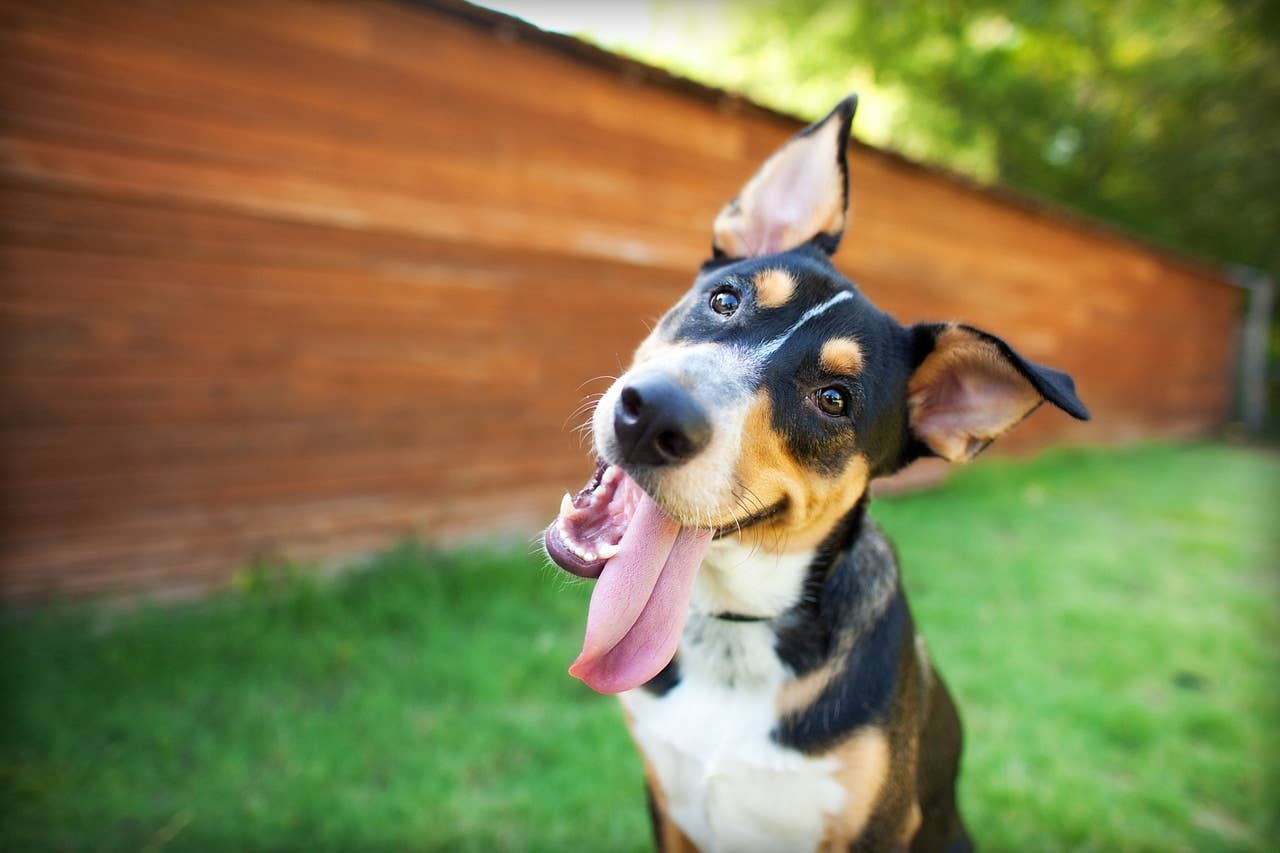
Some dogs never truly grow up, and veterinarians say that is less a flaw than a temperament. Dr. Hilary Humm-Beatty, DVM, a veterinarian at Embrace Pet Insurance, argues that a meaningful number of canines keep what she describes as the soul of a puppy long after their first birthday, and sometimes deep into old age. The distinction matters for anyone choosing a breed, planning a training schedule, or wondering why a five-year-old Labrador still greets every morning as if it were the first day at the park.
Her assessment, shared in a report first published by Parade Pets on Oct. 23, 2026, reframes a familiar question. Owners regularly ask whether dogs retain their puppy personality as they age. For certain breeds and bloodlines, the answer is a straightforward yes, and the behaviors that give it away are visible to anyone paying attention.
The Temperament Behind the Label
Dr. Humm-Beatty characterizes these dogs as fun-loving, high-energy animals that are perpetually ready for a romp around the house with a squeaky toy, a playdate with children or canine friends, or a long hike. She points to the way such a dog communicates: bright eyes, a busy mind, and a tail and body that wag together. “It is amazing to have a dog who is always ready for an adventure and play,” she said.
That profile suits some households far better than others. Families that hike, run, or spend weekends outdoors tend to thrive with a perpetual puppy. Quieter homes may find the same energy exhausting. Neither outcome reflects a training failure, and recognizing the mismatch early spares both owner and animal a difficult adjustment later.
Breed matters, but it is not the whole story. Puppy-like behavior in adult dogs varies widely, and Dr. Humm-Beatty notes that large and giant breeds, terriers, and athletic, high-drive working dogs are the most frequent offenders. The rest comes down to individual personality, which is why she frames the trait as something owners observe rather than something a pedigree guarantees.
Six Signs Your Dog Is Still a Puppy Inside
1. Maturation Arrived Late
Slow development is the clearest signal, and it is not an insult. Labrador Retrievers, Golden Retrievers, and their mixes commonly mature on a longer timeline than many owners expect, holding onto high play drive and curiosity well past the twelve-month mark. Dr. Humm-Beatty’s guidance for these dogs is direct: keep up exercise and formal training well beyond the first birthday so that boredom does not harden into behavioral problems.
That extended adolescence can be delightful and demanding in equal measure. A two-year-old retriever that still bounces at the sight of a leash is not being stubborn. It is running on a clock its genetics set.
2. Adventure Never Loses Its Pull
A dog with a young soul has, in her words, boundless energy to see the fun through to the end. That could mean trailing a pack of children around the yard all afternoon during a mud pie operation, or powering up a mountain trail without complaint. Retrievers, Border Collies, Australian Shepherds, Cattle Dogs, and Pointers, along with their mixes, sit squarely in this category.
3. There Is Always a Project Underway
Curious, clever dogs manufacture their own entertainment, and terriers and cattle dogs are repeat offenders. Mental stimulation keeps those brains occupied with legitimate challenges rather than improvised ones. Interactive puzzles and treat-dispensing toys channel the impulse, turning potential destruction into what Dr. Humm-Beatty calls controlled mischief. A pocket of high-value rewards helps enormously, and even the humble hot dog carries a longer cultural history than most owners realize.
4. Attention Is the Point
Perpetual puppies perform. They seize a sock and parade it in front of the room, bark in the middle of an obedience class for no reason beyond visibility, or shadow their owner from room to room in case a game breaks out. None of this is defiance. It is a request for engagement, and it tends to intensify in dogs that have learned attention arrives on demand.
5. Play Drive Never Fully Powers Down
Working, sporting, and terrier breeds are the usual suspects, continuing puppy behavior far beyond traditional puppyhood. These dogs fit active families able to supply the play, exercise, and activity they crave, and they repay that investment with stamina and visible eagerness. Placed in a sedentary home, the same drive turns inward and finds less welcome outlets.
6. Enthusiasm Is Written All Over the Body
The final tell is physical. Bright eyes, a busy mind, and a tail that wags the entire rear end signal a dog that has never filed away its joy. Owners frequently describe the effect as living with a fountain of youth, a companion whose default setting is anticipation rather than rest.
How Much Exercise Is Actually Enough?
Dr. Humm-Beatty recommends 60 to 90 minutes of intentional exercise daily for dogs carrying this much drive, plus training classes that continue past the one-year mark. Home training sessions, puzzle activities, and doggie playdates can fill the remainder of the day. The precise number varies by individual animal, but the underlying principle is consistent: engage both body and brain.
Structure cuts both ways. An under-stimulated herding dog invents jobs, and those jobs are rarely ones owners approve of. A well-exercised one settles. Owners who track their dog’s behavior for a week typically spot the pattern quickly, linking destructive episodes to skipped walks or rainy days indoors.
The Rest Most Owners Overlook
Zoomies can be misread. When a dog tears around the living room, the instinct is to add another walk or another round of fetch. Often the opposite is needed. “Sometimes we think they just need more activity when they’re excited and having the zoomies, but often they need a quiet place to rest and settle,” Dr. Humm-Beatty said.
The insight matters because chronic over-arousal looks a great deal like excess energy. A crate, a quiet room, or a designated mat gives an overstimulated dog permission to power down. Owners who build rest into the daily routine frequently report calmer evenings without cutting a single minute of exercise.
What It Means for Adopters and Shelters
The practical takeaway cuts in two directions. Households searching for an energetic companion should look seriously at retrievers, herding breeds, pointers, and terriers, accepting that the puppy phase may stretch years beyond the calendar. Households seeking calm should look elsewhere, or budget for serious daily exercise and professional training from the start.
Shelters see the consequences when a slow-maturing adolescent is surrendered as unmanageable at eighteen months, an age when many of these breeds are barely getting started. Education at the point of adoption, including honest guidance about exercise requirements and the likelihood of prolonged playfulness, can keep dogs in homes through the difficult stretch.
Read correctly, the signs are not warnings. They describe a dog doing exactly what its genetics intended, and they give owners a roadmap for keeping that enthusiasm healthy rather than suppressed.
Source Reference (aol.com): Is Your Dog Secretly Still a Puppy? Vets Say These 6 Signs Give It Away
Frequently Asked Questions (FAQ)
Do dogs keep their puppy personality as they get older?
Yes, for some dogs. Dr. Hilary Humm-Beatty of Embrace Pet Insurance says certain canines retain a puppy-like temperament regardless of age, particularly large and giant breeds, terriers, and athletic, high-drive working dogs.
Which breeds mature the most slowly?
Labrador Retrievers, Golden Retrievers, and their mixes are among the breeds that tend to mature on a longer timeline, keeping a high play drive and curiosity well past their first birthday.
How much exercise does a puppy-at-heart dog need?
Dr. Humm-Beatty suggests 60 to 90 minutes of intentional exercise daily, along with training classes that continue past one year of age, puzzle activities, and playdates with other dogs.
Are zoomies a sign my dog needs more exercise?
Not always. Dr. Humm-Beatty notes that excited, zooming dogs often need a quiet place to rest and settle rather than additional activity, since over-arousal can mimic surplus energy.
Who is Dr. Hilary Humm-Beatty?
She is a Doctor of Veterinary Medicine and veterinarian at Embrace Pet Insurance who provided the behavioral analysis behind the report, originally published by Parade Pets on Oct. 23, 2026.