Sri Lanka vs Pakistan: T20 World Cup Live Streaming Guide
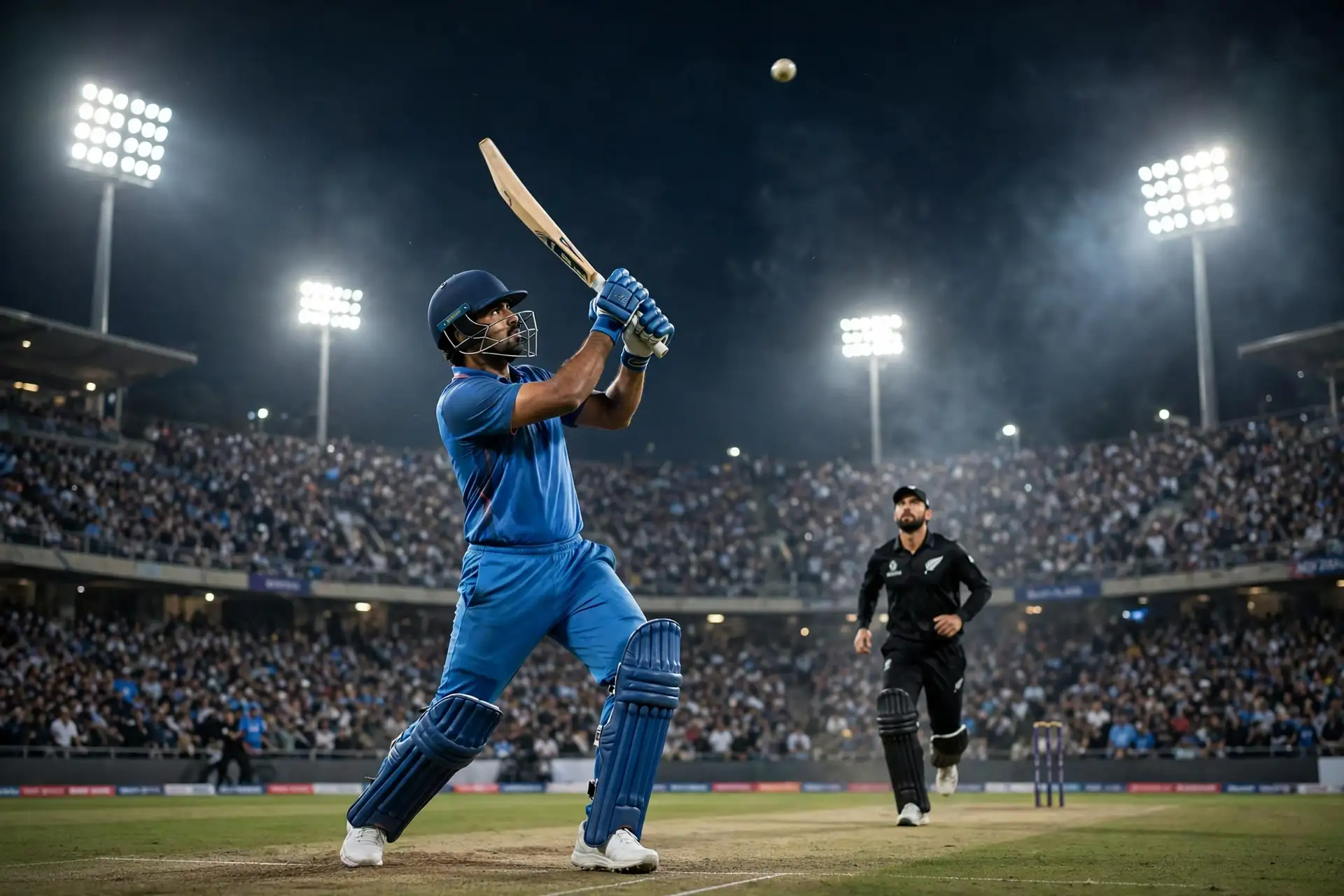
Pallekele International Cricket Stadium, the tree-lined arena tucked into the hills outside Kandy, provides the setting for one of the T20 World Cup 2026’s most keenly awaited group fixtures: Sri Lanka against Pakistan. The two Asian sides share a long and prickly rivalry, a history of knockout punches and last-over finishes, and this tournament hands them another chapter on Sri Lankan soil. For the thousands who cannot squeeze into the stands, the contest is available across television networks and digital platforms, with the host broadcaster’s feed carried around the world and streaming services offering ball-by-ball coverage on mobile, tablet and desktop.
Match details at a glance
- Fixture: Sri Lanka vs Pakistan, T20 World Cup 2026 group stage
- Venue: Pallekele International Cricket Stadium, Kandy
- Format: Twenty20 international, 20 overs per side
- Start: Evening fixture, with the first ball scheduled for prime time in the subcontinent and pre-match build-up beginning roughly an hour before the toss
- Conditions: Warm and humid, with dew likely to shape the second innings
The scheduling is deliberate. Sri Lanka’s hill-country venue has hosted some of the country’s most electric white-ball nights, and a Pakistan visit guarantees a packed house, a drum-heavy atmosphere and a pitch that tends to keep captains guessing right up to the toss.
How to watch on television and online
In India, the ICC’s broadcast arrangements place the World Cup on the Star Sports network, whose channels carry English and Hindi commentary feeds alongside regional language options. Streaming runs in parallel on Disney+ Hotstar, which hosts the live feed on mobile and desktop, with additional camera angles and analysis available to subscribers. Cable and direct-to-home operators carry the same coverage, so viewers without a streaming plan are not left out.
Coverage across the subcontinent
In Pakistan, the match is carried by the national broadcaster working alongside the ICC’s appointed rights holder, with Urdu commentary leading the presentation. Sri Lankan audiences receive the host feed through the local rights partner, and free-to-air highlights packages follow later in the evening. Digital scorecards, ball-by-ball commentary and short-form clips fill the gaps for anyone listening on the move or following from an office desk.
Following the match from further afield
Supporters in the Gulf, the United Kingdom, Australia and North America access the game through their own regional rights holders, all of whom take the same world feed. Time zones do the rest of the work: an evening start in Kandy lands in the afternoon across Europe and the Gulf, and in the morning for audiences on the east coast of the United States. Fantasy players should note that team line-ups usually drop at the toss, roughly half an hour before the first ball.
Why Pallekele rewards nerve over reputation
The venue is not a batter’s paradise in the way some Indian grounds are. The surface generally offers early seam movement under lights, true bounce for the quicker men, and then grips and turns as the evening wears on. Square boundaries are short enough that a set batter can clear them, but the longer straight boundaries demand timing rather than brute force. Dew is the wildcard. Captains who win the toss must weigh the advantage of chasing against the risk of their spinners losing grip on a wet ball in the second innings. Historically, sides have preferred to bat first and defend with the slower bowlers, though the trend has softened in recent years as chasing sides have grown bolder.
Sri Lanka’s home blueprint
Sri Lanka’s white-ball thinking revolves around a top order that mixes accumulation with invention. Pathum Nissanka has matured into a reliable anchor at the top, Kusal Mendis offers the counter-attacking option, and Charith Asalanka’s leadership group has leaned on flexibility in the middle overs. Kamindu Mendis gives the side a left-field angle with his dual skills, while Wanindu Hasaranga remains the central figure with ball in hand, a leg-spinner who bowls in the powerplay, defends at the death and bats high enough to change a total. Maheesh Theekshana’s mystery off-spin and Matheesha Pathirana’s slingy pace give Asalanka contrasting tools for the middle and closing overs.
Home conditions amplify all of it. Sri Lanka’s selectors have consistently picked sides built for Pallekele and Colombo rather than for flat overseas tracks, and the result is a squad comfortable bowling under pressure with fielders stationed deep on both sides of the pitch.
Pakistan’s counterpunch
Pakistan arrive with a familiar shape: Babar Azam anchoring, Mohammad Rizwan controlling the middle, and a pace attack led by Shaheen Shah Afridi that can swing the new ball and close out an innings with yorkers. Haris Rauf’s raw speed through the middle overs is a genuine weapon on a surface with bounce, while the spin department offers both wrist spin and finger spin depending on match-ups. Saim Ayub’s left-handed aggression at the top has become central to how Pakistan want to bat in the powerplay, and Fakhar Zaman remains the kind of hitter who can take a game away in six overs.
Form has been uneven, and the white-ball reset has produced plenty of debate, as our breakdown of Pakistan versus England ODI planning showed during the last bilateral window. What has not changed is the side’s capacity to raise its level against Sri Lanka, an opponent it knows intimately and has beaten in tight knockout scenarios before.
Head-to-head and recent history
Pakistan hold the edge in overall T20 international meetings, but the margin narrows sharply in Sri Lanka, where the hosts have repeatedly used spin and dew to flip the script. The two sides have met in Asia Cup finals, in World Cup group games and in bilateral series that swung on a single over. Earlier this year they opened a home tri-series against each other, a match previewed in our tri-series opener live guide, and that contest offered a useful read on how both teams structure their bowling at the death.
The pattern across recent meetings is consistent: Pakistan win when their quicks strike inside the first six overs, Sri Lanka win when their spinners take wickets through the middle. Neutralising that binary is the tactical puzzle both dressing rooms have spent the week trying to solve.
What is at stake in the group
Group-stage mathematics matter in a tournament that packs so many teams into a short window. A win here does more than add two points. It buys net run rate breathing room, eases the pressure of a later fixture against a stronger opponent, and shapes the qualification path into the Super Eight. A loss leaves a side needing results elsewhere to fall its way, a scenario every coach wants to avoid in the opening week.
For Sri Lanka there is also the broader point of defending home turf in a World Cup they co-host, with crowds expecting a deep run. For Pakistan, a strong start would quiet the noise that follows the team through every major tournament and give an inexperienced middle order room to grow.
Players to watch
Hasaranga against Babar is the headline duel. The leg-spinner has dismissed Babar in international cricket before and will target the stumps with the wrong one. Shaheen against Nissanka in the powerplay is the other defining match-up, because early swing under Pallekele lights has produced top-order collapses. Pathirana’s slinging yorkers against Rizwan’s leg-side preference late in the innings may decide the final five overs, and Asalanka’s use of his two spinners through the middle could be the most consequential captaincy call of the night.
The bottom line
This is a fixture that rarely disappoints. Expect a slow, gripping surface, a total somewhere in the region of 160 to 180, and a finish that keeps supporters on both sides of the Pallekele grass banks standing until the last ball. Toss at half an hour before the start, first ball in prime time, and the whole contest available on television and online for anyone who cannot make the trip to Kandy.
Source Reference (news18.com): Sri Lanka Vs Pakistan Live Streaming, T20 World Cup 2026: When And Where To Watch SL-PAK Coverage On TV And Online
Frequently Asked Questions (FAQ)
Where is the Sri Lanka vs Pakistan T20 World Cup 2026 match being played?
The match is being played at the Pallekele International Cricket Stadium in Kandy, Sri Lanka, one of the venues hosting the tournament's Sri Lankan leg.
How can viewers in India watch the match live?
Television coverage runs on the Star Sports network in English and Hindi, while the live stream is available on Disney+ Hotstar for mobile, tablet and desktop users.
What time does the match start?
It is an evening fixture, with the first ball in prime time for subcontinent audiences and broadcast build-up beginning about an hour before the toss.
Why is the toss so important at Pallekele?
Dew arrives in the second innings, making the ball wet and harder for spinners to grip, while early seam movement under lights helps the fast bowlers. Captains must weigh chasing against the risk of losing spin control.
Who are the key players to watch?
Wanindu Hasaranga, Pathum Nissanka and Matheesha Pathirana lead Sri Lanka's challenge, while Babar Azam, Shaheen Shah Afridi, Mohammad Rizwan and Saim Ayub carry Pakistan's hopes.
{“@context”:”https://schema.org”,”@type”:”FAQPage”,”mainEntity”:[{“@type”:”Question”,”name”:”Where is the Sri Lanka vs Pakistan T20 World Cup 2026 match being played?”,”acceptedAnswer”:{“@type”:”Answer”,”text”:”The match is being played at the Pallekele International Cricket Stadium in Kandy, Sri Lanka, one of the venues hosting the tournament’s Sri Lankan leg.”}},{“@type”:”Question”,”name”:”How can viewers in India watch the match live?”,”acceptedAnswer”:{“@type”:”Answer”,”text”:”Television coverage runs on the Star Sports network in English and Hindi, while the live stream is available on Disney+ Hotstar for mobile, tablet and desktop users.”}},{“@type”:”Question”,”name”:”What time does the match start?”,”acceptedAnswer”:{“@type”:”Answer”,”text”:”It is an evening fixture, with the first ball in prime time for subcontinent audiences and broadcast build-up beginning about an hour before the toss.”}},{“@type”:”Question”,”name”:”Why is the toss so important at Pallekele?”,”acceptedAnswer”:{“@type”:”Answer”,”text”:”Dew arrives in the second innings, making the ball wet and harder for spinners to grip, while early seam movement under lights helps the fast bowlers. Captains must weigh chasing against the risk of losing spin control.”}},{“@type”:”Question”,”name”:”Who are the key players to watch?”,”acceptedAnswer”:{“@type”:”Answer”,”text”:”Wanindu Hasaranga, Pathum Nissanka and Matheesha Pathirana lead Sri Lanka’s challenge, while Babar Azam, Shaheen Shah Afridi, Mohammad Rizwan and Saim Ayub carry Pakistan’s hopes.”}}]}