Starbucks ‘Sugar-Free’ Protein Drinks Face Class Action
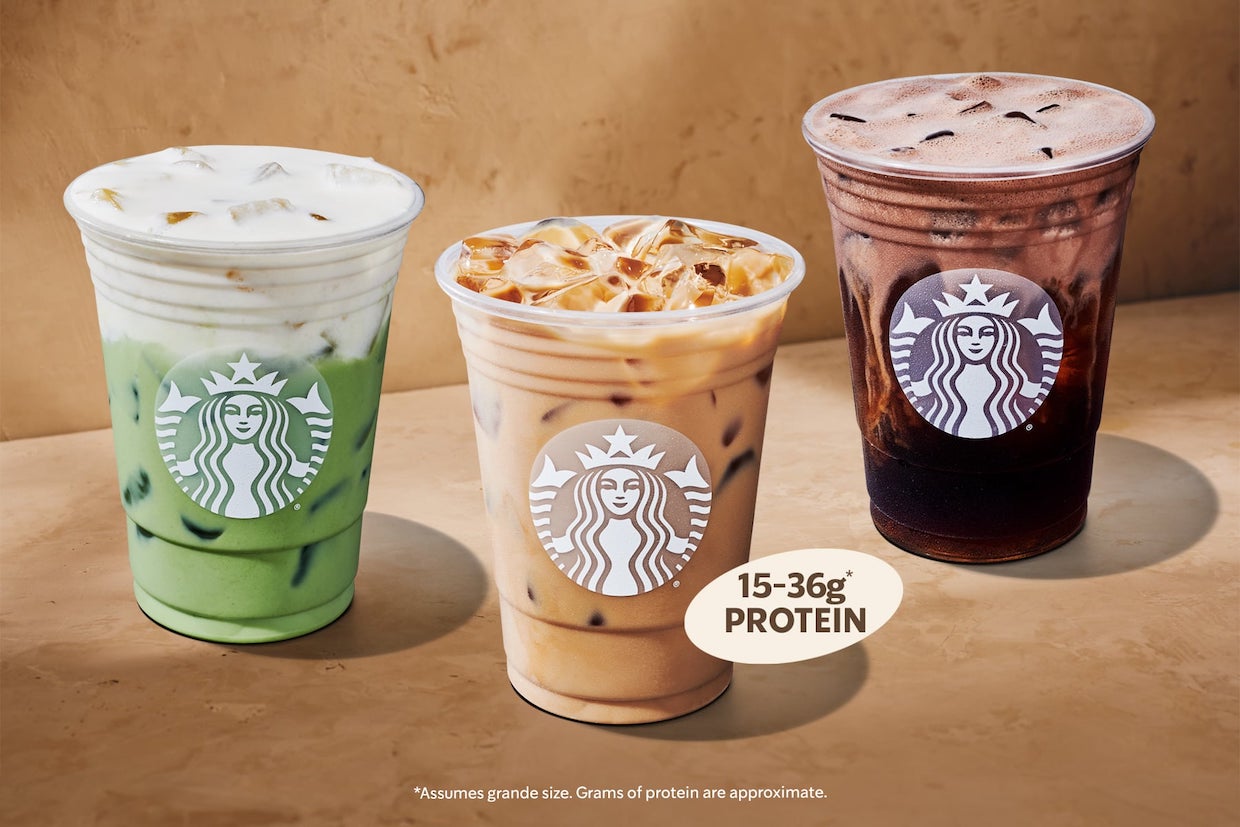
Starbucks is facing a proposed class-action lawsuit that accuses the coffee chain of stamping “Sugar-Free” labels on eight protein lattes and matchas that in fact deliver between 13 and 21 grams of sugar in a large, or venti, cup.
The complaint was filed on Oct. 2 in the U.S. District Court for the Western District of Washington at Seattle. It names the Seattle-based company as the sole defendant, asks for a jury trial and seeks certification as a class action on behalf of buyers of the drinks.
At the center of the fight is a distinction food lawyers have litigated for years: the gap between a beverage made without added sweeteners and one that contains no sugar at all.
The Eight Beverages Under Scrutiny
The filing targets the hot and iced versions of four drinks sold under Starbucks’ protein banner: the Sugar-Free Vanilla Protein Latte, the Sugar-Free Caramel Protein Latte, the Sugar-Free Vanilla Protein Matcha and the Sugar-Free Caramel Protein Matcha. Four flavors multiplied by two serving temperatures produce the eight products cited in the court papers.
Each is made with milk, and milk contains lactose, a sugar that occurs naturally rather than being poured in from a bag or a flavored syrup. That naturally present sugar, the plaintiffs contend, makes the “Sugar-Free” marketing claim misleading on its face.
“No reasonable consumer would understand a beverage named ‘Sugar-Free’ to contain 13 to 21 grams of sugar per serving,” the complaint states.
The sweetest item identified is a venti Sugar-Free Caramel Protein Matcha, which the plaintiffs say carries 21 grams of sugar. The complaint translates that figure into roughly five teaspoons and notes it is “almost as much total sugar as is contained in a standard Kit Kat bar.”
Where the Sugar Actually Comes From
Notably, the lawsuit does not accuse Starbucks of quietly adding table sugar or sweetened syrups to the recipes. Instead, it rests on a labeling argument: that “sugar-free” and “no added sugar” are different claims, both in law and in consumer perception.
Starbucks’ own protein beverage page leans on the second phrase, describing the lineup as including “no-added-sugar options made with sugar-free syrups.” The plaintiffs seize on that wording, arguing the company knows how to describe a drink without added sweetener and chose a stronger, legally distinct term instead.
The complaint asserts that using “Sugar-Free” on the contested drinks runs afoul of federal food-labeling rules because the beverages contain more than 0.5 grams of sugar per serving. It further argues that lactose is expressly included in federal regulations that define total sugars, and it alleges Starbucks failed to include a required calorie-related disclaimer that must accompany a “Sugar-Free” claim.
Who Is Behind the Case
Three consumers brought the action: Michael Walsh of California, Anne Legnini of New York and Elna Potter of Washington. Seattle-based Starbucks is the only named defendant. Because the case was filed in the Western District of Washington, it lands in the federal courthouse closest to the company’s corporate home, a venue already familiar with disputes over the chain’s marketing language.
Starbucks Says the Claims Have No Merit
A Starbucks spokesperson told Daily Coffee News that the company believes the lawsuit’s claims have “no merit” and that it intends to “vigorously defend” itself in the matter.
The spokesperson added: “Starbucks has consistently and clearly provided information about its protein beverages, sugar-free options, customization choices, and nutritional content across product announcements, menus, marketing materials, Starbucks.com and the Starbucks app.”
That statement frames the dispute as one about disclosure rather than deception, suggesting the company will point to menus, app listings and product pages as evidence that customers could review full nutrition details before ordering. Defendants frequently contest procedure before substance, a pattern visible in matters ranging from dodging lawsuit service to motions aimed at knocking out consumer claims early.
How the Protein Lineup Got Here
Starbucks introduced its protein beverage platform in September 2025, pitching the lattes and a protein cold foam as answers to surging consumer appetite for higher-protein options. The company said the drinks delivered as much as 36 grams of protein in a grande size, while the cold foam added roughly 15 grams.
The launch fit a broader industry scramble to court health-conscious customers who treat protein as a daily target rather than a niche interest. Coffee chains, smoothie brands and fast-food operators have all raced to add protein-forward items, and the marketing language attached to those products has become nearly as important as the nutrition itself.
The lawsuit arrived a little more than a year after that rollout, giving the drinks time to settle into regular menus and to accumulate the sales volume that typically underpins class-action damages estimates.
A Crowded Field of Labeling Battles
The filing lands amid a wave of consumer and competitor challenges to coffee marketing, with uneven results. A separate proposed class action accusing Starbucks of misleading customers with “100% ethical” sourcing claims, and of failing to disclose volatile organic compounds in its decaffeinated coffee, remains active in federal court in Washington, where the company has moved to dismiss.
Meanwhile, two recent suits over Trader Joe’s “low acid” coffee labeling were dismissed, including a California consumer class action dismissed with prejudice in September and a separate false-advertising case involving Puroast dismissed with prejudice days later.
Those outcomes illustrate how quickly labeling claims can collapse when a judge decides the challenged language is not provably misleading. Courts and regulators have been pressed to scrutinize what appears on packaging across the consumer goods spectrum, from a nationwide eye drops recall to beverage nutrition panels, and the volume of such disputes shows little sign of easing.
What Comes Next
The case now enters a familiar procedural grind. Starbucks is expected to seek dismissal or to challenge class certification, arguing that the plaintiffs’ reading of “Sugar-Free” stretches the term beyond what regulators require and beyond what shoppers reasonably assume when ordering a protein drink made with milk.
The plaintiffs, for their part, will need to show that the labeling drove purchasing decisions and that damages can be calculated across a broad group of customers. If the case survives early motions, discovery would pull in internal marketing documents, product development records and nutrition data for every challenged beverage.
The practical stakes extend beyond money. A ruling that milk-derived lactose invalidates a “Sugar-Free” claim could force menu rewrites, app updates and packaging changes across the protein line, and it could ripple through the wider food and beverage industry, where dairy-based products frequently carry sugar claims tied to added sweeteners rather than total sugar content.
For now, the drinks remain on sale and the labels remain unchanged, while three consumers, one of the world’s best-known coffee brands and a Seattle federal judge prepare to sort out what “Sugar-Free” is allowed to mean.
Source Reference (dailycoffeenews.com): Lawsuit Targets Starbucks ‘Sugar-Free’ Protein Drinks Over Milk Sugar
Frequently Asked Questions (FAQ)
Which Starbucks drinks are named in the lawsuit?
The complaint covers the hot and iced versions of four beverages: the Sugar-Free Vanilla Protein Latte, Sugar-Free Caramel Protein Latte, Sugar-Free Vanilla Protein Matcha and Sugar-Free Caramel Protein Matcha, for a total of eight products.
Why do the drinks contain sugar if they are labeled Sugar-Free?
According to the complaint, the beverages are made with milk, which naturally contains lactose. The plaintiffs say that lactose counts as total sugar under federal regulations, with venti servings ranging from 13 to 21 grams.
What is Starbucks' response to the allegations?
A Starbucks spokesperson said the company believes the claims have no merit, intends to vigorously defend itself, and maintains that it has consistently and clearly disclosed information about its protein beverages, sugar-free options, customization choices and nutritional content.
Where and when was the lawsuit filed?
It was filed on Oct. 2 in the U.S. District Court for the Western District of Washington at Seattle by consumers Michael Walsh of California, Anne Legnini of New York and Elna Potter of Washington. Starbucks is the sole defendant, and the plaintiffs are seeking a jury trial.
{“@context”:”https://schema.org”,”@type”:”FAQPage”,”mainEntity”:[{“@type”:”Question”,”name”:”Which Starbucks drinks are named in the lawsuit?”,”acceptedAnswer”:{“@type”:”Answer”,”text”:”The complaint covers the hot and iced versions of four beverages: the Sugar-Free Vanilla Protein Latte, Sugar-Free Caramel Protein Latte, Sugar-Free Vanilla Protein Matcha and Sugar-Free Caramel Protein Matcha, for a total of eight products.”}},{“@type”:”Question”,”name”:”Why do the drinks contain sugar if they are labeled Sugar-Free?”,”acceptedAnswer”:{“@type”:”Answer”,”text”:”According to the complaint, the beverages are made with milk, which naturally contains lactose. The plaintiffs say that lactose counts as total sugar under federal regulations, with venti servings ranging from 13 to 21 grams.”}},{“@type”:”Question”,”name”:”What is Starbucks’ response to the allegations?”,”acceptedAnswer”:{“@type”:”Answer”,”text”:”A Starbucks spokesperson said the company believes the claims have no merit, intends to vigorously defend itself, and maintains that it has consistently and clearly disclosed information about its protein beverages, sugar-free options, customization choices and nutritional content.”}},{“@type”:”Question”,”name”:”Where and when was the lawsuit filed?”,”acceptedAnswer”:{“@type”:”Answer”,”text”:”It was filed on Oct. 2 in the U.S. District Court for the Western District of Washington at Seattle by consumers Michael Walsh of California, Anne Legnini of New York and Elna Potter of Washington. Starbucks is the sole defendant, and the plaintiffs are seeking a jury trial.”}}]}