US Strikes Iran Radar Sites as Kuwait Intercepts Attacks
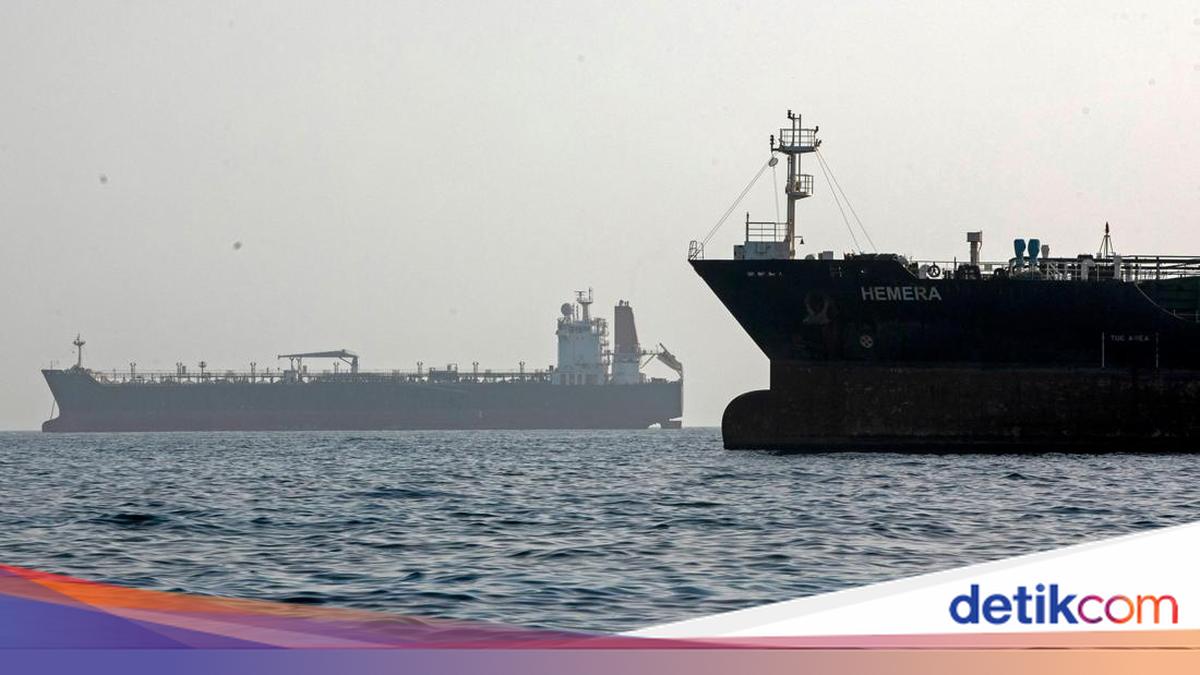
The United States struck a series of Iranian military sites over the weekend, and Tehran said it retaliated by targeting an air base used by American forces, an exchange that amounts to the third major escalation in a single week around the Strait of Hormuz and leaves a months-old ceasefire looking increasingly hollow.
US Central Command framed the operations as “defensive strikes” launched in response to “aggressive actions by Iran,” which it said included the shooting down of an American drone over international waters. Iran’s Islamic Revolutionary Guard Corps countered that it had hit an airfield from which US aircraft flew missions against southern Iran, without disclosing where that base is located.
Kuwait, a close security partner that hosts US troops, said its air defenses “confronted a hostile missile and drone attack” on Monday, giving no further details about where the interceptions took place. The state news agency KUNA reported that air raid sirens were heard across the country, a rare public alert for a Gulf state that has spent years trying to stay out of the line of fire.
Weekend strikes: Goruk, Qeshm and the drone threat
In a statement posted on X, CENTCOM said US fighter jets on Saturday and Sunday attacked Iranian radar installations and drone command and control facilities in Goruk, a town close to Iran’s southern coastline, and on Qeshm, an island that sits at the mouth of the Strait of Hormuz. According to the command, the aircraft struck Iranian military air defense systems, a ground control station and two drones that it said “presented a clear threat to ships transiting regional waters.” No American personnel were injured in the raids, the military said.
Both locations matter far beyond their size. Qeshm overlooks the shipping lanes through which tankers must pass, and Iranian radar coverage there feeds the coastal defense network that Tehran has long used to monitor and challenge foreign navies in the Gulf. Knocking out radar and drone control nodes is a classic opening move in any campaign to suppress an adversary’s ability to see and strike at sea.
Iran’s answer and a pointed warning
The IRGC said its forces targeted the air base that the United States had used to launch the strikes on its communications tower on Sirri Island, a small Gulf outpost roughly 65km from the Iranian coast. The choice of target was symbolic as much as tactical: Sirri sits near the shipping routes at the heart of the dispute, and Iran has repeatedly signaled that its communications and surveillance infrastructure is a red line.
A statement carried by the semi-official Fars news agency warned that Iran’s response would be “completely different” if what it calls US aggression is repeated. That phrasing is deliberately open ended, and it is the kind of language that keeps military planners across the region awake at night.
Kuwait finds itself in the crossfire
Kuwait’s military said on Monday that its air defenses had engaged hostile missiles and drones, without specifying where the interceptions occurred. The alert follows a pattern: Tehran targeted an air base in Kuwait the previous week in retaliation for an earlier round of US airstrikes, which Washington said were intended to stop Iranian vessels and missile units from laying mines in the waterway.
For Kuwait, the risk is structural. The country hosts a substantial American military presence, which makes it an obvious target in any exchange, yet it depends on open sea lanes and stable energy markets for its own prosperity. The same dynamic applies across the Gulf, where states that host US facilities must weigh security guarantees against the danger of becoming a battleground.
Trump tells critics to ‘sit back and relax’
President Donald Trump, in a post on Truth Social on Monday morning, urged his critics to “sit back and relax,” insisting that everything “will work out fine in the end.” He also said Iran “very much wants to reach a deal, and it will be a good deal for the US.”
The remarks suggest a White House that wants to project confidence while keeping military and diplomatic tracks running in parallel. That balancing act has become harder as each round of strikes produces a counterstrike, narrowing the space for the negotiations the president says are progressing.
Negotiations stall as the terms shift
The latest violence follows a weekend in which talks aimed at ending the months-long war failed to make headway. US media reported that Trump asked for changes to the terms of an agreement, with CBS News, the BBC’s US partner, reporting that the revisions concern the shipping corridor through the Strait of Hormuz and the removal of highly enriched uranium. The White House did not respond to requests for comment.
Iran’s chief negotiator said on Sunday that Tehran would not sign any deal unless Iran’s rights are fully guaranteed, a formulation that leaves little room for the kind of compromises Washington is reportedly seeking. Trump and his senior advisers met on Friday to make a “final decision” on a framework for extending the ceasefire, but the meeting ended without clarity on next steps, and reports of the president’s requested changes emerged afterwards.
The terms under discussion include a 60 day halt to the violence, a call to reopen the Strait of Hormuz and a framework for restarting negotiations over Iran’s nuclear program, according to CBS News.
A ceasefire in name, not in practice
A truce took effect on 8 April, and Trump has repeatedly said the two sides are moving closer to a permanent settlement. No formal agreement has been reached, and the exchanges of fire have continued, testing the definition of what a ceasefire actually means when radar sites and drone control stations remain fair targets.
Analysts note that limited strikes are designed to signal resolve without triggering a full war, but each cycle carries the risk of miscalculation, particularly when drones, missiles and fast attack craft operate in crowded sea lanes.
Oil, gas and the global price tag
Roughly one fifth of the world’s oil and liquefied natural gas normally moves through the Gulf waterways, and the de facto trade embargo now in place has pushed fuel prices higher around the globe. Shipping insurers, refiners and importers from Asia to Europe are already pricing in the risk of disruption, and the longer the standoff lasts, the more that cost is passed on to consumers.
The same period has highlighted how quickly autonomous systems are reshaping both industry and conflict, from unmanned platforms patrolling contested waters to the kind of self-directed hardware demonstrated by a space construction robot working without human hands.
What to watch next
Three signals will matter in the coming days. First, whether Iran follows through on its promise of a “completely different” response, which would indicate a decision to escalate beyond calibrated retaliation. Second, whether Kuwait and other Gulf hosts of US bases face further attacks, which would widen a conflict that has so far been largely bilateral. Third, whether Washington’s revised terms reach Tehran in a form that its negotiators can accept, since the gap over enrichment and control of the Strait of Hormuz remains the core obstacle.
For now, both capitals appear to be betting that the other side will blink first. In the Gulf, that gamble is measured in tanker traffic, air raid sirens and the price of a barrel of crude.
Source Reference (news.detik.com): AS Serang Situs Radar Iran, Kuwait Hadapi Serangan Rudal-Drone
Frequently Asked Questions (FAQ)
What did the United States strike in Iran over the weekend?
CENTCOM said US fighter jets hit Iranian radar installations and drone command and control facilities in Goruk, near Iran's southern coast, and on Qeshm island in the Strait of Hormuz, including air defense systems, a ground control station and two drones. No US personnel were injured.
How did Iran respond to the US strikes?
The Islamic Revolutionary Guard Corps said it targeted an air base used by US forces to launch the raids on its communications tower on Sirri Island, roughly 65km from Iran's southern coastline. It warned its response would be "completely different" if further attacks occur.
Why did Kuwait activate its air defenses?
Kuwait's military said its air defenses confronted a hostile missile and drone attack on Monday, without giving locations. KUNA reported air raid sirens across the country. Kuwait hosts US military personnel and was targeted by Iran the previous week as well.
What is the status of the ceasefire and negotiations?
A truce took effect on 8 April, but no permanent agreement has been reached. Talks stalled over the weekend, and reports say Trump sought changes on the Strait of Hormuz corridor and the removal of highly enriched uranium. Proposed terms include a 60 day halt to violence and a framework for nuclear talks.
Why does the Strait of Hormuz matter to global markets?
About one fifth of global oil and liquefied natural gas normally passes through the Gulf waterway. The de facto trade embargo resulting from the conflict has pushed fuel prices up worldwide.