Why Marvel Waited Nearly a Decade for the Punisher
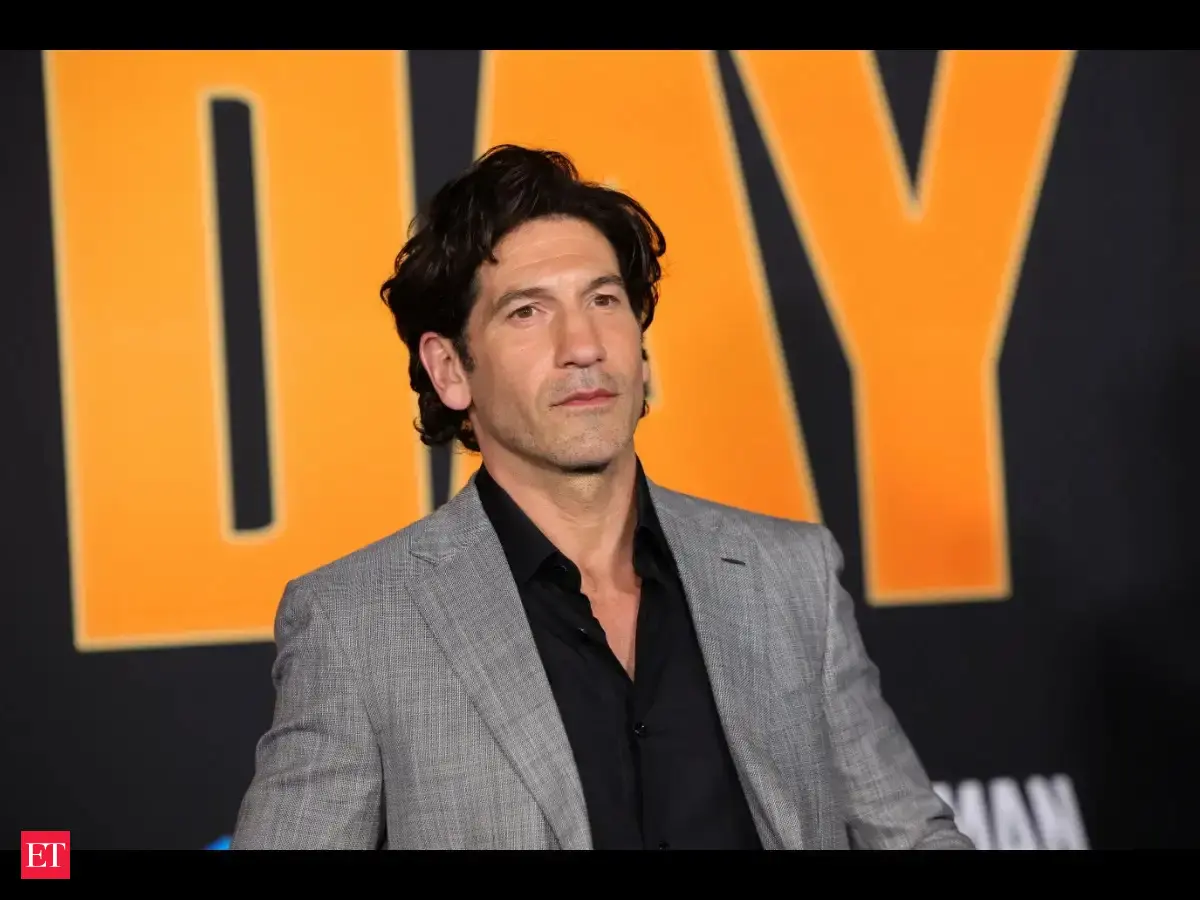
- A decade-long gap finally closes
- A Netflix era that ended early
- The corporate reshuffling that froze Frank Castle
- Bernthal’s terms: keep the grief, not just the gunfire
- The skull problem Marvel could not ignore
- Why a standalone special instead of a series
- What the return signals for Marvel’s street-level plans
A decade-long gap finally closes
Frank Castle is back, and the sheer length of his absence has become part of the story. Nearly ten years after Jon Bernthal first put on the skull vest for Netflix’s The Punisher, the actor is returning to the role in The Punisher: One Last Kill, a standalone Marvel special that he co-wrote. Reported by ET Online on November 6, 2026, the project ends one of the longest holds between a defining performance and its follow-up in modern comic book television.
The delay was never really about the star. Bernthal’s reading of Frank Castle, a Marine veteran hollowed out by the murder of his wife and children, connected with viewers almost from his first appearance. What kept the character in limbo was everything around him: a streaming platform that moved on, a studio whose ownership and priorities changed, and a protagonist whose lethal premise sits awkwardly beside a corporate brand built on family entertainment.
A Netflix era that ended early
Netflix opened its Marvel partnership with Daredevil in 2015 and built an interlocking set of street-level shows around it: Jessica Jones, Luke Cage, Iron Fist and the team-up miniseries The Defenders. Castle arrived through Daredevil‘s second season before headlining his own series in November 2017. A second season followed in January 2019, and within weeks, in February 2019, the streaming service cancelled the show along with the rest of its Marvel slate.
That cancellation left the story unresolved and, more importantly, left the character without a home. At the time, nobody involved could say with confidence where Frank Castle would legally and creatively belong next. The answer took years to assemble.
The corporate reshuffling that froze Frank Castle
The years that followed were defined by structural change rather than storytelling. Disney+ launched in late 2019, Marvel Television was folded into Marvel Studios, and the former Netflix library only migrated to Disney’s platform in 2022. Every one of those steps complicated a Punisher revival, because rights, branding and tone were suddenly subject to entirely new decision makers.
Marvel Studios also had to rebuild its street-level continuity from scratch. Charlie Cox was reintroduced as Daredevil and Vincent D’Onofrio returned as Kingpin, but Castle posed a harder question. A shared universe whose heroes mostly avoid killing has no obvious slot for a man whose defining trait is lethal force. Working out how to present him without diluting him absorbed years of internal debate.
Streaming platforms rarely publish the granular data that would settle arguments about which cancelled show still holds an audience, and interpreting the numbers that do surface is rarely straightforward, a problem familiar to anyone who has followed how Michigan counts its votes. Fan enthusiasm online does not automatically translate into a greenlight, and executives spent much of that period trying to read demand that was loud but difficult to quantify.
Bernthal’s terms: keep the grief, not just the gunfire
If the studio had questions, so did the actor. Bernthal has consistently argued that Castle only works when the trauma underneath the violence is treated seriously, that the character is a study in grief, post-traumatic stress and the moral ruin of vengeance rather than an action figure with a high body count. According to the reporting, he stressed that any return had to preserve Frank’s emotional depth.
That was not a small condition, because it cut against the easiest version of the character, the one marketed as pure escalation. Bernthal also had leverage. In the intervening years he built a substantial career outside Marvel, including The Walking Dead, Wind River, Ford v Ferrari and The Bear. He did not need the Punisher to stay employed, which meant he could walk away from any pitch that felt like a cash grab.
The skull problem Marvel could not ignore
There was a second obstacle that had nothing to do with scripts. The Punisher’s skull emblem had been adopted by police officers, soldiers and, in some cases, extremist groups, dragging a comic book logo into real-world political fights. Bernthal himself publicly objected to the appropriation, saying he found the misuse of the symbol disturbing and arguing that the iconography needed to be reconsidered.
For a company selling a family-friendly streaming service, that controversy was a practical liability. Any relaunch had to grapple with the visual identity of the character, the level of violence the platform would tolerate, and the risk of headlines that had nothing to do with the quality of the show. Those are exactly the kinds of issues that push projects to the bottom of a release calendar.
Why a standalone special instead of a series
The eventual solution was a change of format. Rather than commissioning another multi-season drama, Marvel developed The Punisher: One Last Kill as a standalone special, a self-contained, feature-length piece with Bernthal credited as co-writer. The approach mirrors earlier one-off presentations that allowed the studio to tell a complete story without committing to years of continuity.
The logic is easy to follow. A special carries prestige framing, a shorter production schedule and far less scheduling risk for a lead actor in demand elsewhere. It also lets Bernthal shape the voice of the character directly, which addresses his central concern about protecting Frank’s interior life. There is precedent for patience paying off in entertainment: in music, Billy Strings collected a fifth Entertainer of the Year award at the IBMAs after years of relentless touring rather than a single breakout moment.
What the return signals for Marvel’s street-level plans
Castle’s comeback matters beyond one special. It completes an unlikely restoration project in which the former Netflix roster has been gradually folded into the larger franchise, and it opens the door to crossovers that were impossible while the character was dormant. A Punisher who exists in the same world as Daredevil and Kingpin gives Marvel a far darker corner of its universe to work with.
It also tests an old assumption about audience memory. Nearly a decade is an eternity in streaming, long enough for a generation of viewers to meet the character for the first time through clips and recommendations rather than the original run. If One Last Kill lands, it will prove that a well-executed performance can outlast the corporate decisions that shelved it. If it does not, the lesson will be that some gaps are simply too wide to close.
For Bernthal, the calculation is simpler. He spent years insisting that Frank Castle is a tragedy rather than a power fantasy. The special is his chance to prove it with the cameras rolling.
Source Reference (economictimes.indiatimes.com): The Punisher took nearly 10 years to return, but why did Marvel have to wait so long to bring Jon Bernthal back as Frank Castle?
Frequently Asked Questions (FAQ)
Is Jon Bernthal returning as the Punisher?
Yes. Bernthal returns as Frank Castle in The Punisher: One Last Kill, a standalone Marvel special that he co-wrote, as reported by ET Online on November 6, 2026.
Why did the Punisher take nearly ten years to come back?
The delay stemmed from Netflix cancelling the series in early 2019, followed by years of corporate restructuring, including the shift of Marvel's Netflix library to Disney+, alongside competing creative priorities and concerns about the character's tone and violence.
What happened to the original Netflix series?
The Punisher ran for two seasons, premiering in November 2017 and returning in January 2019, before Netflix cancelled it in February 2019 along with its other Marvel shows.
Is One Last Kill a series or a film?
It is a standalone special rather than a multi-season series, allowing a self-contained story to be told with Bernthal involved as co-writer.