Diddy’s Prison Release Date Pushed Back Six Weeks
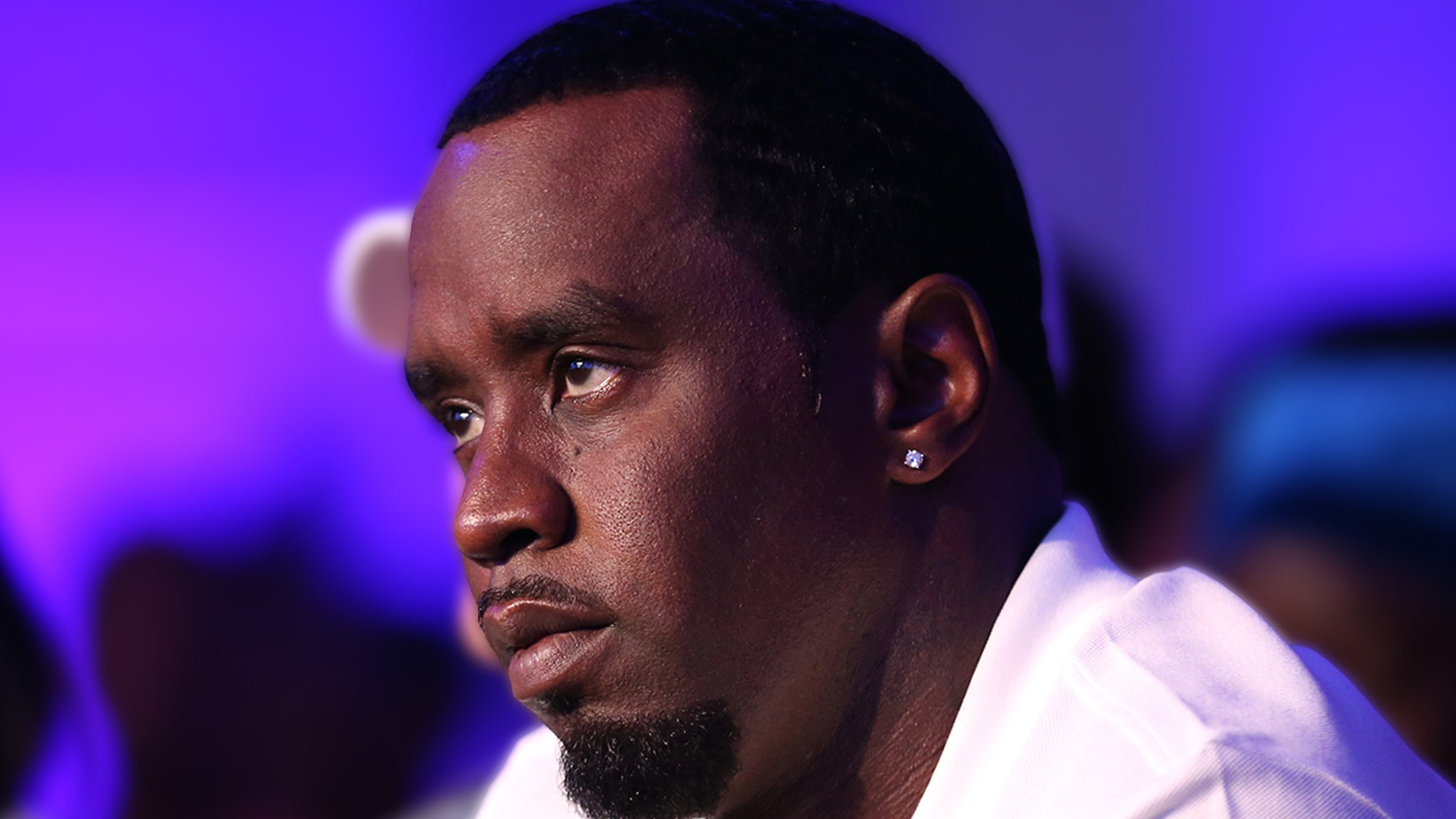
Sean Combs will spend six weeks longer in federal custody than his paperwork previously indicated. Bureau of Prisons records now list March 2, 2028 as his projected release date, a revision that pushes back the January 21, 2028 date that had been posted for the music and fashion mogul.
The updated figure was first reported by People, which noted the change in the agency’s public inmate locator. Dates inside that system are recalculated as sentencing computations, custody credits and other administrative factors are folded into an inmate’s file, so adjustments are not unusual. What makes this one noteworthy is the moment it surfaced, arriving shortly after a wave of reporting about how Combs is being housed and treated inside the federal system.
Even with the delay, Combs remains scheduled to leave custody ahead of the June 2028 date that once stood as the outer boundary of his term.
A Release Date That Has Never Stopped Moving
Combs’s projected release date has shifted more than once over the course of his incarceration, which is common for federal inmates whose files are periodically reviewed. The Bureau of Prisons does not typically explain individual date changes publicly, and no detailed explanation accompanied this one.
The movement of roughly six weeks is small in the context of a multi-year term, but the calendar matters enormously to a defendant whose freedom has been the central question since his arrest. For supporters tracking the case in real time, an inmate locator entry is often the only official signal available, which means even modest revisions draw outsized attention.
Allegations of Privileges Behind Bars
The timing of the change has not gone unnoticed, because it follows reporting about Combs’s conditions at FCI Fort Dix, the low-security federal prison in Burlington County, New Jersey, where he has been held. An NBC News report alleged that he had access to a contraband cellphone and alcohol while incarcerated, and that he was paying other inmates to provide massages, cook elaborate meals and handle chores on his behalf.
In the aftermath of that report, Combs was moved back into solitary confinement, a restrictive housing assignment that sharply limits contact with the general prison population. People subsequently reported that he remained in that segregated status at the time the new release date became public. Federal officials have not laid out the specific reasons behind his housing assignment, and prison administrators generally do not discuss the custody classifications of individual inmates.
What Restrictive Housing Actually Means
Solitary confinement in the federal system is not a single uniform experience. Inmates placed in restrictive housing can be held there for administrative reasons, for disciplinary reasons, or as a protective measure, and the conditions, including permitted property, recreation time and visits, vary by facility and by classification level. For a high-profile inmate, the practical effect is often near-total separation from the people he would otherwise live among.
Similar questions about isolation, oversight and the treatment of notorious prisoners keep surfacing well beyond this case, including in disputes over death row confinement in Tennessee, where lawyers have fought publicly over how a client was being held and what the state disclosed about it.
The Conviction That Produced the Sentence
Combs is serving a 50-month sentence handed down after his 2025 conviction on two counts of transporting people across state lines for prostitution. He was acquitted of the more serious racketeering and sex trafficking charges, a split verdict that shaped both the length of the term and the intensity of the debate surrounding it.
That outcome sits at the center of everything that follows in the case’s procedural life. Had he been convicted on the racketeering count, the sentencing exposure would have looked dramatically different. Because he was not, the math of his term, including the credits that determine when the gates open, has become a subject of close public scrutiny. Every recalculation of his release date is effectively a small window into how the federal system finishes a sentence.
Reading the Calendar: What Six Weeks Changes, and What It Does Not
A six-week extension does not alter the structure of Combs’s sentence, his custody classification or the legal options available to him. It does, however, reset expectations for everyone following the case.
Release dates in the federal system are provisional by nature. They can move forward when good conduct time or other credits are applied, and they can move backward when credits are revoked or recalculated. The Bureau of Prisons updates its inmate locator as those determinations are made, which is why advocacy groups, journalists and family members treat the database as a living document rather than a fixed promise.
For Combs, the practical consequence is straightforward. His earliest realistic exit now sits at the start of March 2028 rather than the third week of January. For a man who spent much of his career controlling his own schedule, that is a meaningful distinction, and one he cannot negotiate.
The Wider Argument About Celebrity and Custody
Combs’s case has become a reference point in a broader argument about whether fame buys different treatment inside American prisons. Critics of the NBC News reporting contend that the allegations about paid massages, contraband electronics and alcohol reflect a celebrity exemption that ordinary inmates would never receive. Others point out that placement in solitary confinement is itself a harsh outcome, and that restrictive housing carries documented psychological costs regardless of who occupies the cell.
Both claims can be true at once, and that tension is exactly why the story keeps generating coverage. A wealthy, globally recognized figure can allegedly obtain comforts unavailable to most prisoners while simultaneously being isolated from the general population in conditions that draw condemnation from human rights advocates. The release date revision sits awkwardly between those two narratives, since it could reflect routine administrative recalculation or a disciplinary response, and the public record does not settle the question.
What Watchdogs Are Looking For
Transparency advocates have pressed the Bureau of Prisons for years to explain how custody decisions are made for high-profile inmates, arguing that silence fuels speculation in both directions. In this instance, the agency has confirmed nothing beyond what its own database displays. That gap between what is publicly known and what is publicly assumed is likely to persist until either additional reporting emerges or Combs’s housing status changes again.
What Comes Next
Combs will remain at FCI Fort Dix, or wherever the Bureau of Prisons next assigns him, while the calendar runs toward March 2028. His team has continued to contest elements of the case through the courts, and any appellate developments could influence his schedule further, though nothing pending has been publicly described as altering the current date.
For now, the only concrete change is a number in a federal database: March 2, 2028 instead of January 21, 2028. Small on paper, significant in practice, and arriving at a moment when scrutiny of how this particular inmate lives behind bars has rarely been higher.
Source Reference (tmz.com): Diddy Prison Date Pushed Back After Pampered Prison Life Claims
Frequently Asked Questions (FAQ)
What is Diddy's new release date?
Federal Bureau of Prisons records now list March 2, 2028 as Sean Combs's projected release date. It replaces the January 21, 2028 date previously posted, a delay of roughly six weeks.
Why was the release date pushed back?
The Bureau of Prisons recalculates projected release dates as sentencing computations and custody credits are updated. No detailed public explanation was given, but the change came shortly after reporting alleged that Combs received special treatment at FCI Fort Dix.
Why is Diddy in solitary confinement?
Reporting indicated he was returned to restrictive housing after an NBC News report alleged he had access to a contraband cellphone and alcohol and paid other inmates for massages, meals and chores. People reported he remained in solitary confinement when the new release date emerged.
How long is Diddy's prison sentence?
He is serving a 50-month sentence following his 2025 conviction on two counts of transporting people across state lines for prostitution. He was acquitted of the more serious racketeering and sex trafficking charges.
Will he still be released before June 2028?
Yes. Despite the six-week delay, the March 2, 2028 date still falls before the June 2028 figure that was originally listed as his release date.
{“@context”:”https://schema.org”,”@type”:”FAQPage”,”mainEntity”:[{“@type”:”Question”,”name”:”What is Diddy’s new release date?”,”acceptedAnswer”:{“@type”:”Answer”,”text”:”Federal Bureau of Prisons records now list March 2, 2028 as Sean Combs’s projected release date. It replaces the January 21, 2028 date previously posted, a delay of roughly six weeks.”}},{“@type”:”Question”,”name”:”Why was the release date pushed back?”,”acceptedAnswer”:{“@type”:”Answer”,”text”:”The Bureau of Prisons recalculates projected release dates as sentencing computations and custody credits are updated. No detailed public explanation was given, but the change came shortly after reporting alleged that Combs received special treatment at FCI Fort Dix.”}},{“@type”:”Question”,”name”:”Why is Diddy in solitary confinement?”,”acceptedAnswer”:{“@type”:”Answer”,”text”:”Reporting indicated he was returned to restrictive housing after an NBC News report alleged he had access to a contraband cellphone and alcohol and paid other inmates for massages, meals and chores. People reported he remained in solitary confinement when the new release date emerged.”}},{“@type”:”Question”,”name”:”How long is Diddy’s prison sentence?”,”acceptedAnswer”:{“@type”:”Answer”,”text”:”He is serving a 50-month sentence following his 2025 conviction on two counts of transporting people across state lines for prostitution. He was acquitted of the more serious racketeering and sex trafficking charges.”}},{“@type”:”Question”,”name”:”Will he still be released before June 2028?”,”acceptedAnswer”:{“@type”:”Answer”,”text”:”Yes. Despite the six-week delay, the March 2, 2028 date still falls before the June 2028 figure that was originally listed as his release date.”}}]}